When Life Gives You Lemons…

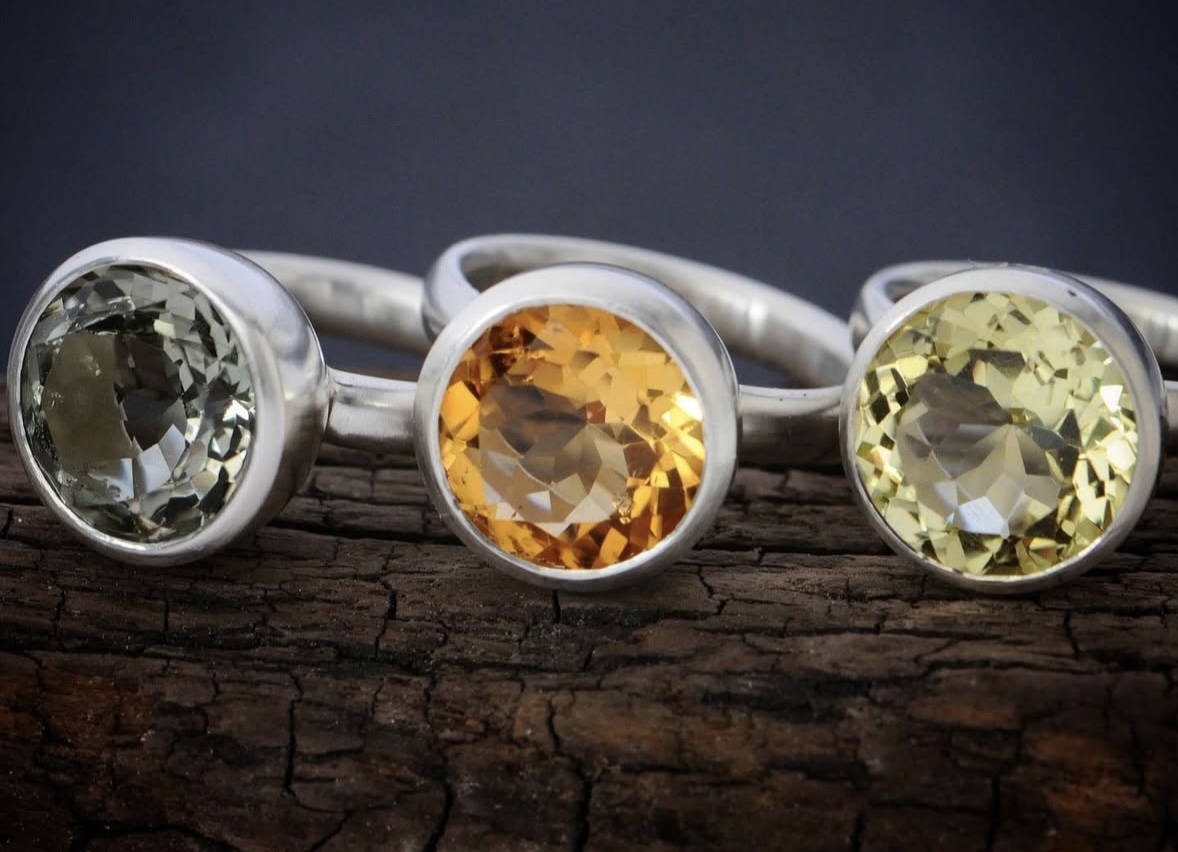
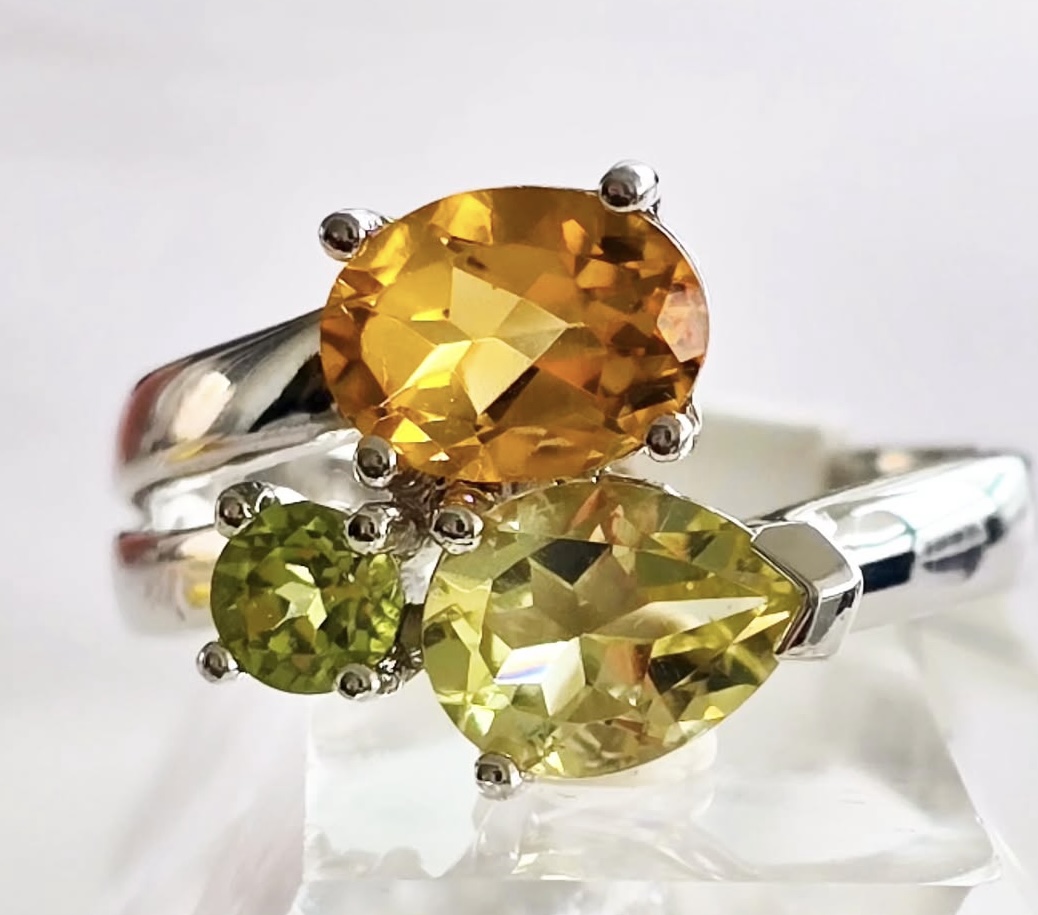
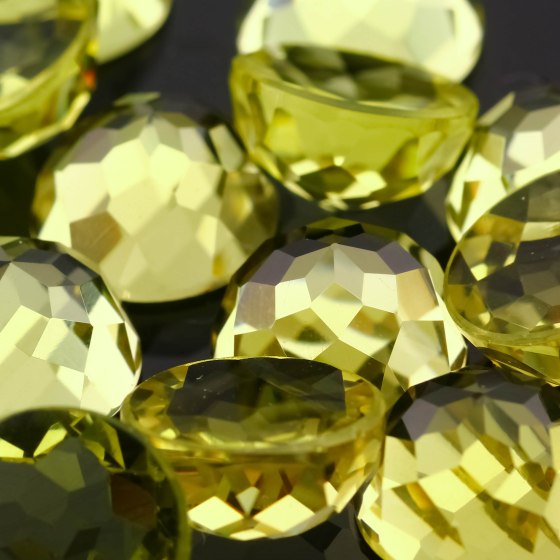
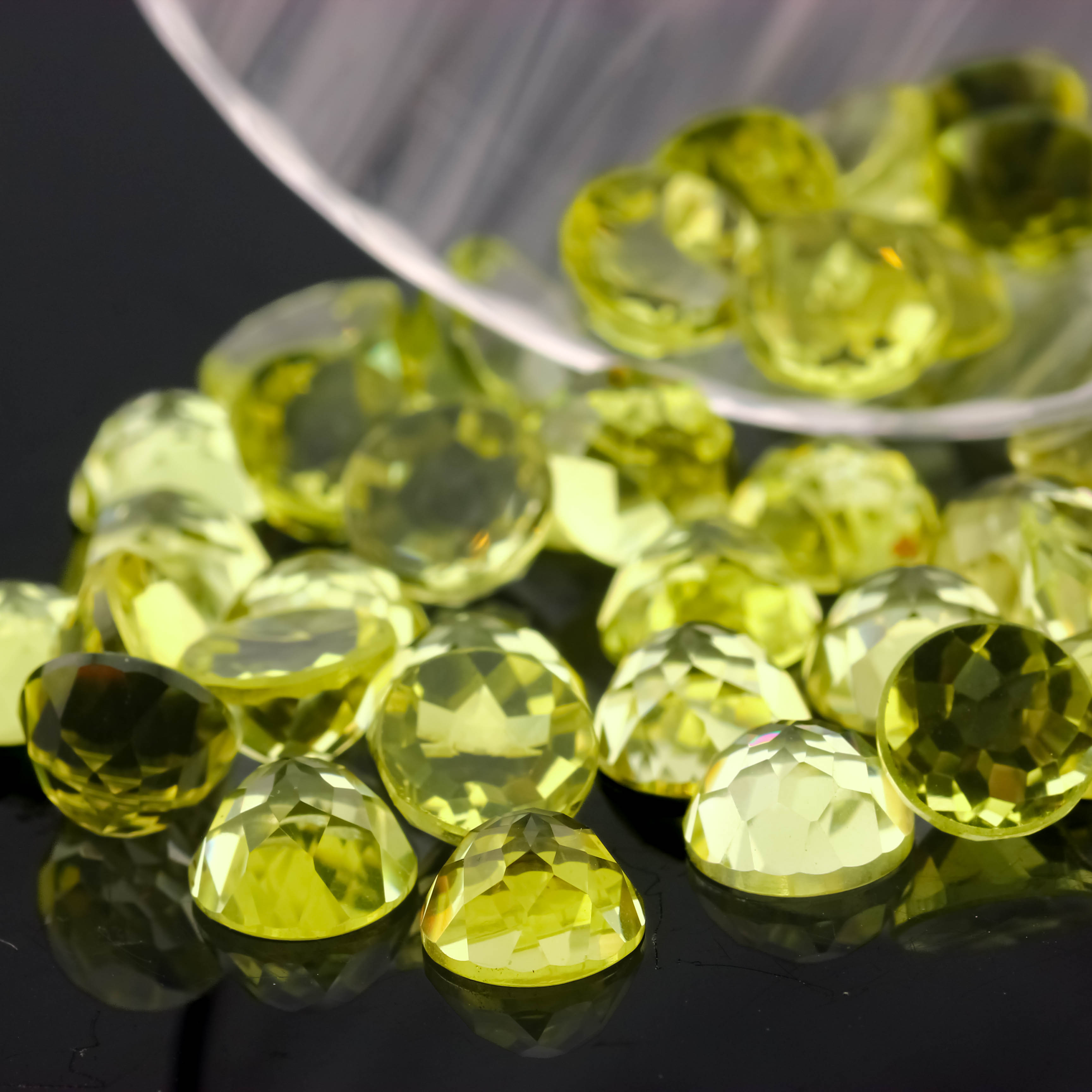
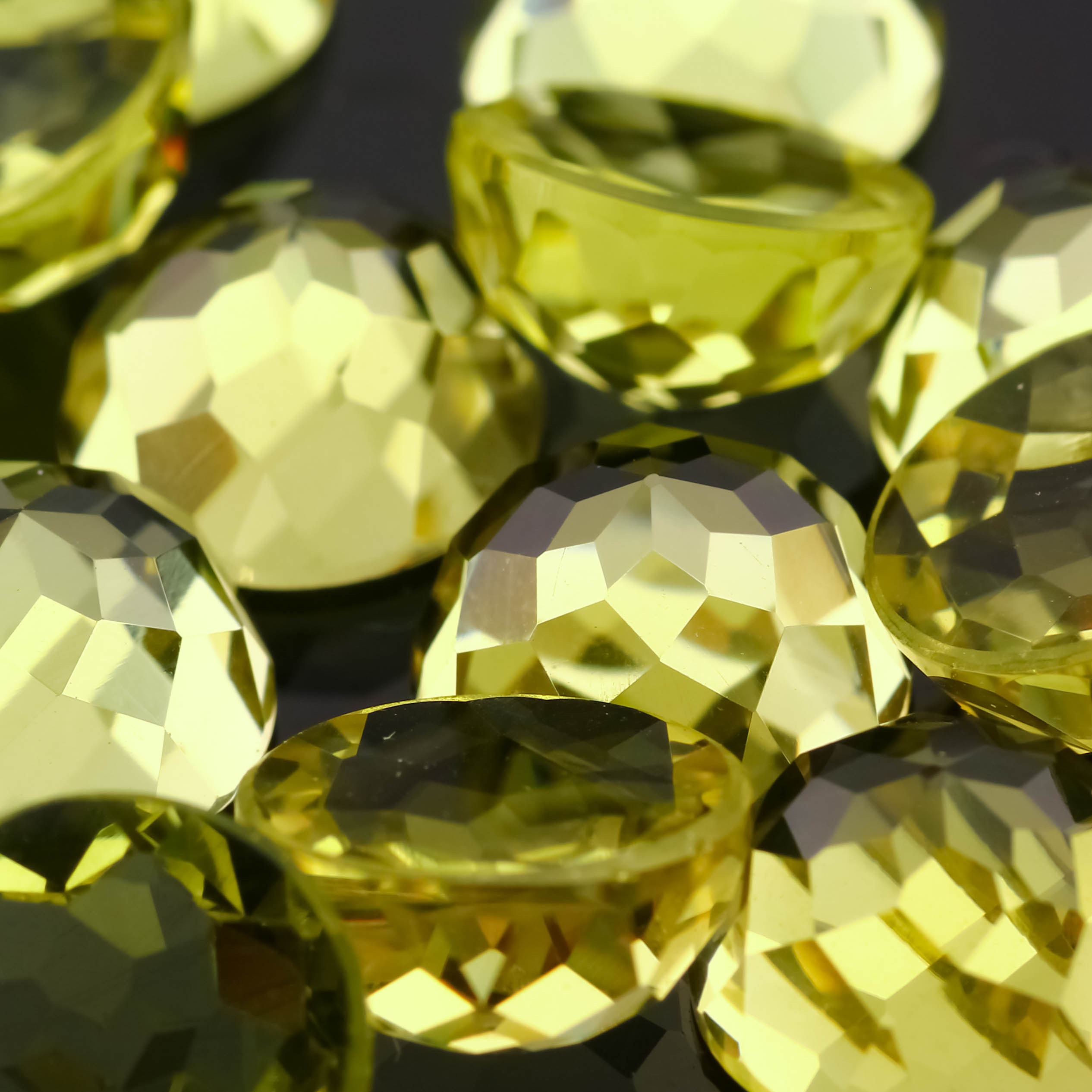
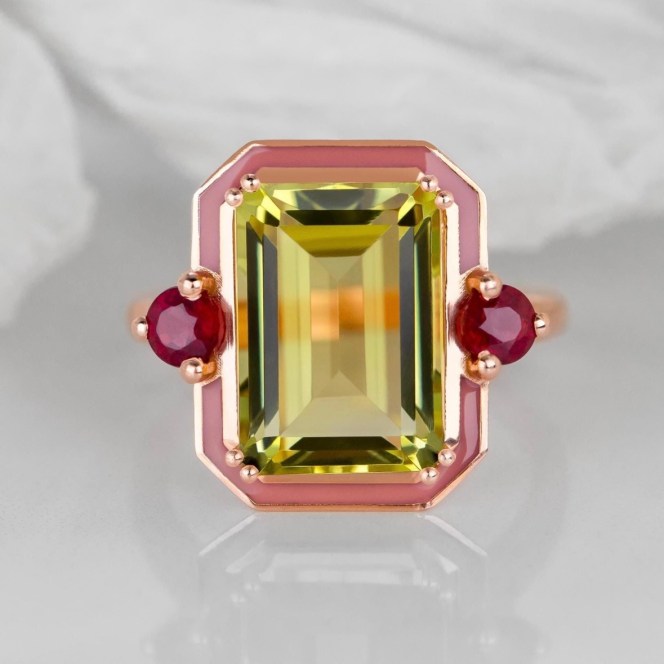
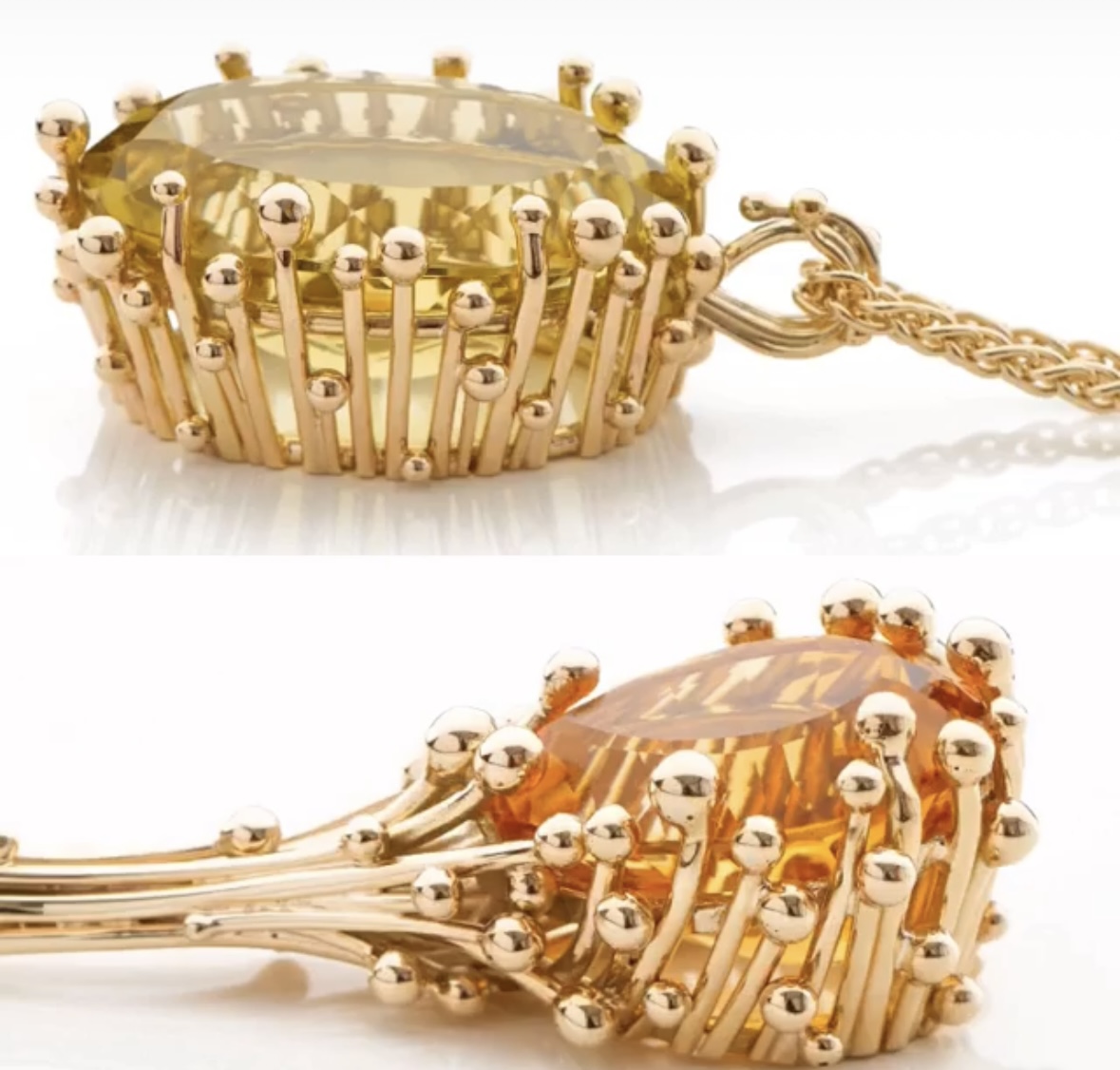
Quartz is one of the most ubiquitous gemstones; whether amethyst, citrine, rose, smoky or lemon, it’s plentiful and reasonably priced and you’re not going to have to part with a limb to buy it. It comes in so many different colours, including the fascinating and beautiful rutilated varieties. I want to talk a bit about lemon quartz, as it’s one of the family of treated quartzes and is a bit of an unsung hero. It’s a stone that cuts and polishes nicely and you can have it in pretty large sizes due to the relatively low carat price. Whiskey quartz, lemon quartz; nice lustrous stones in good sizes. Lemon quartz is irradiated with cobalt 60 gamma rays at very low dose (the stones aren’t glowing!) and then heated. The other thing that people aren’t generally aware of is that comes in different intensities of colour – and I don’t just mean that bigger stones are more saturated; you can get it from pale to much more intense yellow-green. My supplier tells me that people use it as a substitute for peridot, but I don’t think it’s that dark. It is on the same fresh, citric yellow-green spectrum, however. I used to sell mine – which is darker than standard lemon quartz – as green-gold quartz, to differentiate it, but it was too much of a differentiation, as people didn’t know what I was talking about and after I got asked a few times if I stocked lemon quartz, just changed the title! But it does have good saturation and is more of a yellow-green than pale yellow; I think you need it with a bit of saturation otherwise it looks a bit wan. The colour is more like a chrysoberyl and I think it really comes into its own when it’s mixed with other gemstones. I love the combination with citrine, which you would think would be a clash; the warm gold and the cool lemon, but it works. I also absolutely love it with the ruby, and I never would have thought about pairing these two, but they look amazing. In fact, I think I do like this stone best when it’s warmed up with gold, or golden stones, as they just seem to make it glow.
You can browse my lemon quartz here

joopygems.com
Joopy Gems Prasiolite Rose Cut 10mm Round

Gem of the Week is White-Not-Quite (and definitely not green amethyst which isn’t a thing)

  • Joopy Gems Prasiolite Rose Cut 6mm Round
  • Joopy Gems Prasiolite Rose Cut 6mm Round
  • Joopy Gems Prasiolite Rose Cut 8mm Round
  • Joopy Gems Prasiolite Rose Cut 8mm Round
  • Joopy Gems Prasiolite Rose Cut 10mm Round
  • Joopy Gems Prasiolite Rose Cut 8mm Round
  • Joopy Gems Prasiolite Rose Cut 10mm Round
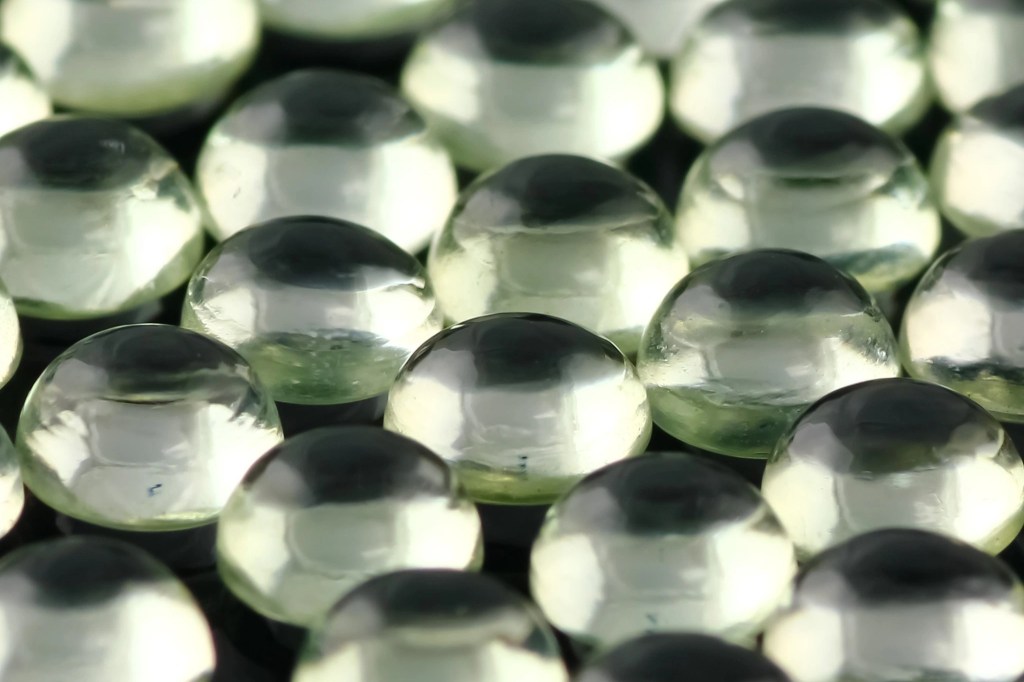
  • Joopy Gems Prasiolite Cabochon 4mm Round
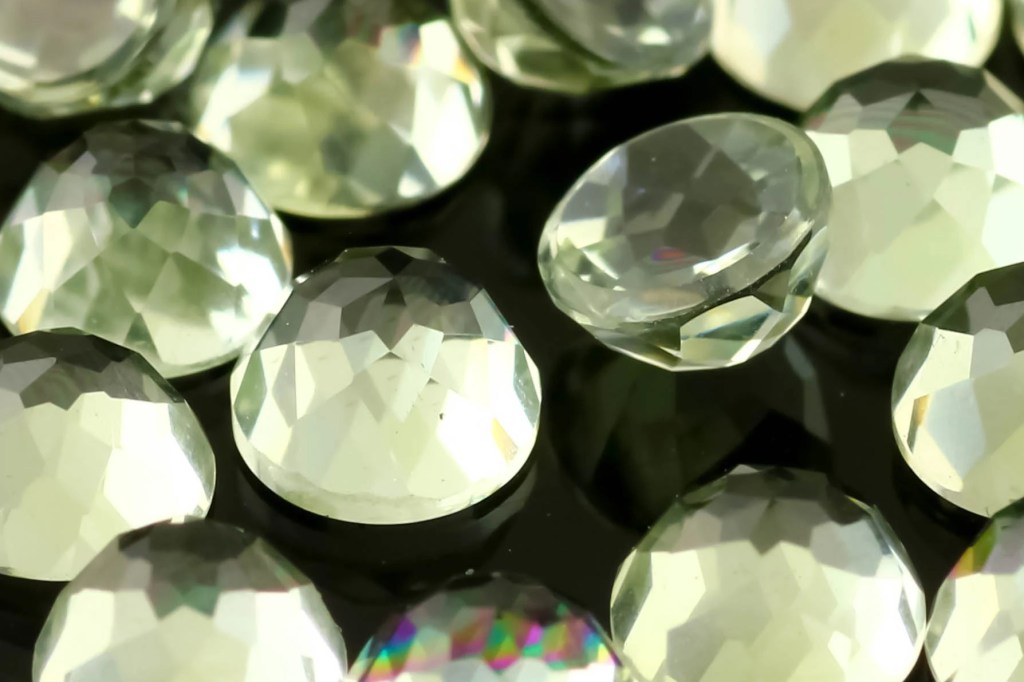
  • Joopy Gems Prasiolite Rose Cut 4mm Round

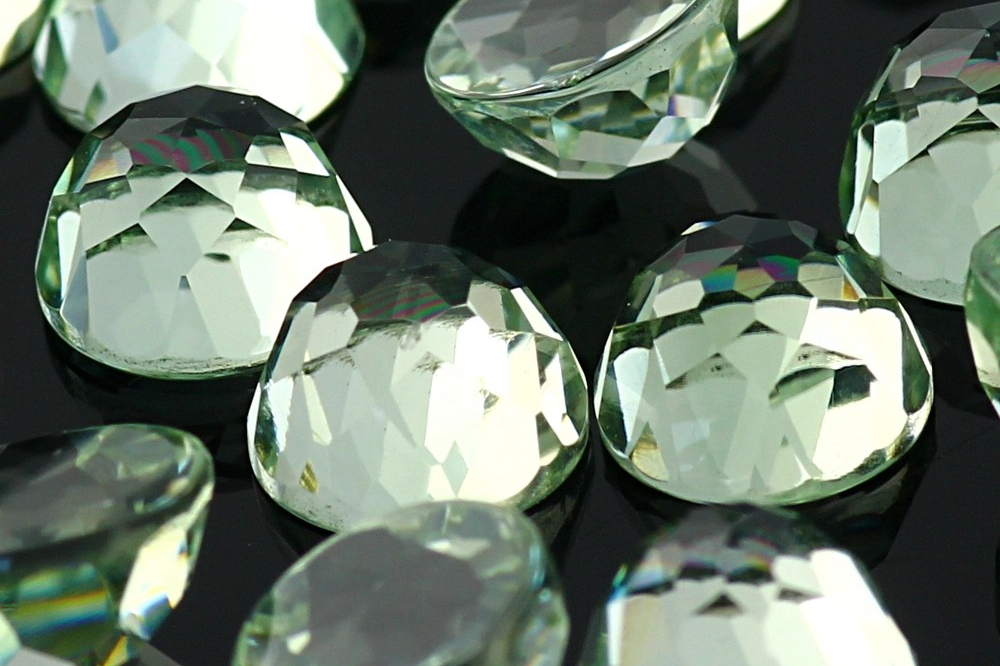
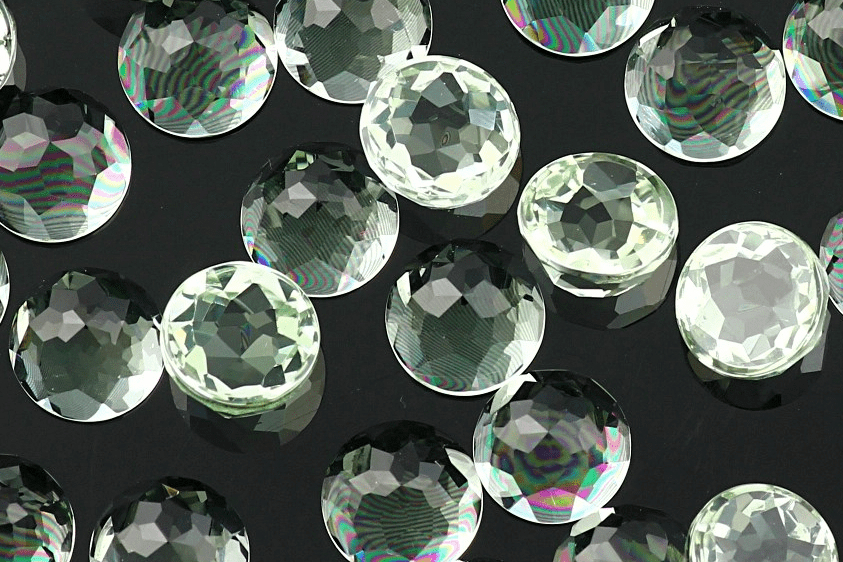
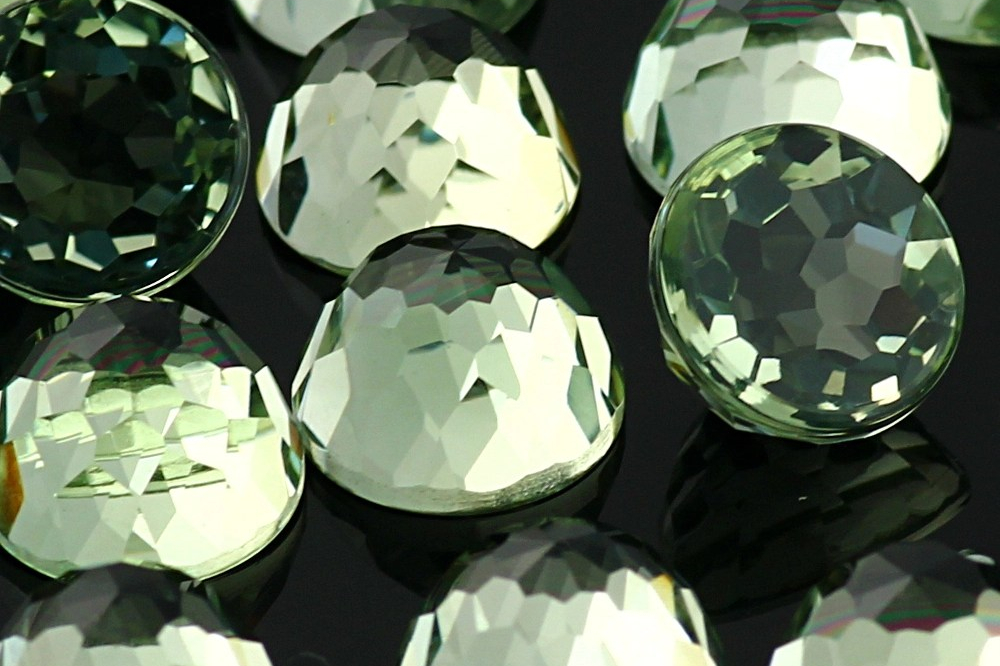
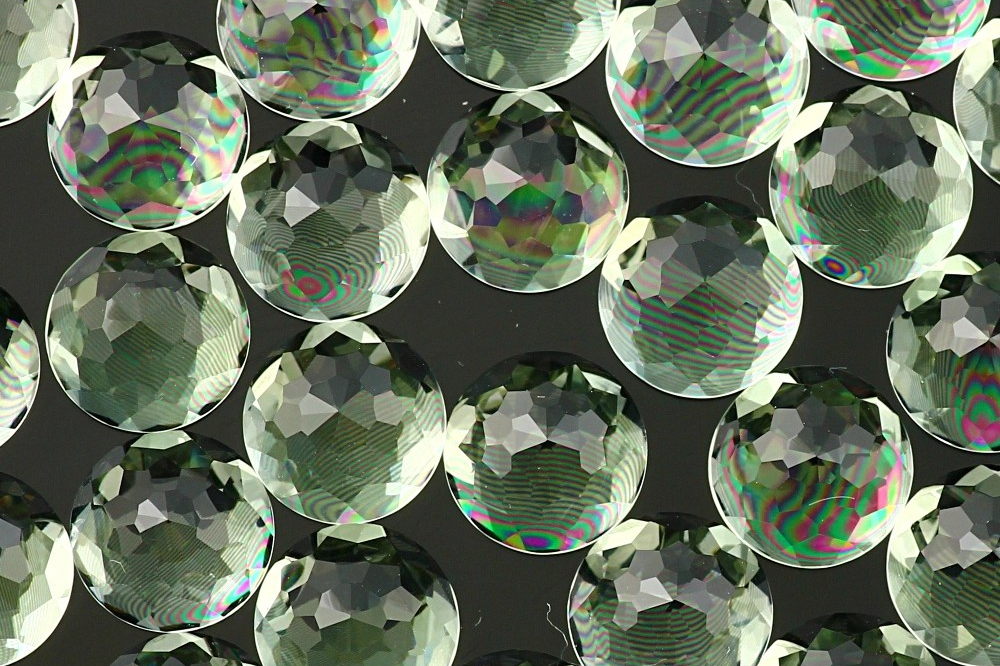
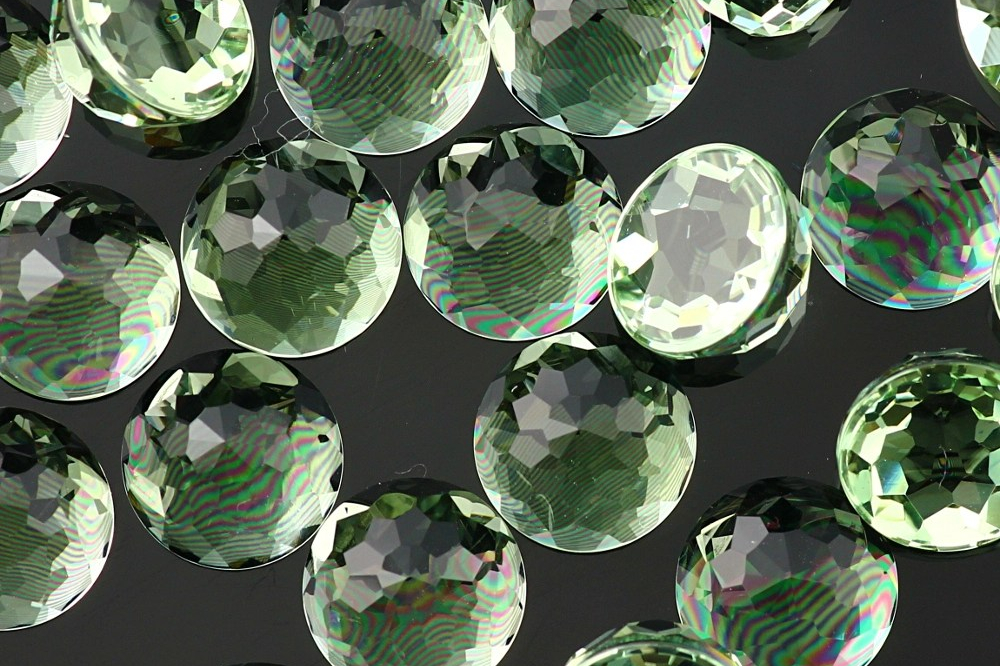
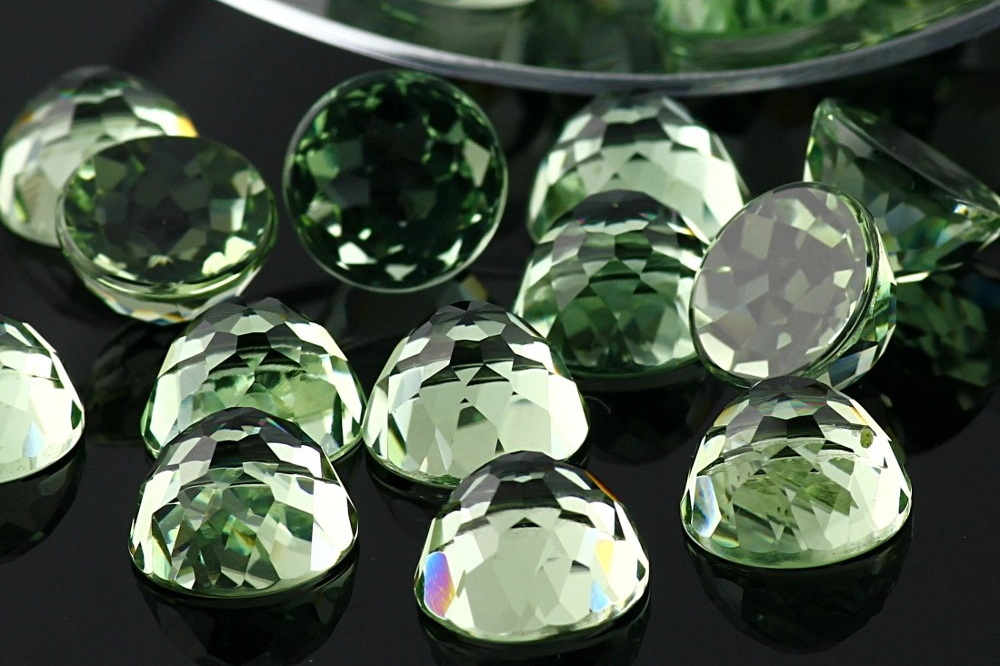
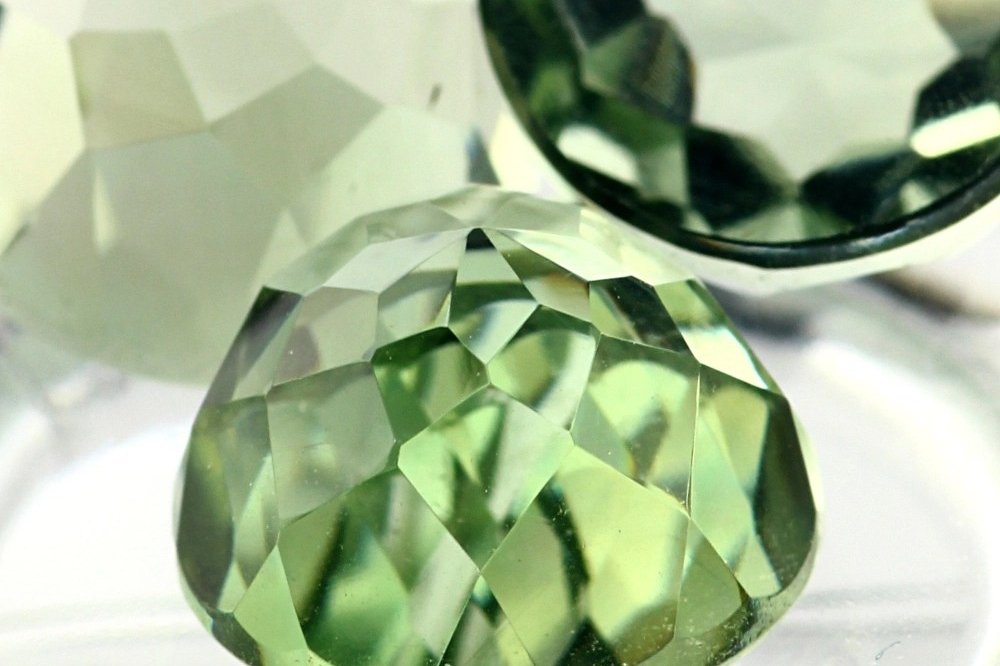
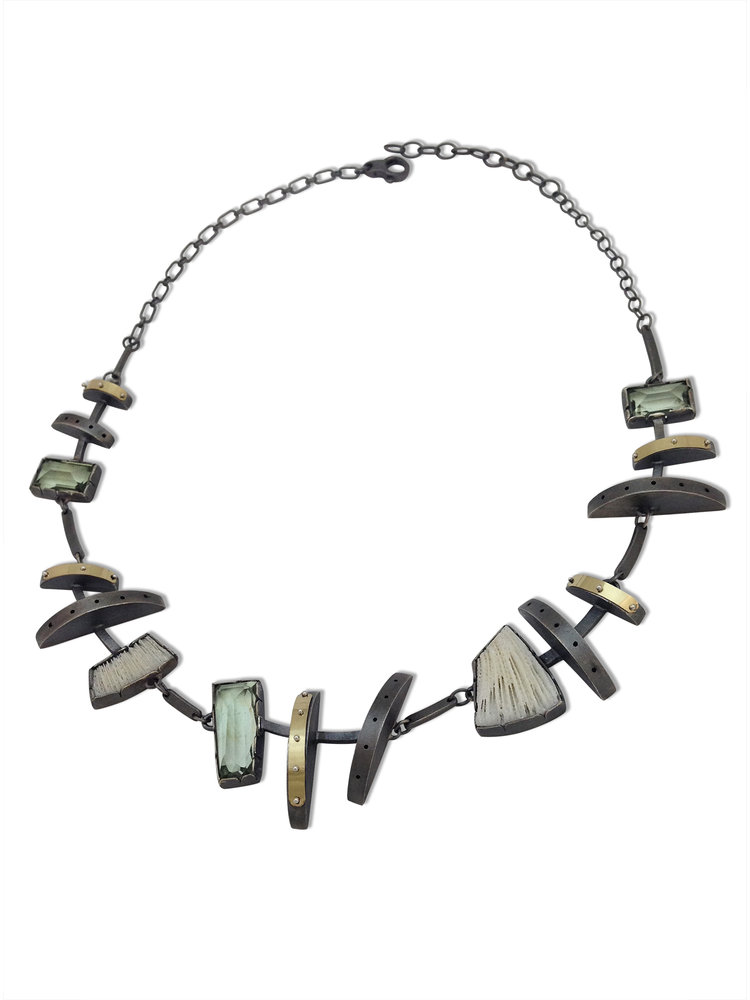
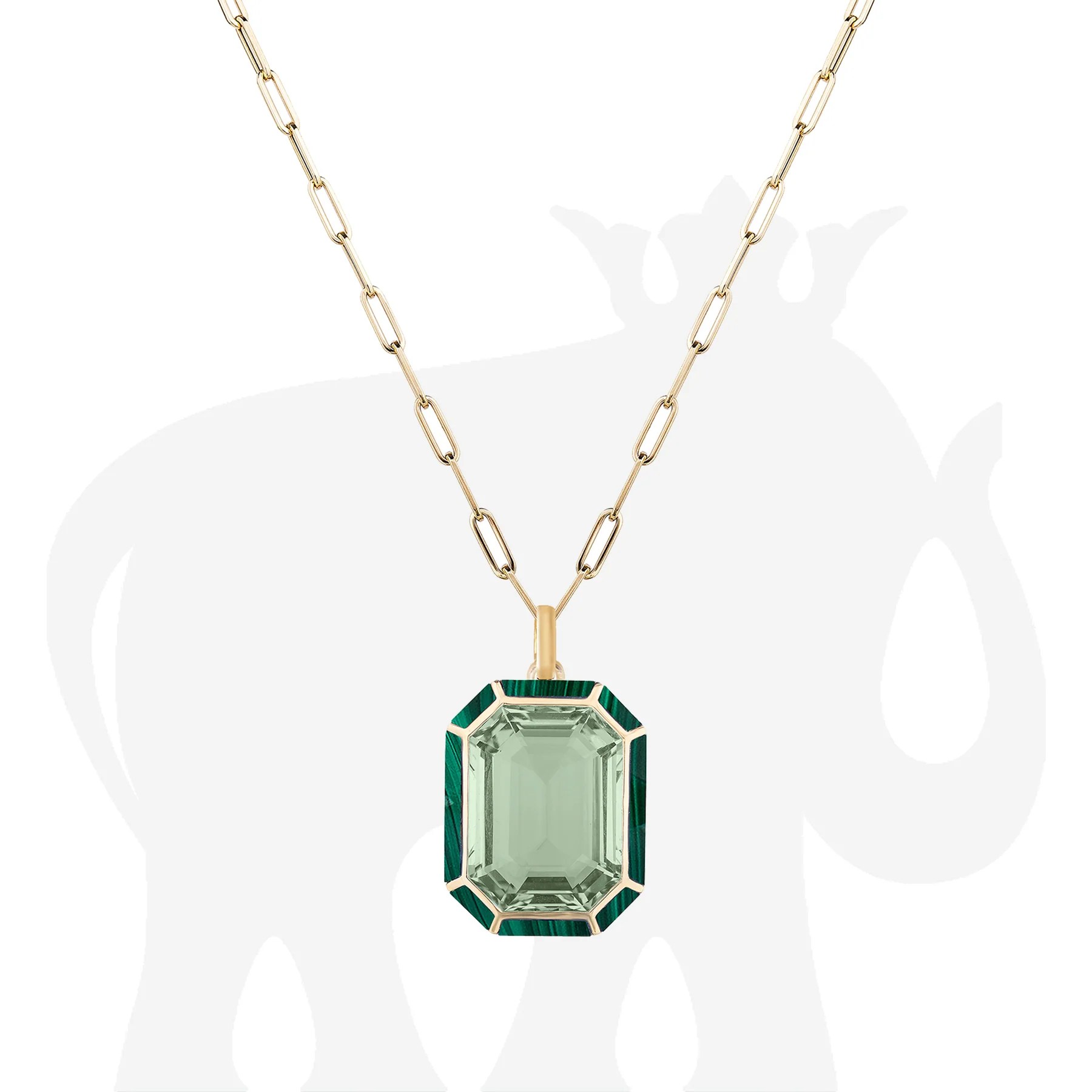
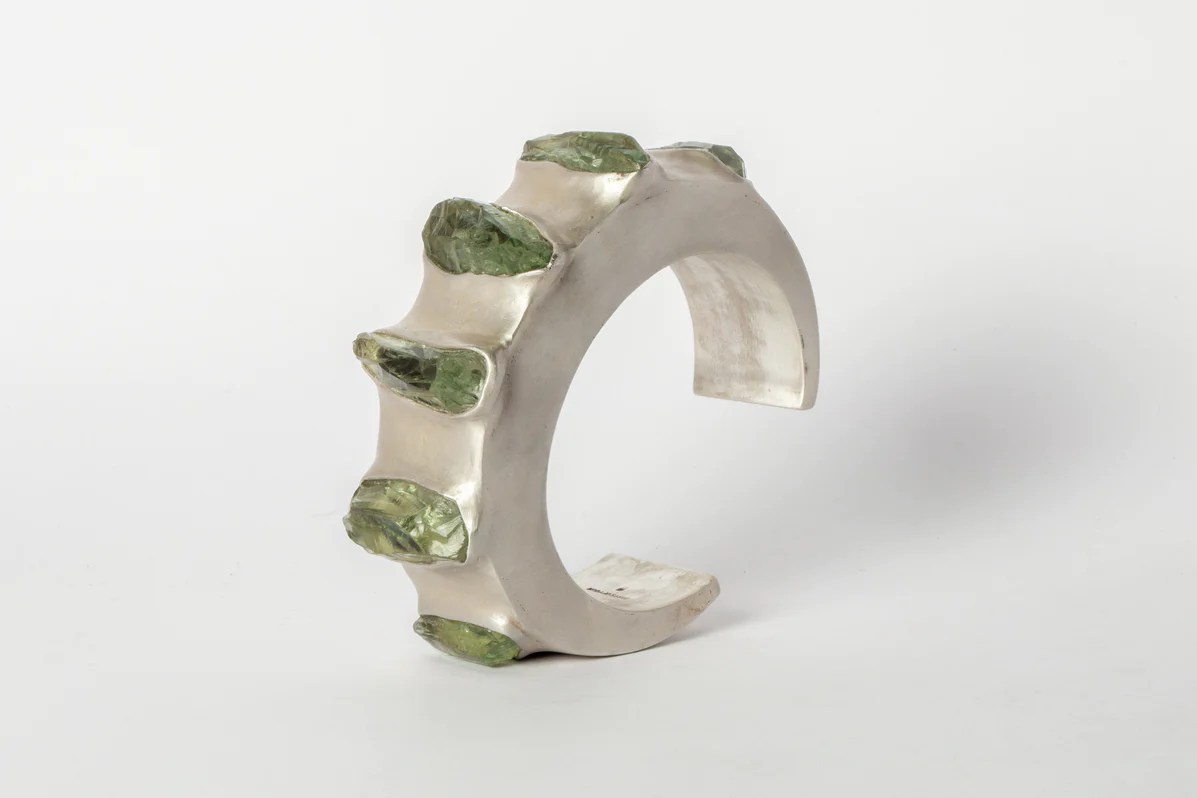
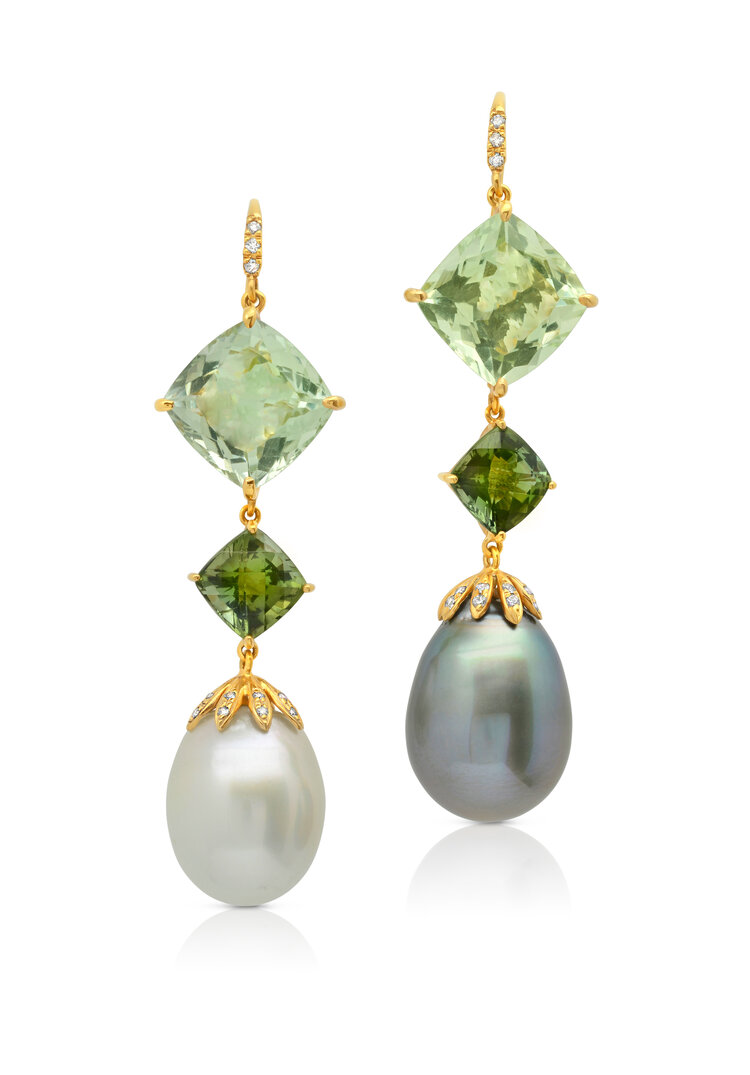
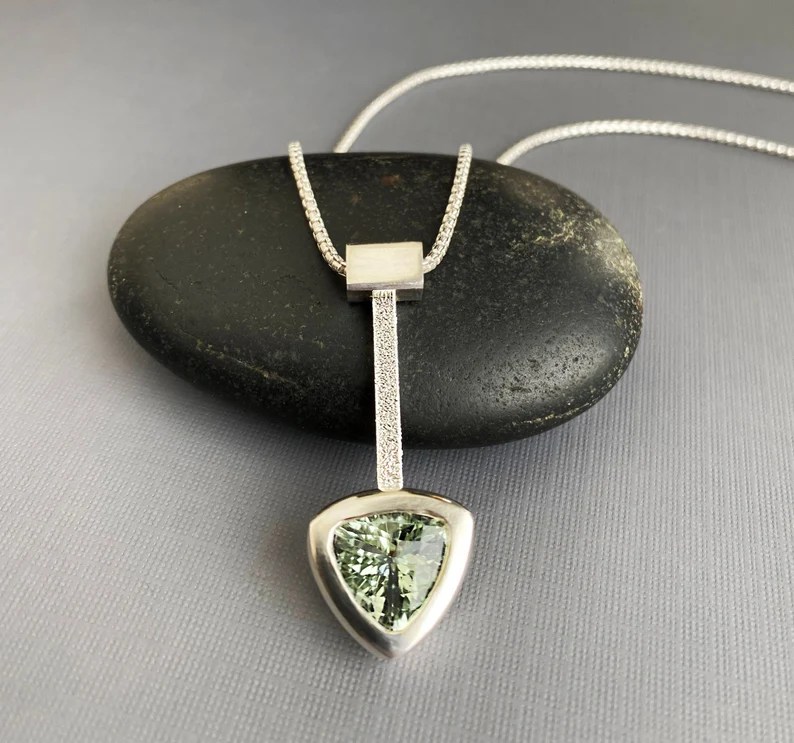
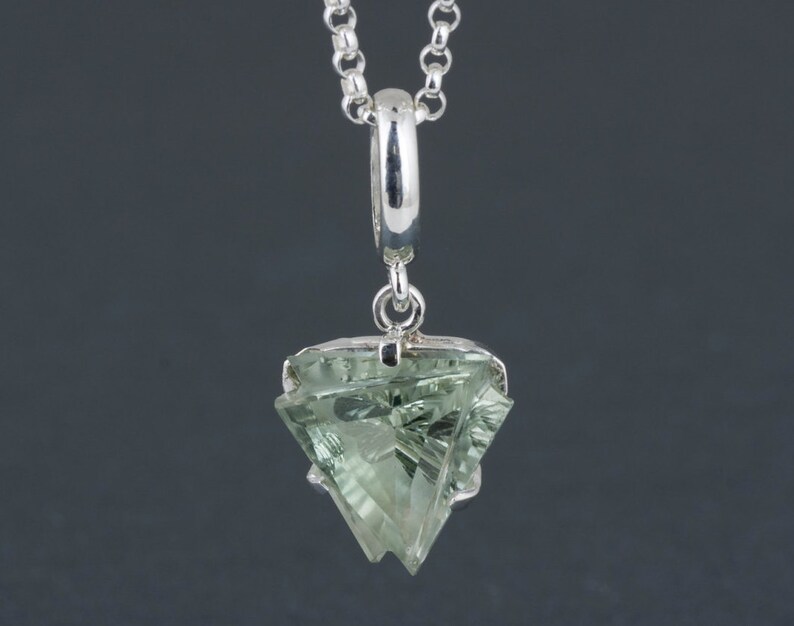
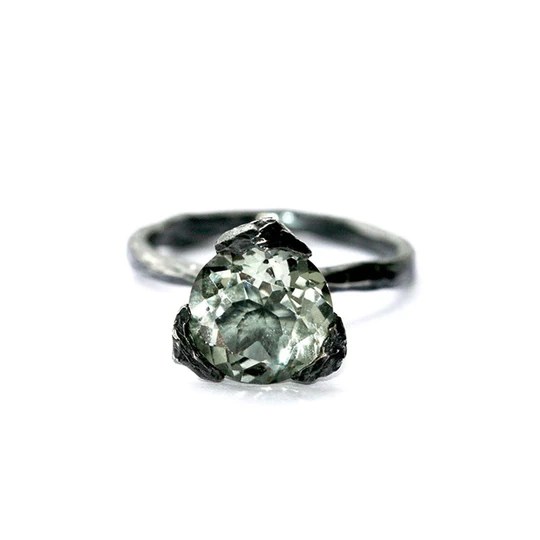
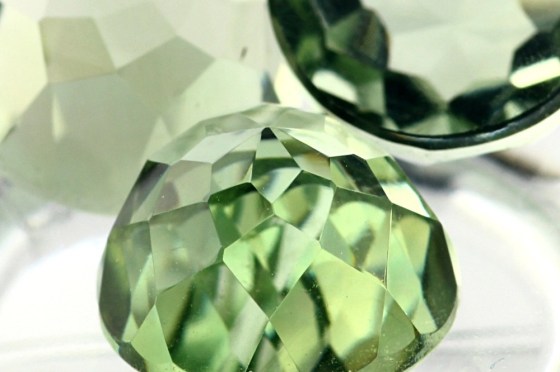
I have noticed a phenomenon over the years, whereby people tend to buy the same stone the same time. It’s not a trend thing and it can only be by chance, but it is noticeable. Like one week, everyone’s at the London Blue and the following week it’s citrine. This week it is the turn of pale, pretty, unassuming prasiolite. When I started out, this used to be called green amethyst, until the Federal Trade Commission called time on this practice, pointing out quite correctly that amethyst came in one colour: purple and so therefore it was a misleading and inaccurate name. So, hence, prasiolite became the name for this stone. Don’t tell anyone but I do sometimes put ‘green amethyst’ in brackets because I’m sure there are people out there who still have no idea what prasiolite is, and certainly you will see this name used a fair bit in the trade. You also sometimes see it referred to as green quartz. It is a particular thing; amethyst which has been heated, and not just any amethyst either. Only amethyst from certain locations will turn green on heating; from some mines in Brazil and a few other places. You can see this with the settings below, from the gorgeous architectural styles of Janine Decresenzo and Parts of Four to the malchite surround of the Goshwara pendant and the pairing of the Joon Han earrings with the yellowish green tourmaline.

It is, as I say, a rather unassuming stone, so it does deserve a bit of love. It has the splendid clarity you’d expect from quartz, and its colour varies from a light yellowish to bluish green. It can be very pale indeed and as it gets smaller, it gets consequently lighter. I don’t think of it as a centrepiece stone but I’ve seen it used in that way quite a lot recently and what’s great about it is that it is a bit of a chameleon stone – it tends to take on the colour of what it surrounding it, or the metal it is set in. Set it in silver, and it will bring out the cool, almost bluish tones; set it in yellow metal and it will appear more gold. Surround it with darker green to emphasize the colour, or purples and blues to make it look more blue. I like it set in oxidised silver; I think the black does a lot to bring out its colour, as in the Yoki Collections pendant and Hagerskan’s The Cone Ring.

To check out our selection of prasiolite stones, please click here. We have new stocks of 10mm rose cut coming in soon!

joopygems.com