When is Clarity not Clarity?

Clarity’s a simply enough concept, right? A stone is clean or not and it’s clarity is described in neat categories. Well, no, not really. Diamonds are one thing, with the scale running from Flawless to Included, but the similarly categorised scale for coloured gems is a bit more complicated. And if you think about it for one second, this makes perfect sense. Because with diamonds, clarity is a huge value-factor. It has to be accurate, reliable and valid. It has to be able to be taught so that everyone grading the stones is doing roughly the same thing. But coloured stones are different, and one of the biggest ways they differ is in terms of their clarity types. This is a system of classification developed by the GIA to describe the way in which some stones, above and beyond the level of clarity of an individual stone, are basically more included than others. It divides stones into 3 types, and each clarity grade means something different for each type. It goes like this:

Type I Stones:
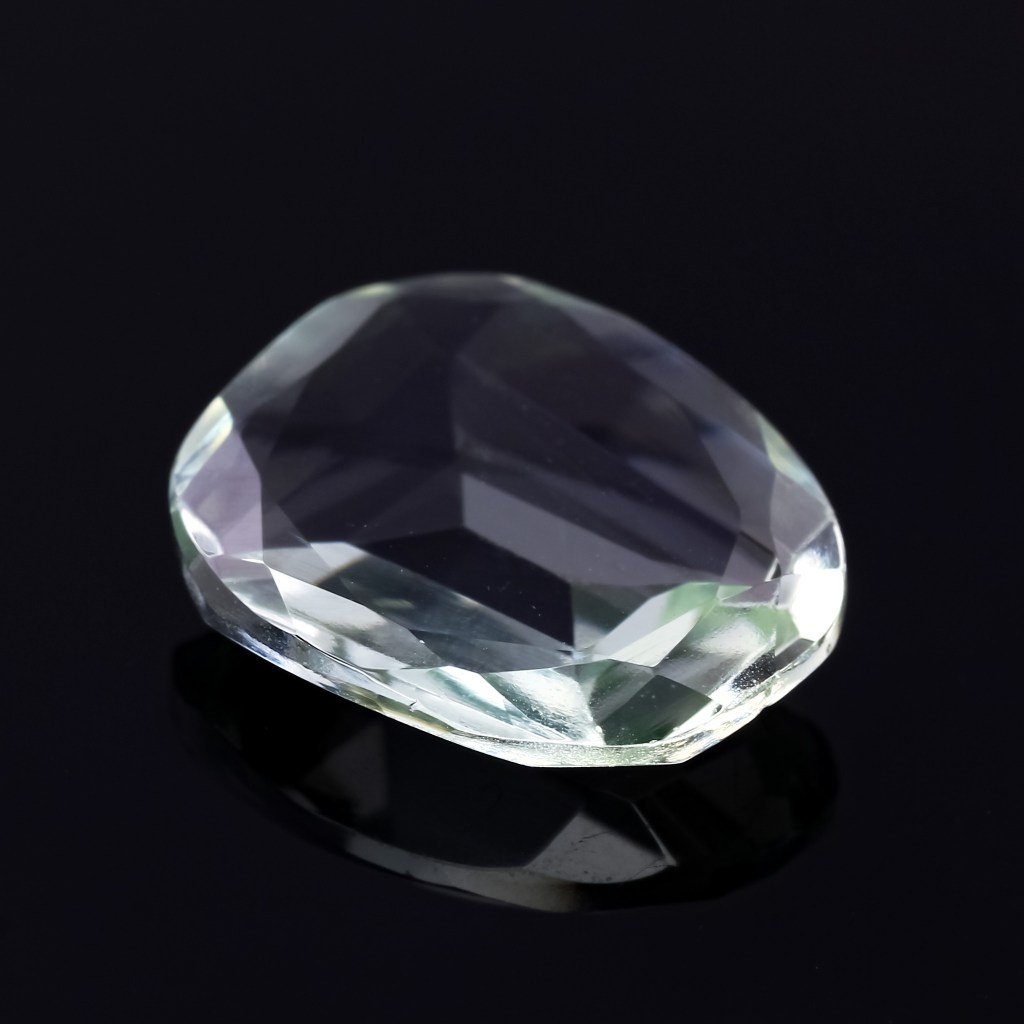
Stones that are usually eye-clean. For example, aquamarine, chrysoberyl, smoky quartz and blue zircon (there are others). These are stones that it’s not hard to find in clean quality, and for these, a VS stone means an eye-clean stone with inclusions that can be seen under 10x magnification.

Type II Stones:
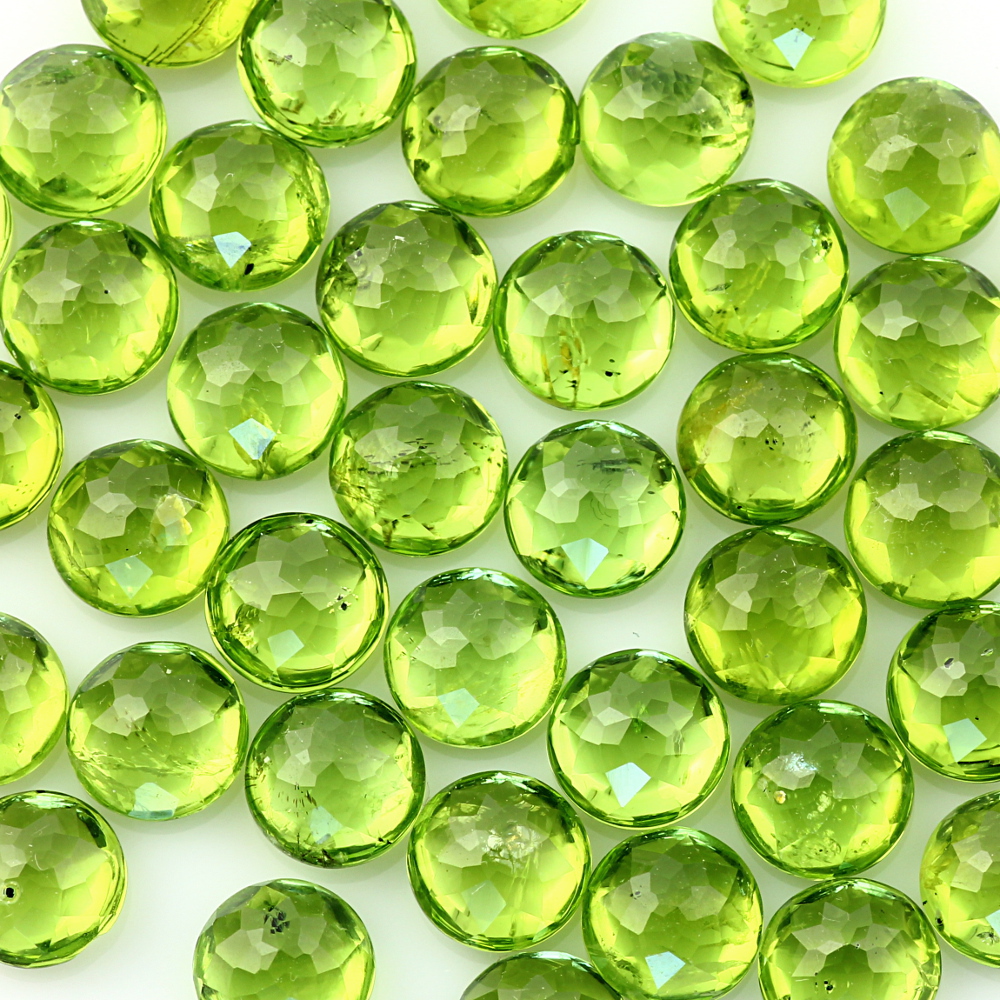
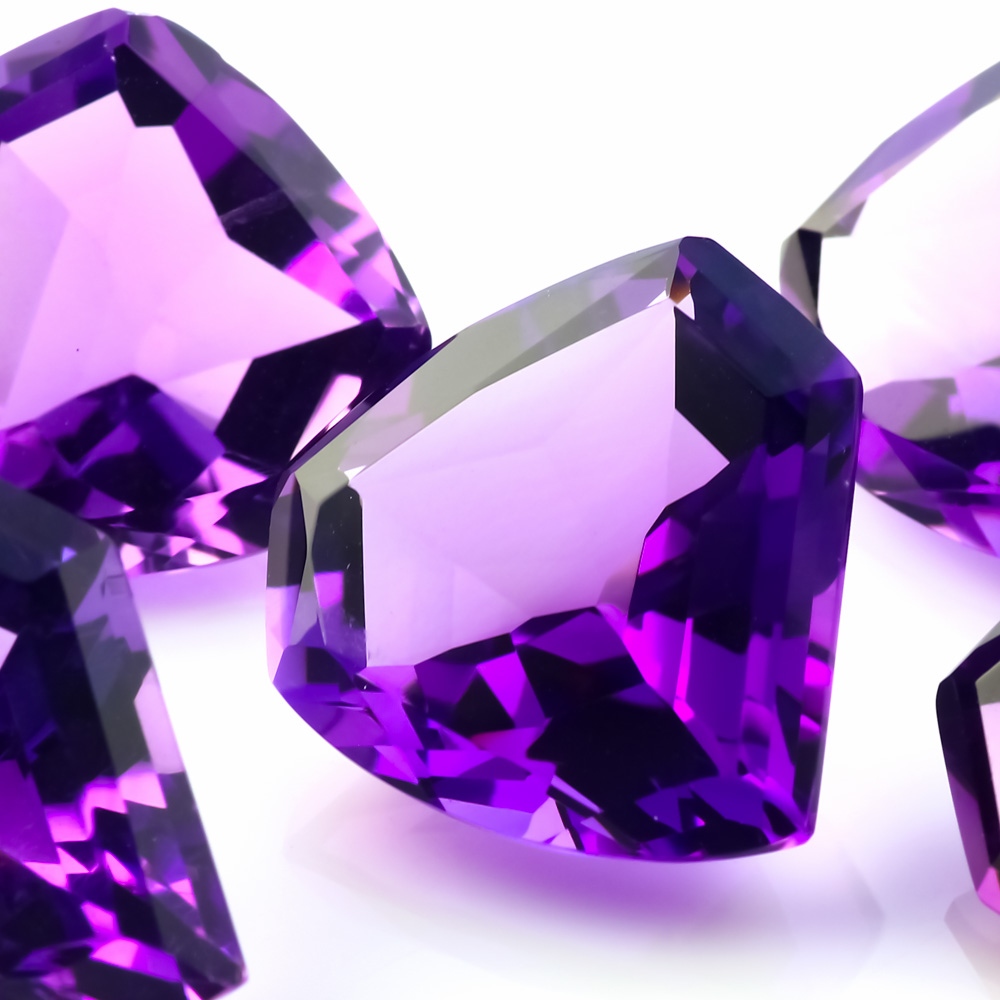
These are stones that are usually included. For example, corundum, garnet, iolite, peridot, tourmaline, amethyst. These are stones that will usually have some degree of inclusion, and for these, and a VS stone will likely have noticeable inclusions under 10x magnification and these may well be eye-visible.

Type III Stones:
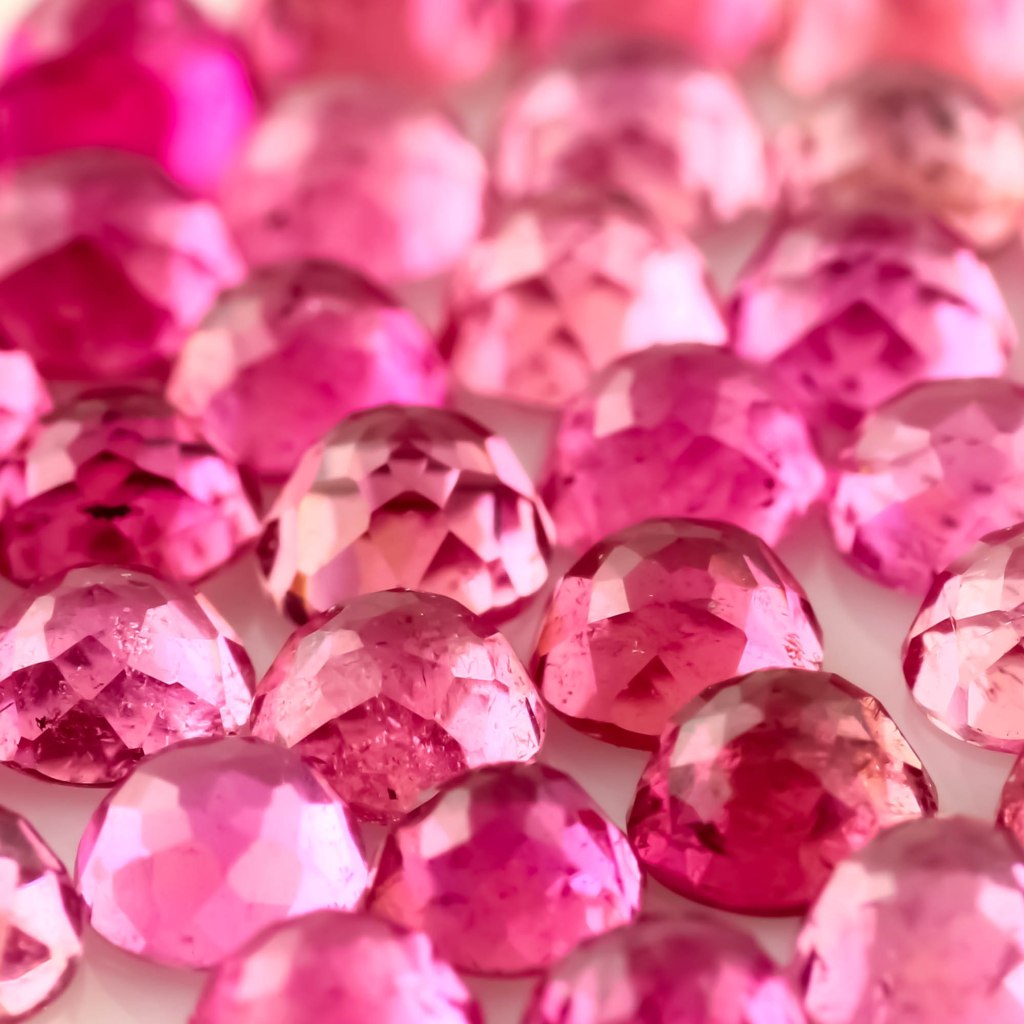
These stones are almost always included, and yes emerald, I’m talking about you. Because it’s hard to find clean crystals the standards for a VS stone are pretty low and so a VS type III stone will have obvious inclusions at 10x magnification which will be likely eye-visible. Such stones are, yes, emerald and the red and pink tourmalines. As well as red beryl, not that we are likely to come across a lot of that!

All of this ought to be obvious, but I am aware that when we talk about stones, we get hung up on things like clarity and grades, whilst forgetting that sometimes clean stones are just not realistic. Stones are natural, they come out of the ground. The marks and trauma within tell the story of their birth. All of this should be celebrated and there’s a place for every kind of stone, however included. As with everything, information and disclosure is the key.

Below you can see how beautiful included stones can be. On the left is a ring made from a tourmaline bought by a customer. This was made by Custom Jewelry Co in Australia. This is an included tourmaline but it’s just beautiful, like a map of the world.
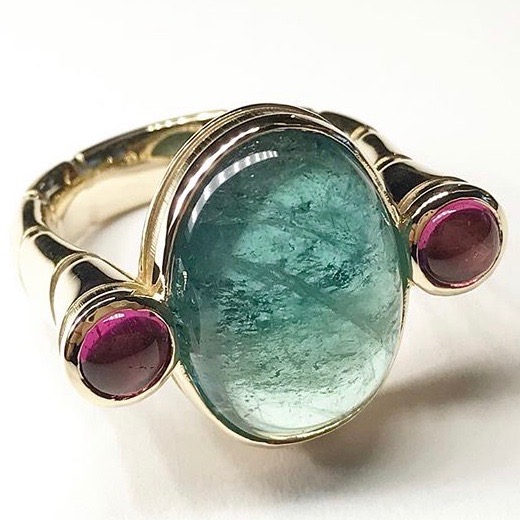
Aqua and pink tourmaline ring by Custom Jewelry Company

joopygems.com

In Praise of Inclusions: Needles

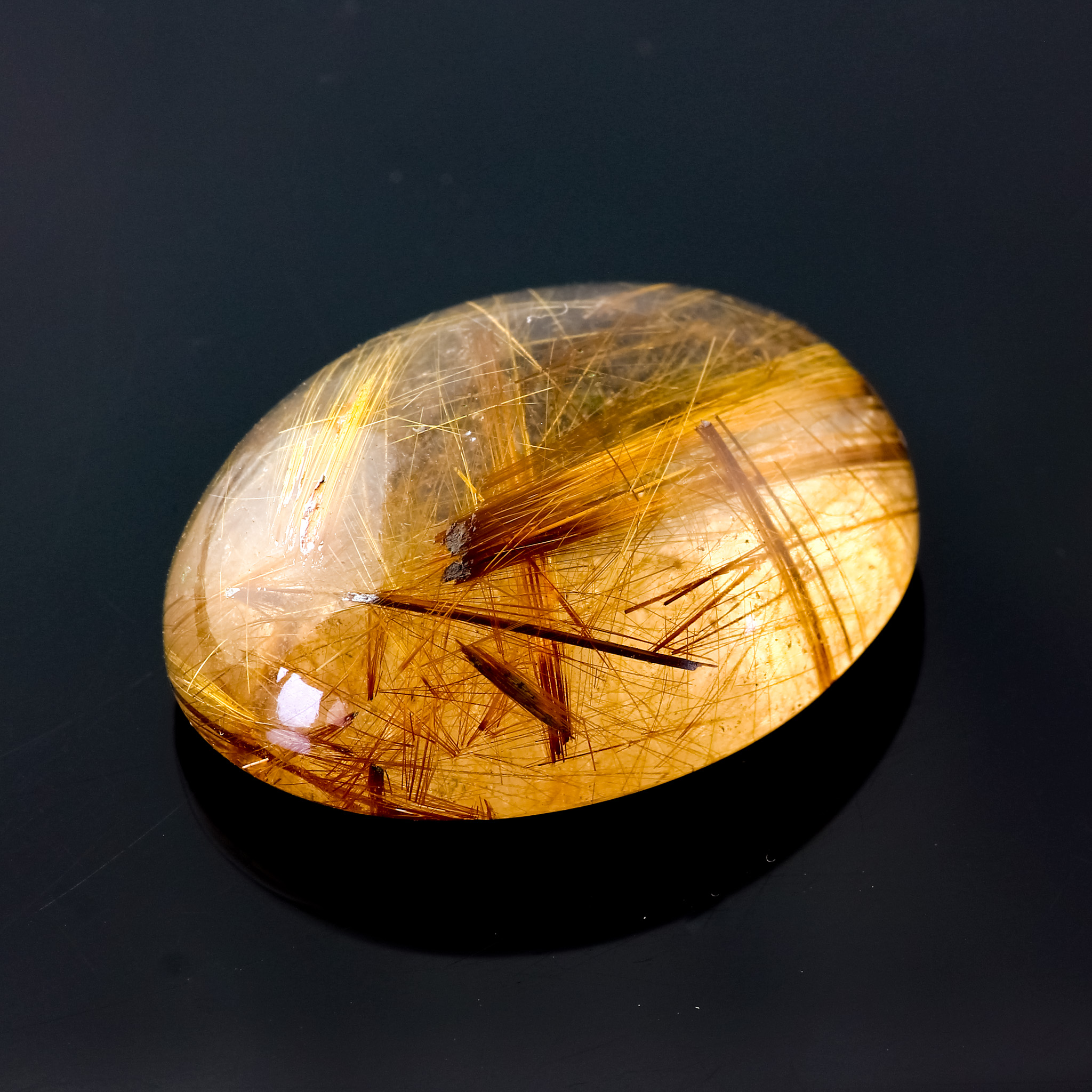
Joopy Gems Golden Rutilated Quartz Cabochon Freesize, 55.81 carats, 29.5x23.2x11.3mm
Golden Rutilated Quartz Cabochon Freesize, 55.81 carats, 29.5×23.2×11.3mm, $184

I’ve decided to do a series of posts on inclusions, as it is simply one of the most frequent topics that comes up with customers. Everyone knows the value of a nice, clean gemstone: no-one wants a diamond with a dirty great fracture, or a ruby with a big black crystal under the table. However, the search for a perfectly clean stone is a bit of a fool’s errand. The GIA no longer uses the term ‘internally flawless’ to describe diamonds as there is simply no such thing; with increasingly powerful microscopes, if you magnify anything enough times, you will find something. But above all, I think we need to reconsider attitudes to inclusions. The GIA doesn’t call them inclusions; preferring the term ‘clarity characteristics’, and if you believe that the very words we use are instrumental in influencing how people feel about a thing then we can see that this is a much less judgemental term to use. They describe clarity characteristics in a stone as ‘the eyewitnesses to its birth’. They can provide valuable information as to how and where it grew, indicate events in its history and sometimes on a broader scale, in the the events and internal turmoil of earth’s history. They can help detect whether a stone is natural or synthetic and provide evidence as to whether the stone has been treated or not. They almost always tell a story. And if you’ve ever held a pile of synthetic rubies in your hand you might find yourself thinking, as I have, that stones without inclusions can have all the appeal of a piece of coloured glass.

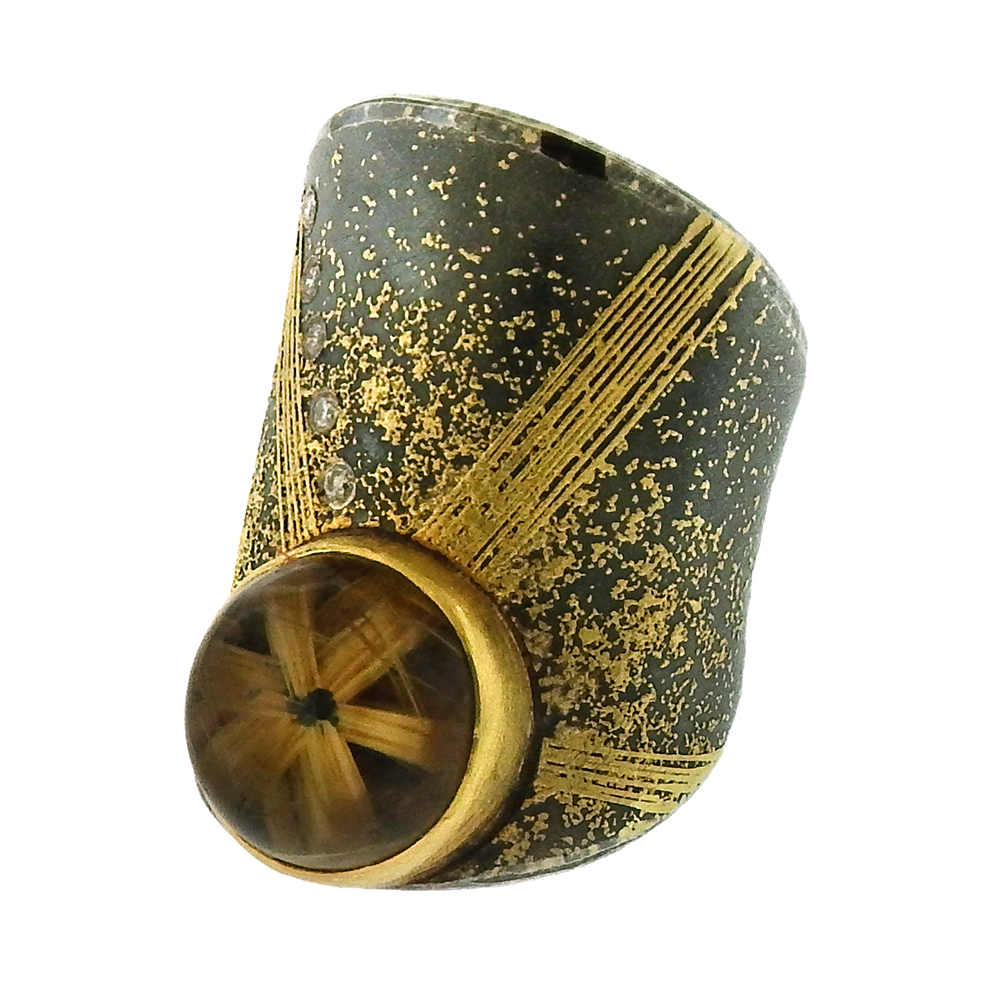
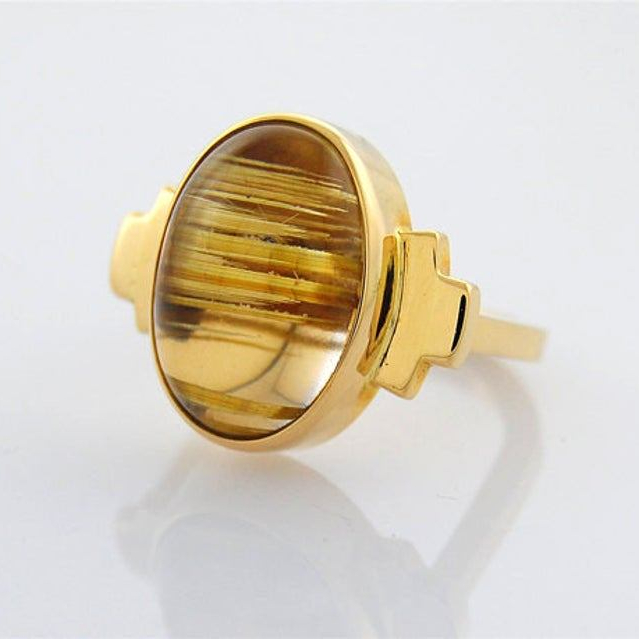
Inclusions are not always bad, either, and that’s my subject today. Sometimes they have a beneficial effect on a stone’s beauty, and that is certainly the case with needles! Needles are defined as long, thin, solid crystals or hollow tubes; if it’s hollow it might be filled with fluid or gas. A group of fine needles is called ‘silk’. Silk is what gives high quality sapphires their soft, velvety appearance, and can give rise to cat’s eyes and stars, if it is oriented along the stone’s crystal planes. Needles to me are at their best when they are present as visible needles in stones such as quartz and prehnite. These stones are desirable precisely because of their inclusions. In quartz, rutile needles can appear gold, copper, red and black. They can occur sparsely or in clumps; they can be thick and coarse, or they can be fine, the so-called angel-hair variety. You can also get rutilated prehnite; a soft, green bodycolour intersected with striking black needles. When we talk about inclusions it’s easy to see this as always having a negative connotation but it simply isn’t so. Rutilated stones really need only a simple, beautiful setting to show them off to their best, however, I love the setting below, where the design on the body of the ring echoes the spokes of the rutile in the quartz.

Peter Schmid: Rutilated Quartz Ring
Peter Schmid: Rutilated Quartz Ring, $4950

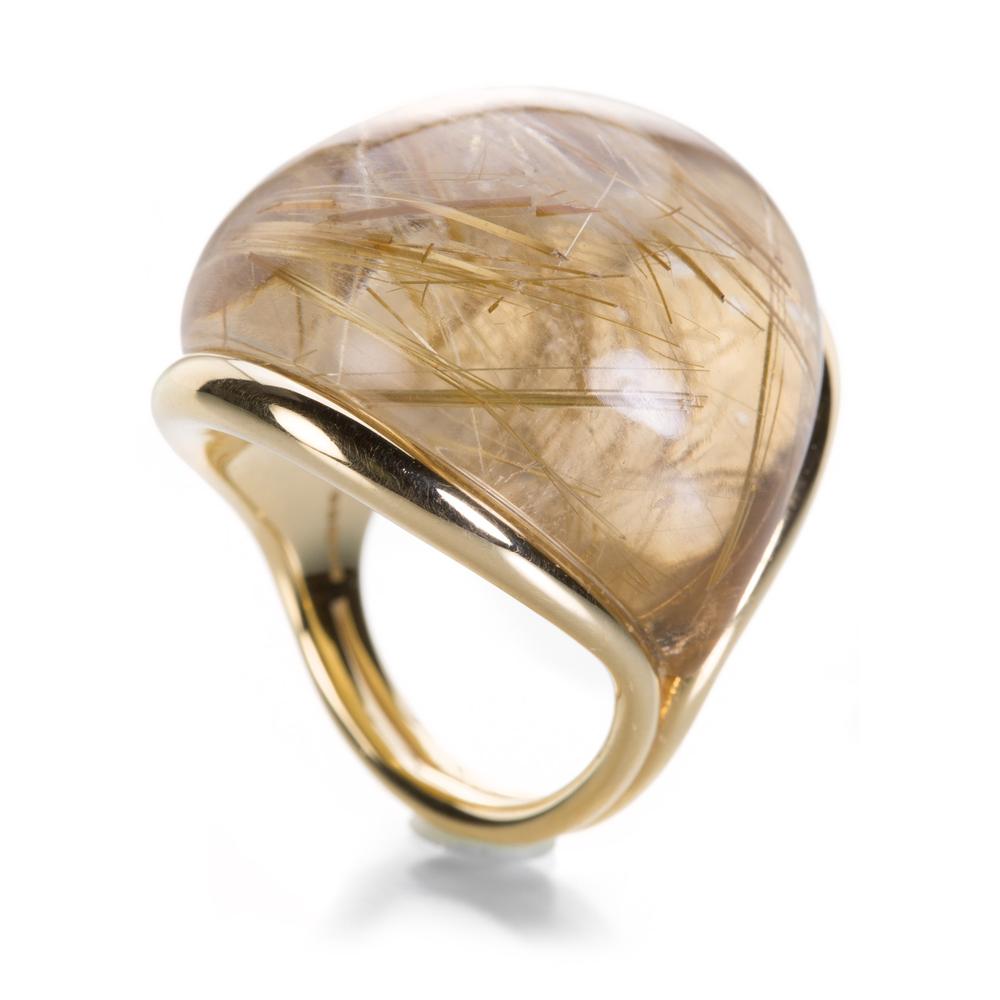
Fernando Jorge Rounded Rutilated Quartz Ring
Fernando Jorge Rounded Rutilated Quartz Ring, $7830

William White Big Rutilated Quartz Cabochon Ring in 18K Yellow Gold
William White Big Rutilated Quartz Cabochon Ring in 18K Yellow Gold, $1100

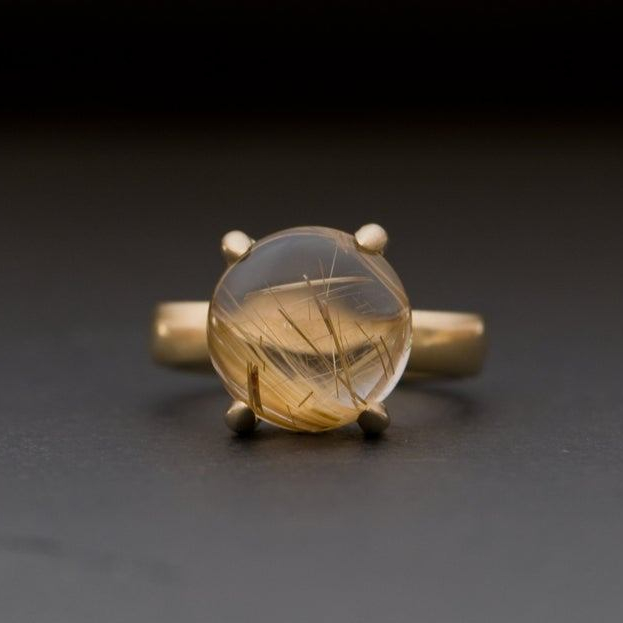
Sasa Jewelry Rutilated Quartz Ring
Sasa Jewelry Rutilated Quartz Ring, $950

To shop our collection of rutilated stones, please click here. Next time I’ll be talking about the dreaded fractures!

joopygems.com