Clarity’s a simply enough concept, right? A stone is clean or not and it’s clarity is described in neat categories. Well, no, not really. Diamonds are one thing, with the scale running from Flawless to Included, but the similarly categorised scale for coloured gems is a bit more complicated. And if you think about it for one second, this makes perfect sense. Because with diamonds, clarity is a huge value-factor. It has to be accurate, reliable and valid. It has to be able to be taught so that everyone grading the stones is doing roughly the same thing. But coloured stones are different, and one of the biggest ways they differ is in terms of their clarity types. This is a system of classification developed by the GIA to describe the way in which some stones, above and beyond the level of clarity of an individual stone, are basically more included than others. It divides stones into 3 types, and each clarity grade means something different for each type. It goes like this:
Stones that are usually eye-clean. For example, aquamarine, chrysoberyl, smoky quartz and blue zircon (there are others). These are stones that it’s not hard to find in clean quality, and for these, a VS stone means an eye-clean stone with inclusions that can be seen under 10x magnification.
These are stones that are usually included. For example, corundum, garnet, iolite, peridot, tourmaline, amethyst. These are stones that will usually have some degree of inclusion, and for these, and a VS stone will likely have noticeable inclusions under 10x magnification and these may well be eye-visible.
These stones are almost always included, and yes emerald, I’m talking about you. Because it’s hard to find clean crystals the standards for a VS stone are pretty low and so a VS type III stone will have obvious inclusions at 10x magnification which will be likely eye-visible. Such stones are, yes, emerald and the red and pink tourmalines. As well as red beryl, not that we are likely to come across a lot of that!
All of this ought to be obvious, but I am aware that when we talk about stones, we get hung up on things like clarity and grades, whilst forgetting that sometimes clean stones are just not realistic. Stones are natural, they come out of the ground. The marks and trauma within tell the story of their birth. All of this should be celebrated and there’s a place for every kind of stone, however included. As with everything, information and disclosure is the key.
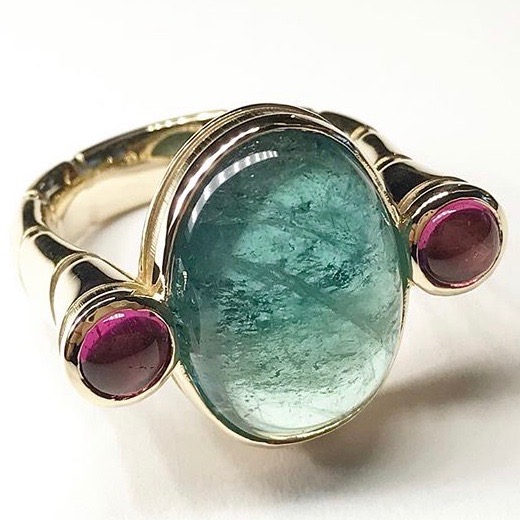
Below you can see how beautiful included stones can be. On the left is a ring made from a tourmaline bought by a customer. This was made by Custom Jewelry Co in Australia. This is an included tourmaline but it’s just beautiful, like a map of the world.
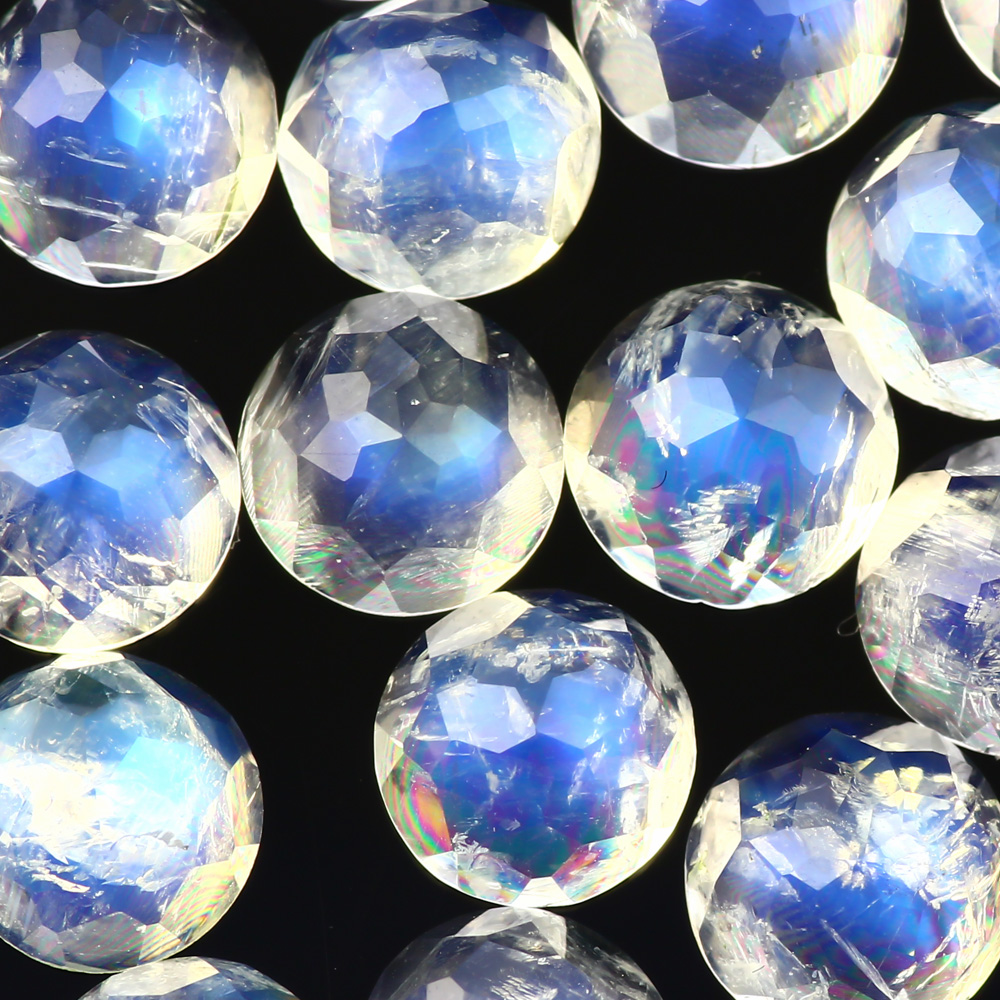
Rainbow Moonstone 6mm Rose Cut Round AA Grade, $22
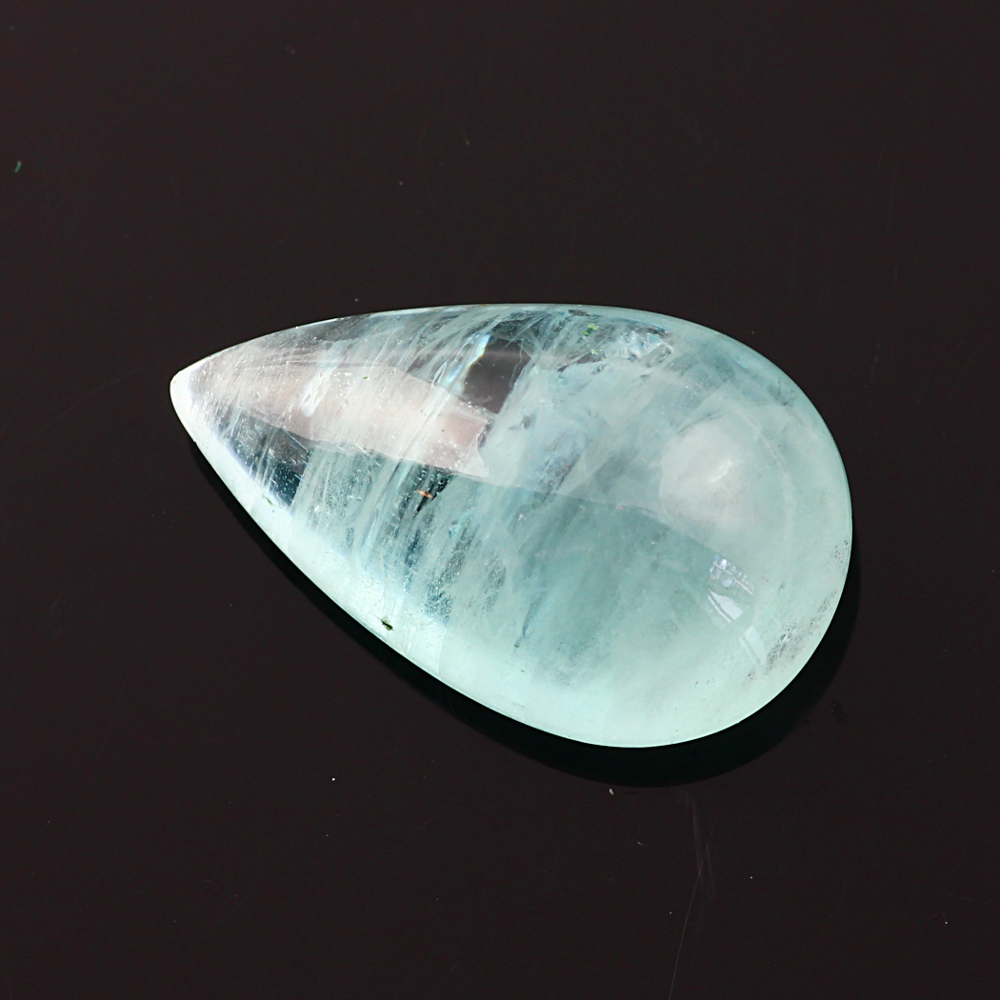
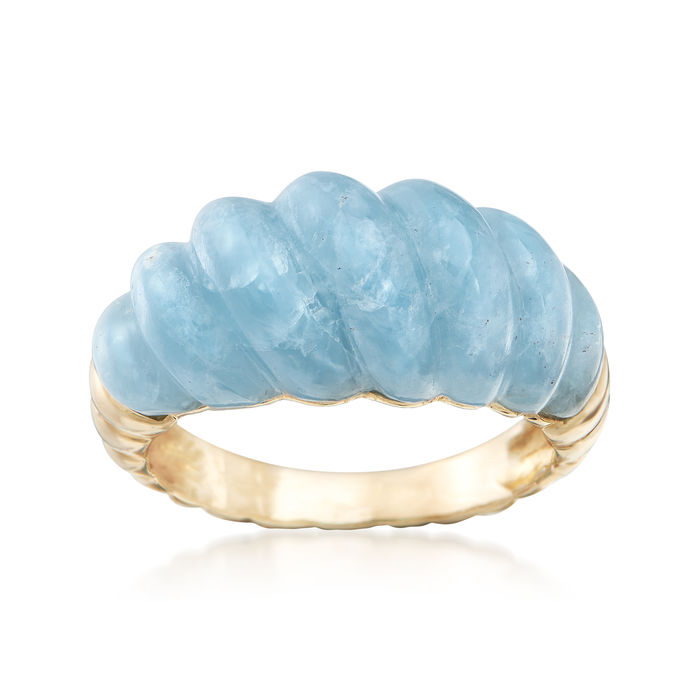
Aquamarine Pear Cabochon
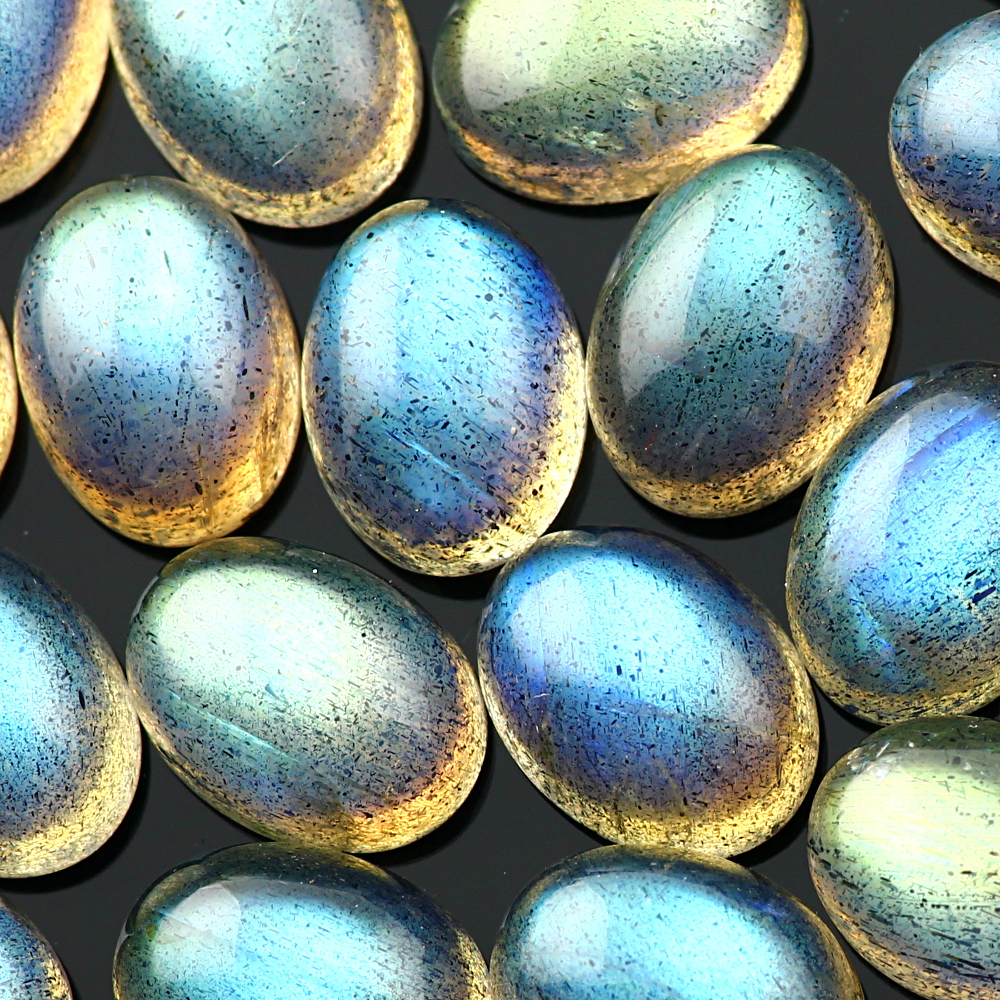
Labradorite Cabochon 6x8mm Oval
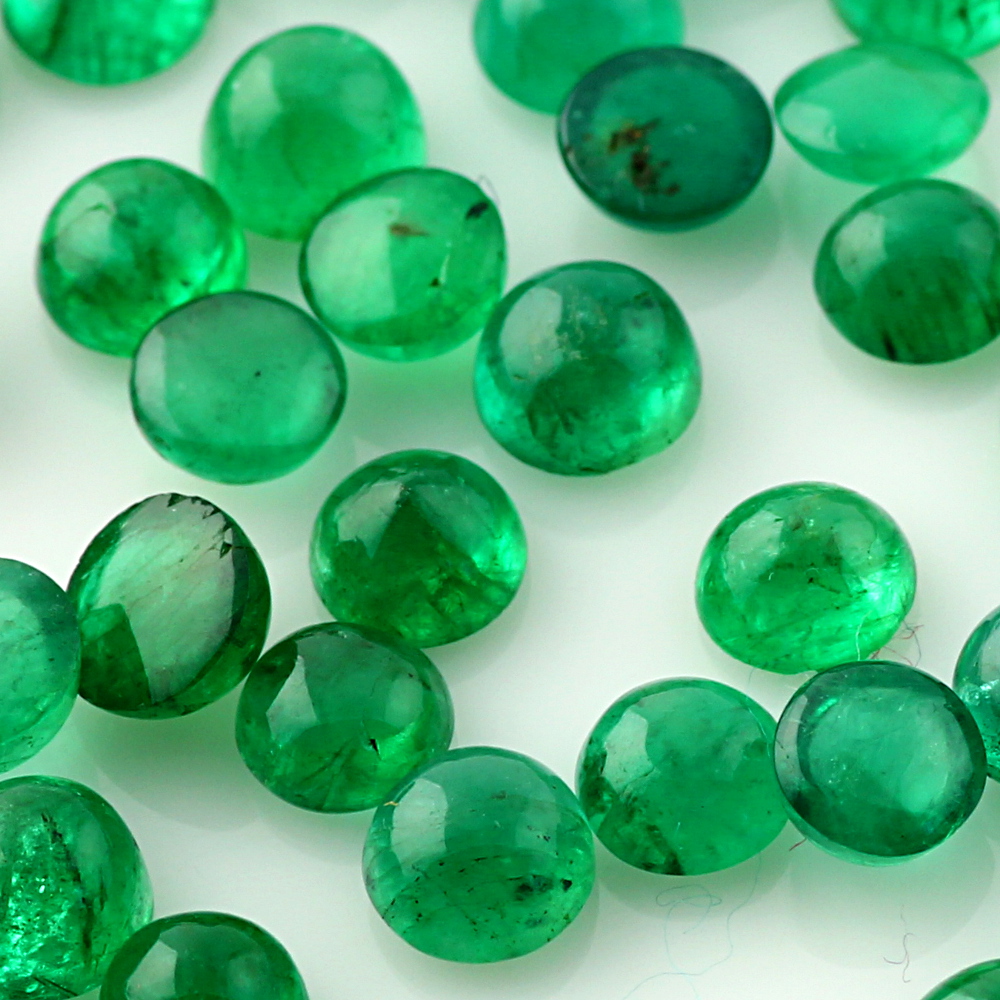
Emerald Cabochon 4mm Round
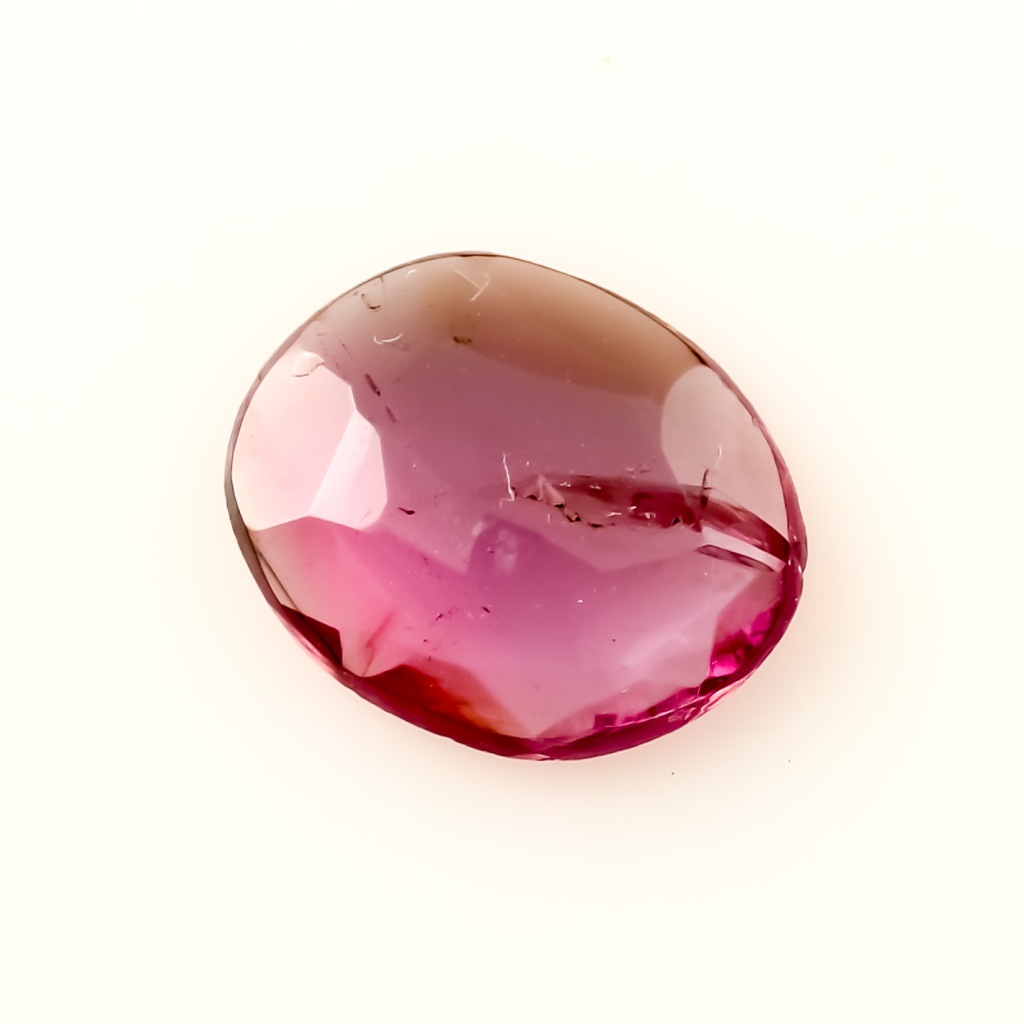
Tourmaline Rose Cut Freeform, 0.39 carats
What a lovely sounding title. If there is one thing that people generally want to avoid in gemstones, it’s a fracture or a feather; whether the crack is surface reaching or completely included in the stone, there’s always the danger of it opening up and splitting or at least weakening the stone. More than that, it’s unlikely that it’s ever going to actively add to a stone’s beauty. However, it’s such a common feature of stones, and indeed sometimes an integral part of the stone’s make-up that it bears closer inspection. A fracture can tell you how the stone was formed, give you information about whether and how it’s been treated
The first thing to be said is that all fractures are not equal. There is a difference between a large, unsightly feather right under the table of a diamond and a delicate fingerprint pattern inside a ruby. In addition, some types of stone are much more likely than others to be fractured in the first place. Let’s find out where they come from and in what forms you might find them.
Where do they come from?
During crystal growth; a result of internal tensions caused by structural defects or tectonic activity
During crystal growth; an integral part of the stone’s make up – eg parting in labradorite, cleavage etc
Whilst formed crystals are in the host rock, due to changes of pressure or mechanical damage produced by tectonic activity.
Secondary deposits, when gems are transported and accumulated, eg after being tumbled and washed down a stream.
In primary deposits, during mining or the recovery process (blasting and crushing of the rock).
During cutting itself: sawing, cutting and polishing, accidental blows or if internal tensions release, or if the stone becomes too hot.
In some treatments, due to thermal shock
During heating, included crystals inside the host crystal can expand leading to ‘halo fractures’
For mechanical reasons during jewelry making or repair process, eg setting
Once in jewellery, normal wear and tear, for example accidental bumps and abrasions
Labradorite with lamellar twinning lines (photo courtesy of Gem Rock Auctions)
Large fractures in stone varieties known for easy cleavage; tanzanite, kyanite or topaz for example should be avoided. They don’t look good and worse, will seriously impact the durability of the stone. Any blow or accidental damage could cause the fracture to open up. As stone-cutter Meg Berry states, she likes to apply the ‘rule of thumb’ when it comes to fractures in stones; namely, if you can snap it with your thumb, you probably ought to. Smaller fractures are a different matter; some milky aquamarine is full of fractures and beautiful, watermelon tourmaline tends to come up quite fractured and of course with emerald it’s almost impossible to avoid. Below, the aquamarine is crazed with tiny fractures, but it adds to the density of the colour and the movement of the cut. The tourmaline slice is imperfect but the colours are still bright and the emerald looks like a planet, with its visible fractures and liquid inclusions.
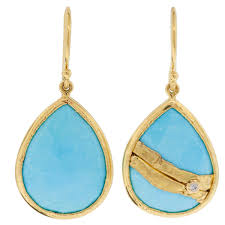
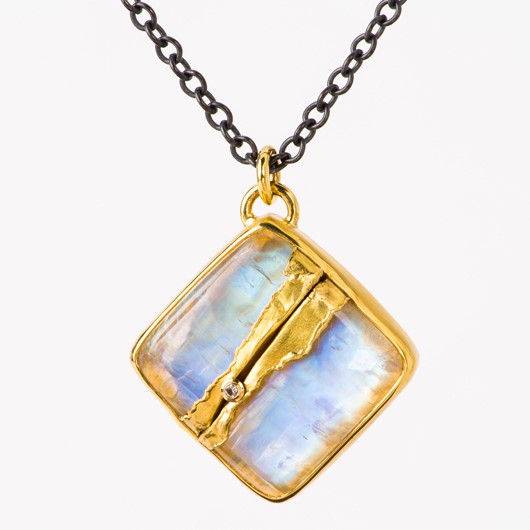
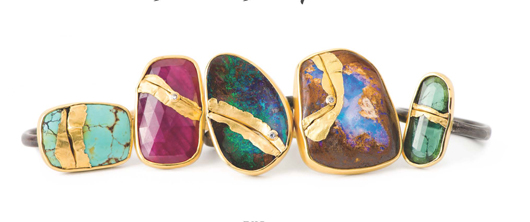
It’s hard to think of any situation where a large inclusion adds to the beauty of a stone but as I was writing this I thought, if there’s one thing I’ve learned in 10 years in this business and that is that people are endlessly creative and can conjure beauty from the most unprepossessing of raw materials. Enter Jamie Johnson, and her Golden Joinery collection. These are all one of a kind; broken stones set in sterling silver with the seams of both cracked halves dipped in 22k gold. They are absolutely stunning. Below from left Aussie Boulder Opal Joinery Ring, $2860, Golden Joinery Turquoise Earrings, $2330 (photos courtesy of New Twist), Pendant necklace in oxidized sterling silver with 22k gold and rainbow moonstone, $2,970 and finally the group at the bottom featuring turquoise, ruby, boulder opal and green tourmaline (photos courtesy of David Wentworth at Flutter Studios). Aren’t these amazing?
Ah yes, labradorite. Think of labradorite and in your mind’s eye you’ll no doubt think of a multi-veined stone with the characteristic flash. Years ago I was having trouble with customers sending back stones because not only is the stone soft, but there’s a thing called lamellar twinning. Also known as ‘repeated’ or ‘multiple’ twinning, this results in the layered make up of the stone, which makes it prone to fracturing along these twin planes. It is also, however this make-up which gives rise to the flash – it is the light refracting off these planes that results in the characteristic labradorescence. So when customers tell me they want great flash and no fractures, I kind of want to throw my hands in the air and shriek!! However, I have now done my best with it; not entirely fracture-free but my labradorite is less fractured than most. I try to buy the translucent material with the superior flash, and that way I have happier customers and fewer returns. Even so, you’ll see in the picture below that there are still fracture lines across the stones. It’s pretty much unavoidable.
Cleavage is the tendancy of a crystal to break along distinct planes, and some stones are more prone than others, depending on their specific characteristics. It’s where the atomic bonds are weaker, so the crystal can split easily along those lines. Some have no cleavage – eg quartz, opal, agate, turquoise, ruby and sapphire, and some have perfect cleavage along one or more planes, for example topaz, diamond, kyanite, and all feldspars. It’s more of an issue during cutting – and in fact it used to be used to divide large gem crystals. Now cutters make sure that they cut such stones to minimise the chance of the stone cleaving during setting.
So we have seen that fractures have a function and a place. They may even be beautiful, and certainly they are sometimes unavoidable. I think I ‘ve gone on enough so next time we will be looking at other kinds of fracture – eg halos and fingerprints and also clarity types: the tendancy of some stones to be more included than others.
Golden Rutilated Quartz Cabochon Freesize, 55.81 carats, 29.5×23.2×11.3mm, $184
I’ve decided to do a series of posts on inclusions, as it is simply one of the most frequent topics that comes up with customers. Everyone knows the value of a nice, clean gemstone: no-one wants a diamond with a dirty great fracture, or a ruby with a big black crystal under the table. However, the search for a perfectly clean stone is a bit of a fool’s errand. The GIA no longer uses the term ‘internally flawless’ to describe diamonds as there is simply no such thing; with increasingly powerful microscopes, if you magnify anything enough times, you will find something. But above all, I think we need to reconsider attitudes to inclusions. The GIA doesn’t call them inclusions; preferring the term ‘clarity characteristics’, and if you believe that the very words we use are instrumental in influencing how people feel about a thing then we can see that this is a much less judgemental term to use. They describe clarity characteristics in a stone as ‘the eyewitnesses to its birth’. They can provide valuable information as to how and where it grew, indicate events in its history and sometimes on a broader scale, in the the events and internal turmoil of earth’s history. They can help detect whether a stone is natural or synthetic and provide evidence as to whether the stone has been treated or not. They almost always tell a story. And if you’ve ever held a pile of synthetic rubies in your hand you might find yourself thinking, as I have, that stones without inclusions can have all the appeal of a piece of coloured glass.
Golden Rutilated Quartz Cabochon Freesize, 41.975 carats, 29.8×21.5×9.6mm, $138.40
Golden Rutilated Quartz Cabochon Freesize, 9.65 carats, 16.1×12.1×7.2mm, $31.85
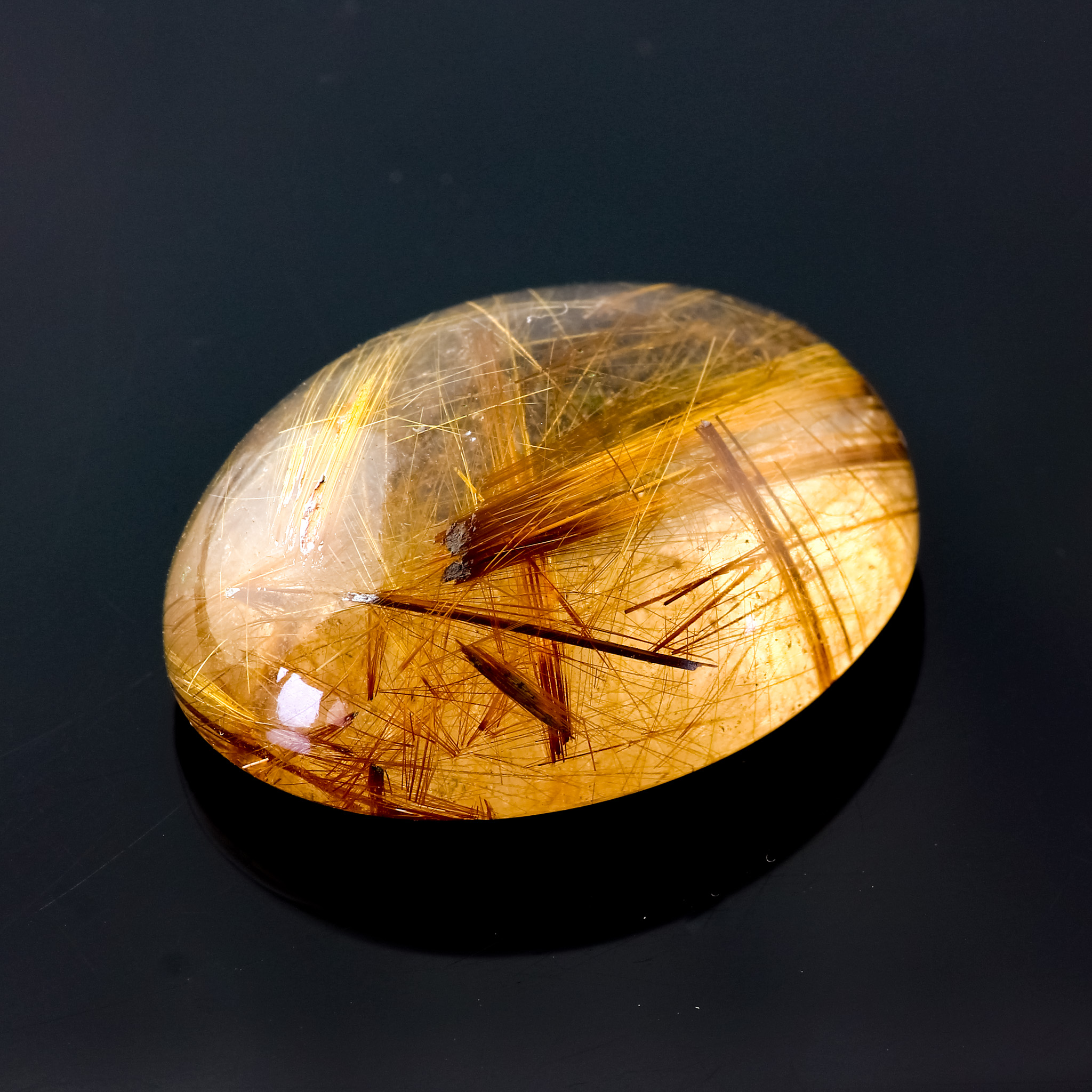
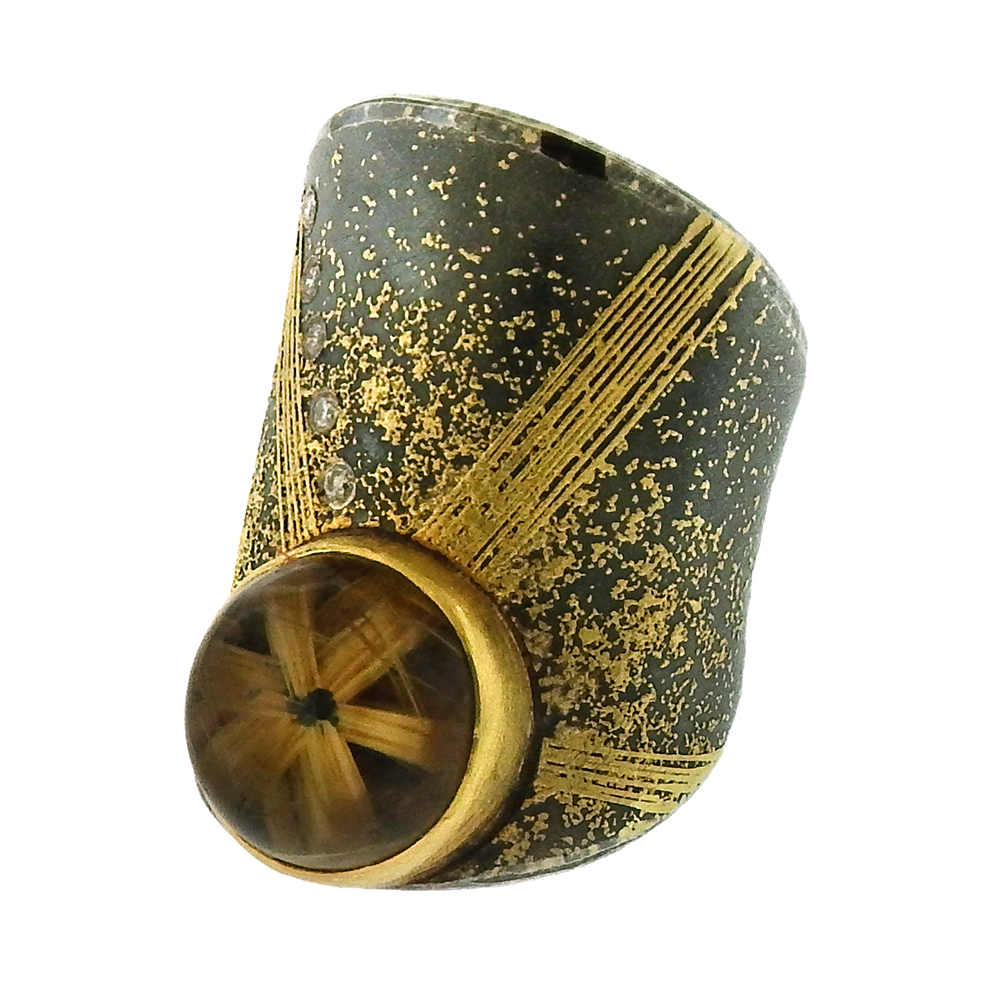
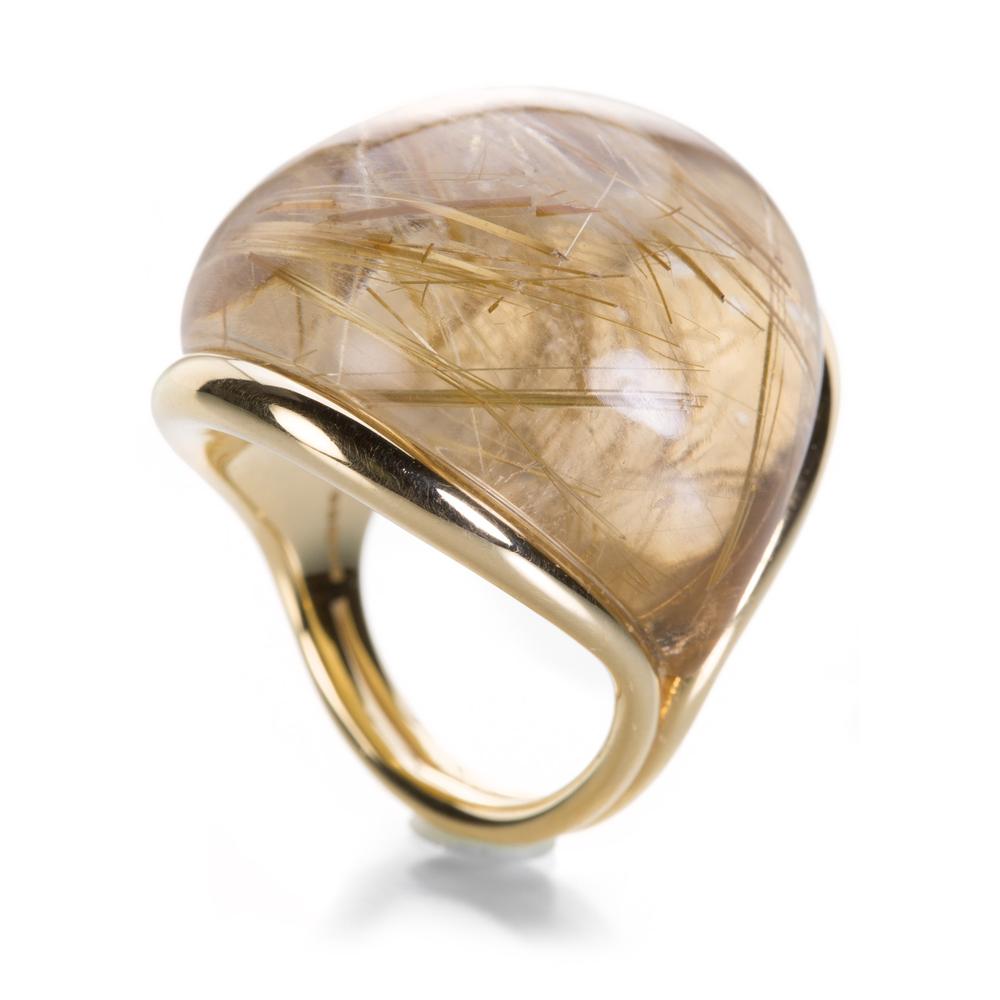
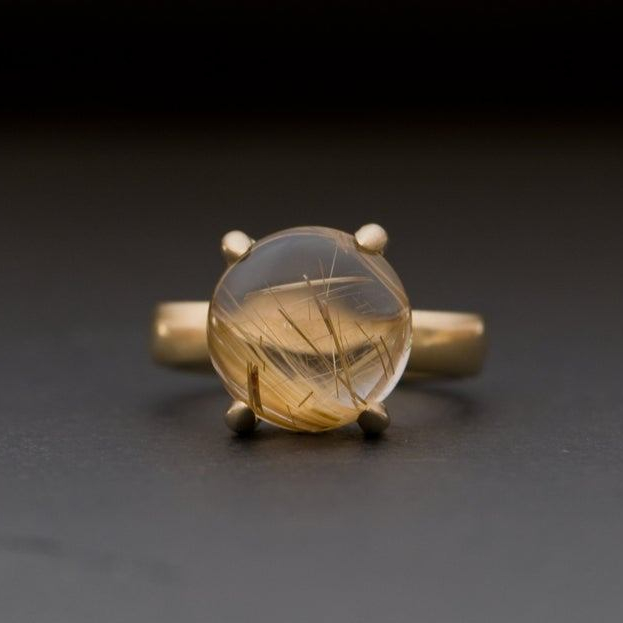
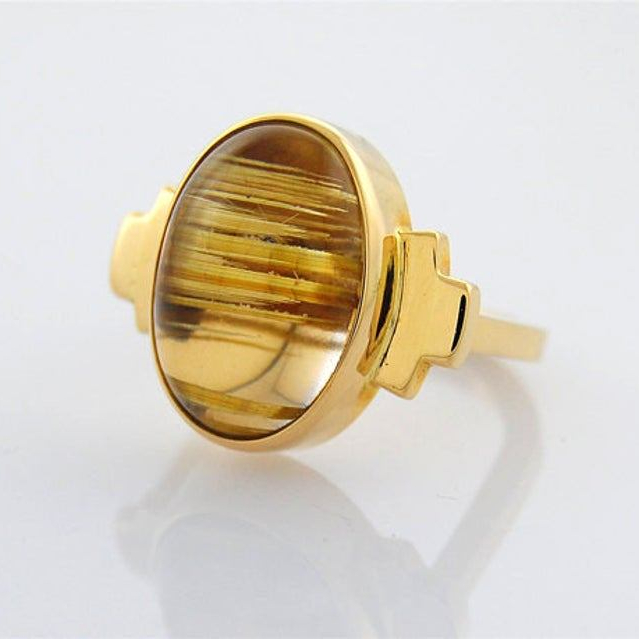
Inclusions are not always bad, either, and that’s my subject today. Sometimes they have a beneficial effect on a stone’s beauty, and that is certainly the case with needles! Needles are defined as long, thin, solid crystals or hollow tubes; if it’s hollow it might be filled with fluid or gas. A group of fine needles is called ‘silk’. Silk is what gives high quality sapphires their soft, velvety appearance, and can give rise to cat’s eyes and stars, if it is oriented along the stone’s crystal planes. Needles to me are at their best when they are present as visible needles in stones such as quartz and prehnite. These stones are desirable precisely because of their inclusions. In quartz, rutile needles can appear gold, copper, red and black. They can occur sparsely or in clumps; they can be thick and coarse, or they can be fine, the so-called angel-hair variety. You can also get rutilated prehnite; a soft, green bodycolour intersected with striking black needles. When we talk about inclusions it’s easy to see this as always having a negative connotation but it simply isn’t so. Rutilated stones really need only a simple, beautiful setting to show them off to their best, however, I love the setting below, where the design on the body of the ring echoes the spokes of the rutile in the quartz.







 Joopy Gems | The Blog