Imperial Topaz isn’t Blue

Greg Polley and digitally enhanced by SquareMoose
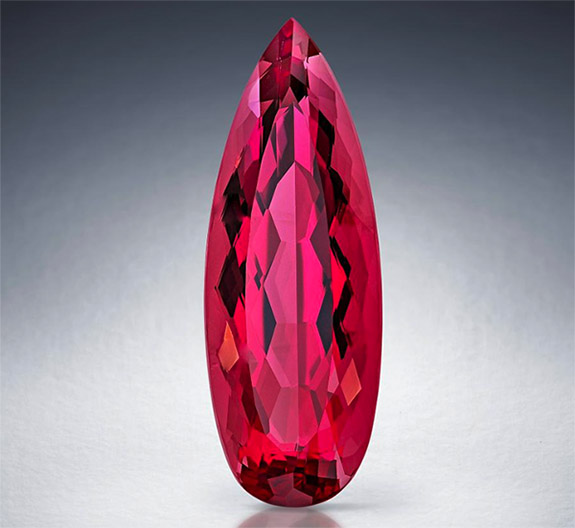
NMNH G11638
Brazil, Minas Gerais
48.86 ct
Gift of Coralyn W. Whitney in 2018.
The Whitney Flame Topaz, Smithsonian Institute

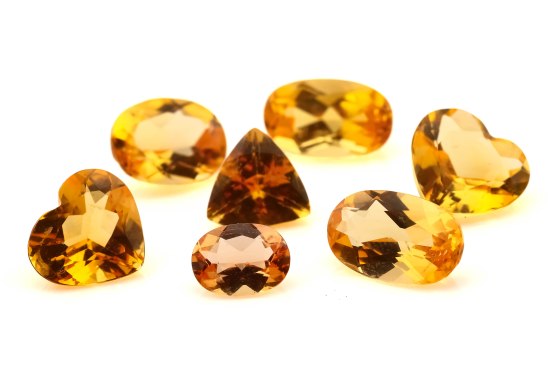
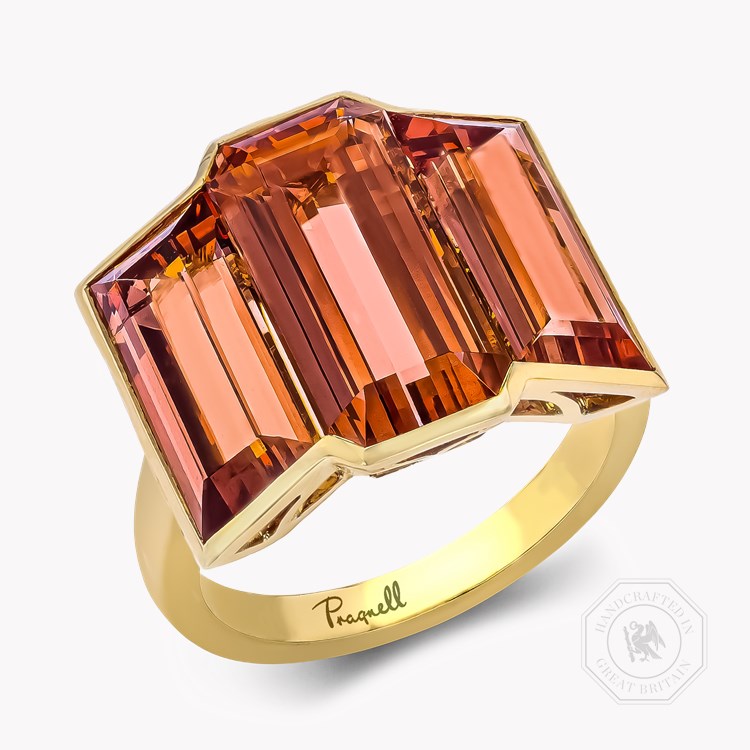
It’s November, which means topaz is having its annual moment, so I thought it was high time I wrote about my favourite member of the family. Most people picture topaz as either colourless or that very familiar blue stone running through the blues from pale to bright to sophisticated Prussian but there was a time when all yellow stones were believed to be topaz and all topaz thought to be yellow. When Sybil Fawlty said, ‘it’s all a little bit topaz’, she wasn’t talking blue. The finest of all is Imperial Topaz; one of my favourite stones and at its best its a glowing red with a flush of peachy-pink running through it, running all the way through a deep sherry colour, to peach to pink. The colour of sunset, basically. See above the absolutely gorgeous speciman sitting in the Smithsonian. Another distinctive characteristic is pleochroism – which turns even the more yellow stones deeper orange at the ends. This beautiful, contemporary ring from Pragnell demonstrates the gorgeous peachy orange shades this stone can achieve.
What makes it “imperial”?

The story goes that the name was coined in nineteenth-century Russia, where the orange-pink topaz newly discovered in the Urals was reserved for the Tsar and his family. These Russian deposits are now mined out and nowadays the finest imperial topaz comes almost entirely from the area around Ouro Preto in Minas Gerais, Brazil. The colour comes from traces of chromium, the same element that makes ruby red and emerald green. Pure topaz is colourless; it’s the impurities that give it all its character.

As usual with a name that sounds this grand, it’s worth being a little cautious as “imperial” gets stuck on anything from pale yellow or peach to deep golden orange. The most prized stones are a rich pinkish-orange, sometimes called “sherry” when they lean browner and the name is also applied to orangey stones that display any kind of reddish pleochroism. Also look out for coated or surface-treated colourless topaz sold under all sorts of sunset-inspired names; this is a very different thing and should cost a great deal less.
The lore

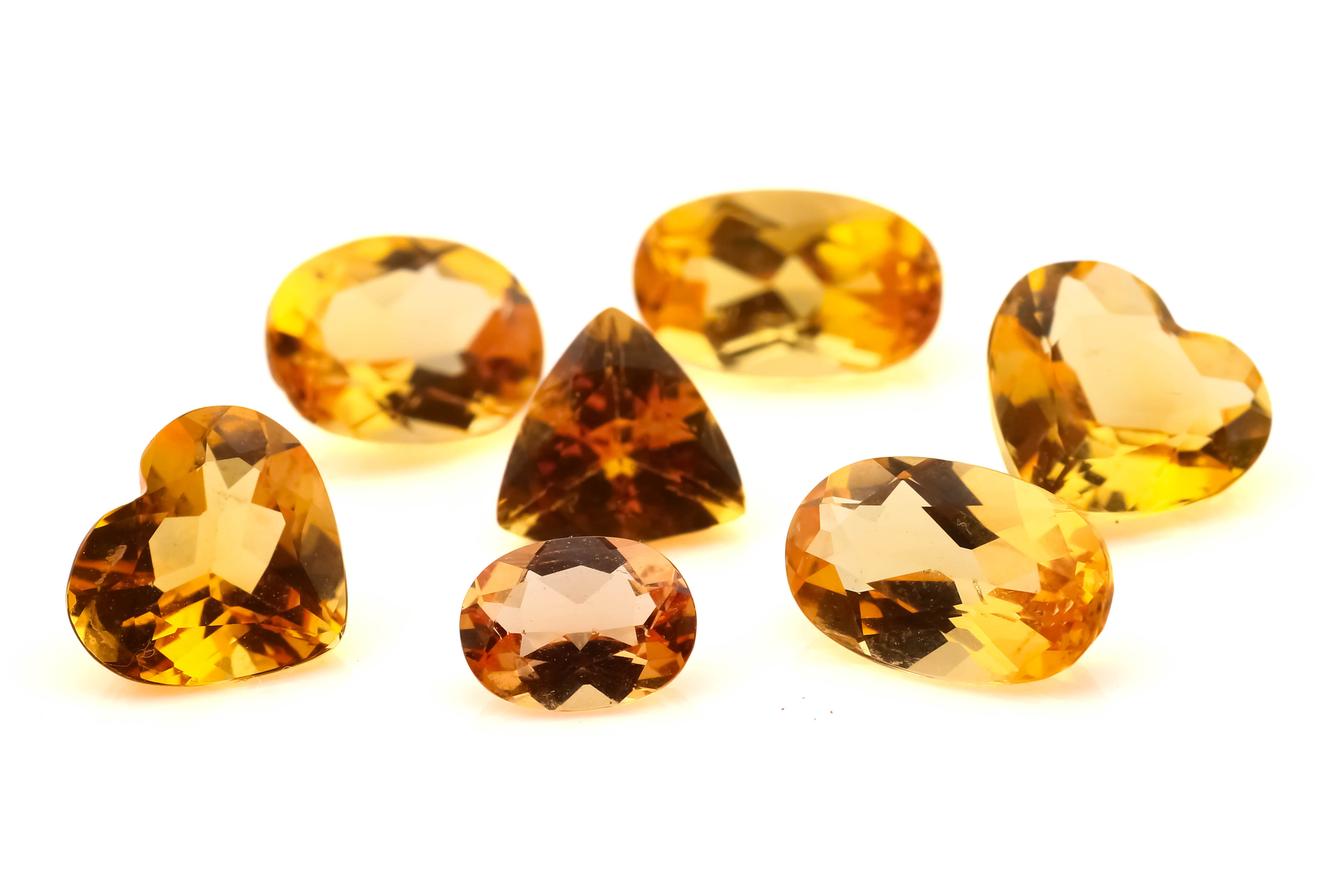
The word ‘topaz’ itself is a bit of a mystery. One theory takes it from Topazios, an island in the Red Sea that Pliny wrote about, shrouded in fog and apparently very hard to find. The twist is that the gem from that island was almost certainly peridot, so the ancients may have named a stone after the wrong mineral. The other theory is that it comes from the Sanskrit tapas, meaning fire, which suits imperial topaz very as it does have a fiery glow. Wherever the name came from, topaz picked up a long list of powers. It was said to calm anger, soothe the mind and keep travellers safe, and, as with so many stones, the medieval belief was that it would warn you if your wine had been poisoned.
A few things worth knowing

  • It’s heavy: Topaz has a high specific gravity, around 3.5 against quartz at 2.65. So a 10mm imperial topaz weighs noticeably more in carats than a 10mm citrine, which is worth remembering when you’re comparing prices per carat.
  • Hard, but not tough: Topaz is an 8 on the Mohs scale, but it also has perfect cleavage in one direction, so a sharp knock at the wrong angle can split it. Bezels and protective settings are really well suited to this stone
  • Pink topaz is usually heated. Natural pink topaz is properly rare. Much of what’s on the market started life as a yellowish-brown stone and was heated to bring out the pink, which is standard practice but ought to be disclosed

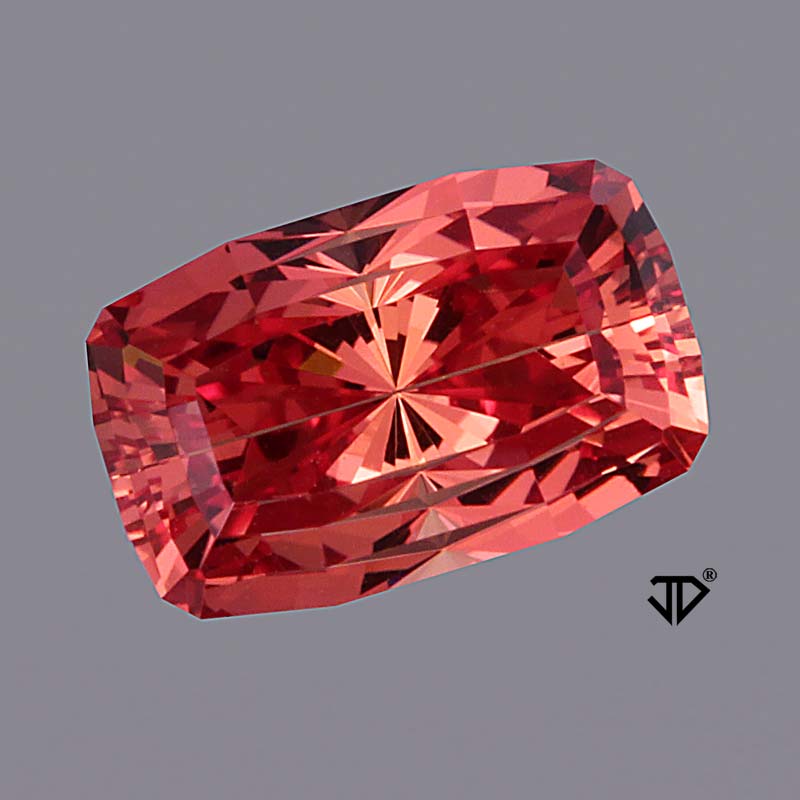
If you haven’t checked out John Dyer gemstones, I suggest you take a look. The most unbelievable cutting; it’s practically witchcraft with light.
Design notes

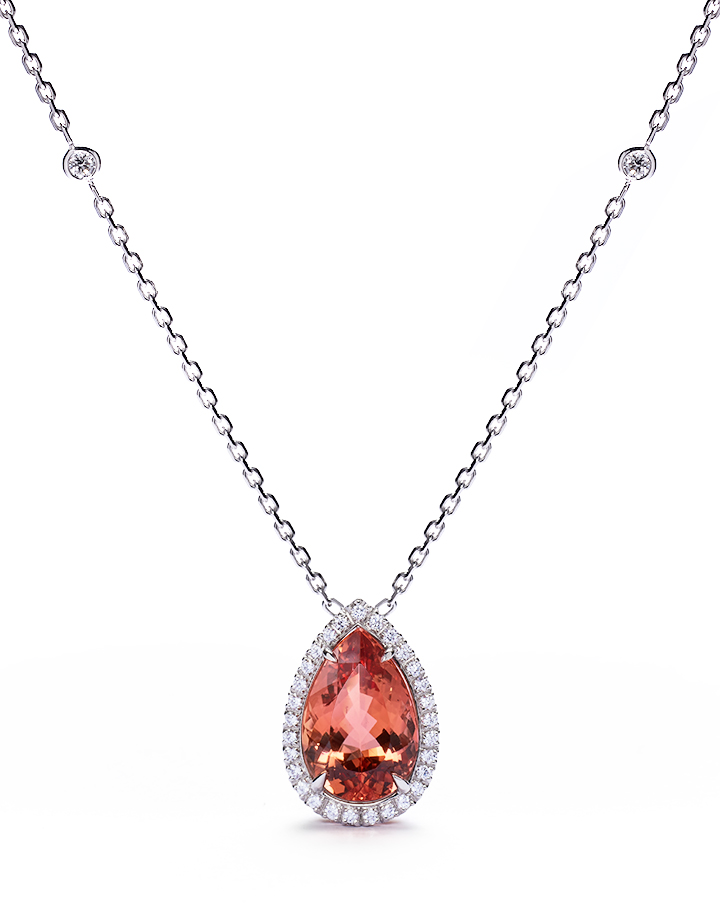
Imperial topaz loves warmth. Yellow and rose gold both make it glow, and I think rose gold in particular brings out the pink in the stone and makes it look almost lit from within White metals will give it a cleaner, more contemporary finish.. I’d love to hear if you’ve worked with imperial topaz, or whether you’re a November baby who’s be assumed that your birthstone is so often just “the lairy blue one”. You can browse my topaz here: I’ve just listed some lovely yellow stones, and the price of these is really keen, so do check them out.

joopygems.com
September Blues

September newsletter is out and here’s what’s in it

I haven’t written for a while – it’s been too hot, right?! I actually sent out my September newsletter on the first day it rained here on the South coast for sixty days, which feels appropriately Autumnal. Rather than make you go digging through your inbox for it, here are the highlights — plus a very good reason to make sure you’re actually on the list.

What’s in it:

Five stones I can’t stop thinking about. This issue’s getting the full nerdy-gemology treatment on rhodolite garnet (a properly juicy raspberry red that gives you a lot of colour for not a lot of money), rainbow moonstone (basically bottled moonlight, refuses to look the same twice), black spinel (the quiet, dependable one who somehow makes everyone else look better), London Blue Topaz (moodier, inkier, and getting harder to source since 2008 — so if you love it, now’s the time), and sphene, which I will not stop banging on about because it genuinely out-sparkles diamond and nobody believes me until they see it.

A birthstone chat. September means sapphire, and September babies did rather well for themselves — every colour except red, with red being ruby throwing its weight around under a different name.

A bit of trade gossip “Pigeon blood” and “royal blue” are getting official recognition in lab reports, GIA is now tracing origin on more everyday stones, and there’s a proper industry shift towards colour and story over “biggest diamond wins.” Which, if you’re already the sort of maker who reaches for an unusual stone over a safe one, is basically the industry finally catching up to you.

Creative combos, for when you know you want two stones together but haven’t a clue which two — plus actual design prompts (wax seals, storm maps, midnight swimming pools, moss on gravestones — it gets a bit unhinged, in a good way).

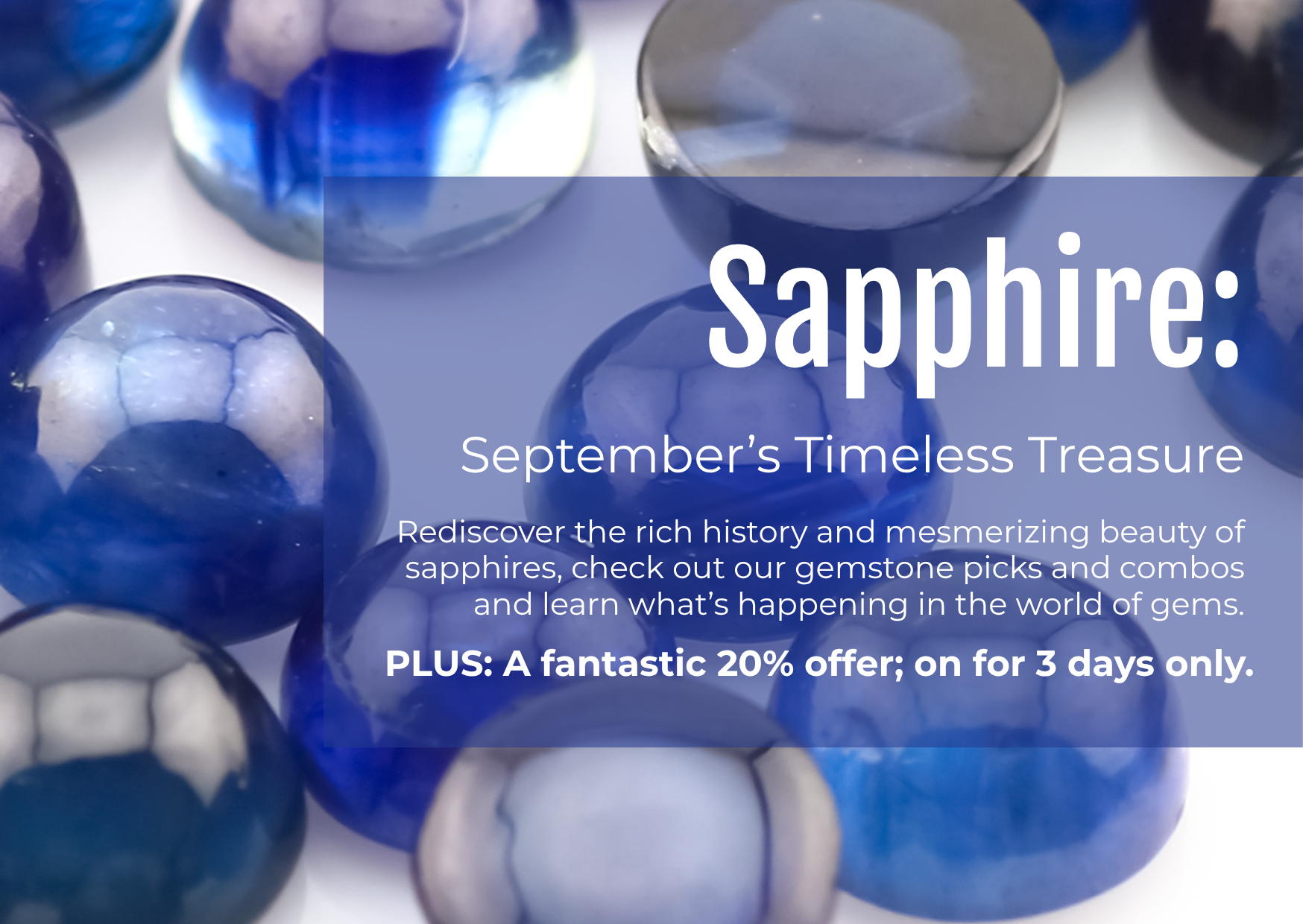
And the important bit: 20% off everything, storewide, for three days only. Code BENCH20, ends Tuesday 1st September at 23.59 GMT.

Why sign up, if you haven’t already

I’ll be honest with you, because that’s rather the point of this blog: I’m not going to pretend a newsletter changes your life. But here’s what it actually does for you:

  • You get first look at new stock — the good stuff tends to move fast, and subscribers see it before it hits general browsing.
  • Sales and discount codes land in your inbox, not somewhere you have to remember to check.
  • Actual gemology, explained by someone who’s sat the exams. Hardness, treatments, what’s rare versus what’s just marketed as rare — the kind of detail that makes your own customer conversations sound a lot more credible.
  • Design prompts you can steal outright. Every stone comes with two or three concrete jewellery ideas, because staring at a loose gem waiting for inspiration to strike is is surely the best thing about this job.
  • Trade news, pre-digested. I read the GIA and JCK reports so you don’t have to, and I flag only the bits that actually matter to a working jeweller.
  • No spam, no daily nonsense. Just a proper, chatty, occasionally rain-soaked update when there’s something worth saying.
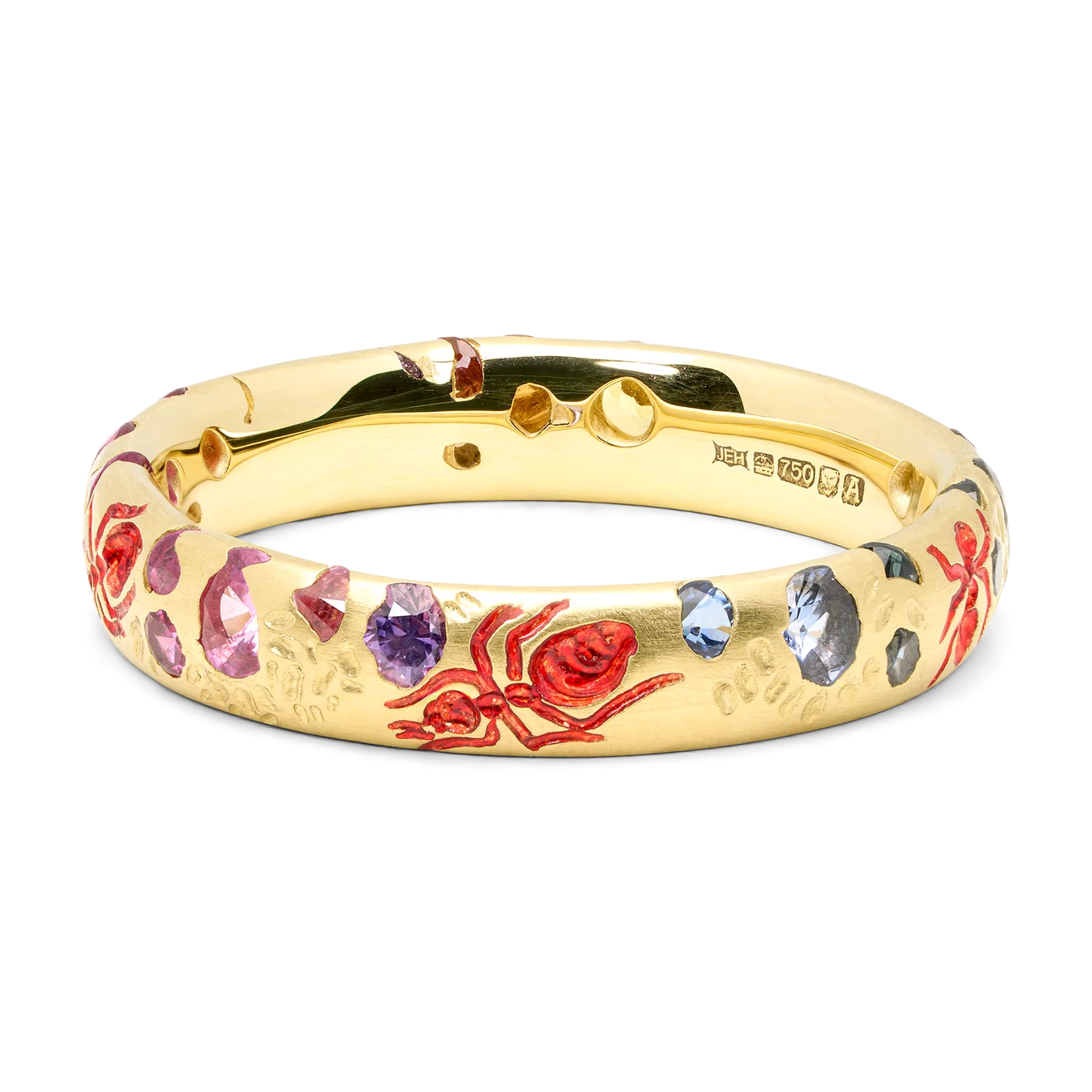
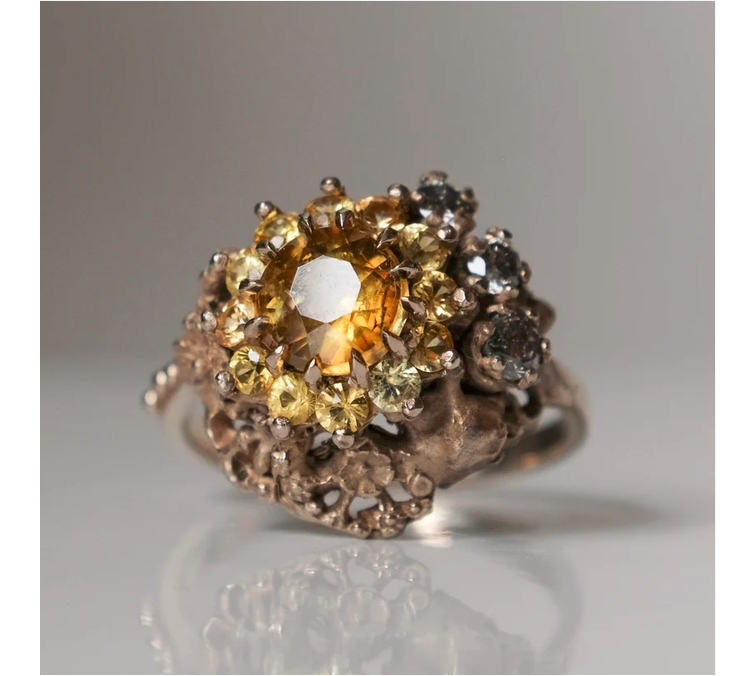
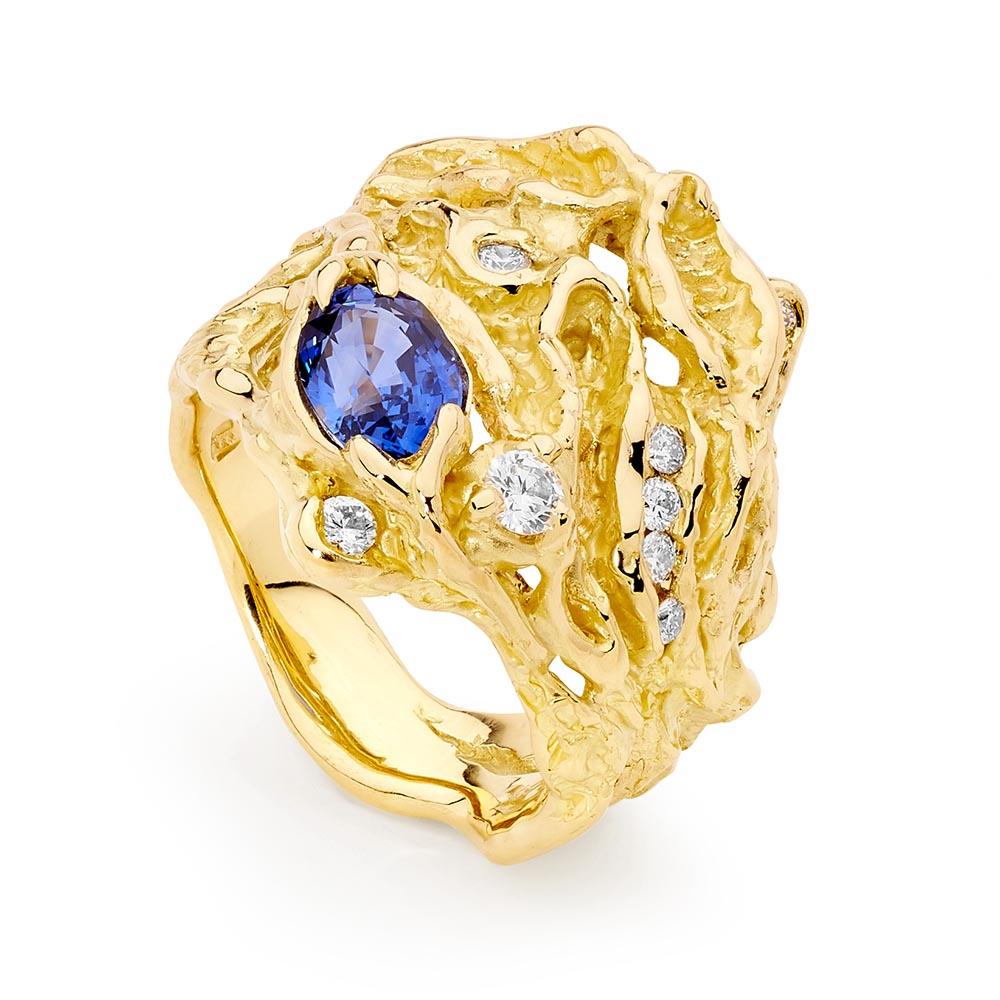
  • Featured Jewellery: I always pick some pieces I think are especially gorgeous. This month we have (above from left) The Gatherers Rainbow Sprinkle Ring, from the Polly Wales x Castro Smith 2026 collab,Charlie Shires Salacia Sphene Ring and Linney’s Sapphire and Diamond Freeform Ring.

If that sounds like your sort of thing, you can sign up over at joopygems.com — and if you’re reading this after the 1st of September, don’t worry, there’ll be another discount along!

Samples, Seconds and Bockety Shapes Sale

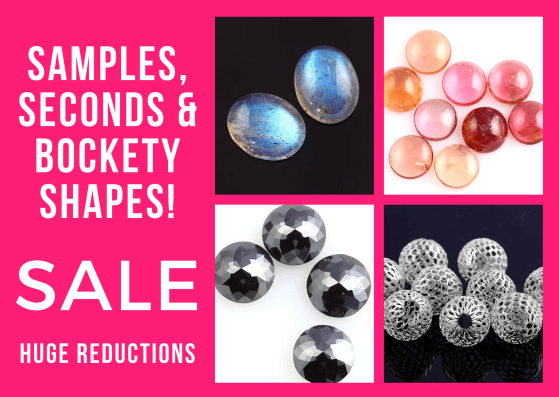
Yes, it’s another of my hugely popular destash sales, this one is more seconds and funny shapes rather than overstock, but there are some really lovely stones at amazing prices; diamond, sapphire, tourmaline, lost of moonstone and labradorite as well as some sterling silver findings. I’m finally admitting to myself that my jewellery making days are over, and so I’m selling off my stash of silver findings! Click here to shop the sale.

https://joopygems.com/categories/samples-seconds-bockety-shapes-sale.html

Final Moving Sale!

As many of you already know, I am moving the business to the UK. It’s been an amazing ten years in Hong Kong but it’s time for me to return to my home now and give the kids some roots. I’m looking forward to daffodils and bluebells, strawberries, clean air and water, decent pubs, so many things! Before I leave I need to drop my stock levels a bit so I am offering a flash sale – 40% off for the next day. Just use code MOVING40 at checkout! This is the last sale I will run before I leave, so don’t miss it! Click here to shop.

joopygems.com
Home is Where the Gems are :-)

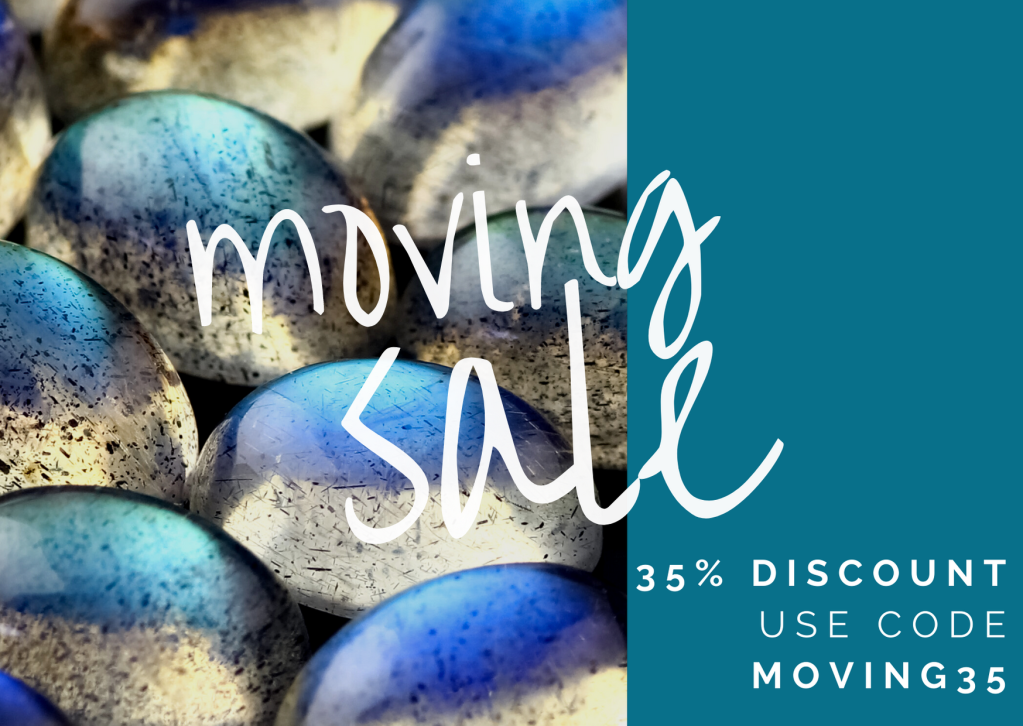
Some of the sharp-eyed among you may have noticed that I’ve been doing more offers than usual and the reason for that is that, after 10 years in Hong Kong we are finally moving back to the UK and Joopy Gems is moving too! I’m trying to reduce my stock levels a bit before returning, to try and reduce the overall cost of bringing them to the UK. I’m doing a time-limited 2 day sale of 35% off all stock – unless stocks fall below where I want them in which case I’ll stop it sooner.

Hong Kong has been really good to us and I’ve loved living there. It is still the most interesting, fascinating multi-layered and vibrant place I have ever lived. Although things have been difficult recently, our return is more due to family reasons – to be close to my mum and for the children to attend school in the UK. I’m excited that I’ll be able to offer a better deal for UK customers – no VAT and no Royal Mail international handling fee as well as fast delivery times. For non-UK customers, there will be little change.

To enjoy the sale, you can use code MOVING35 on pretty much all stock. Click here to shop the sale.

joopygems.com
A Bluer Shade of Pale

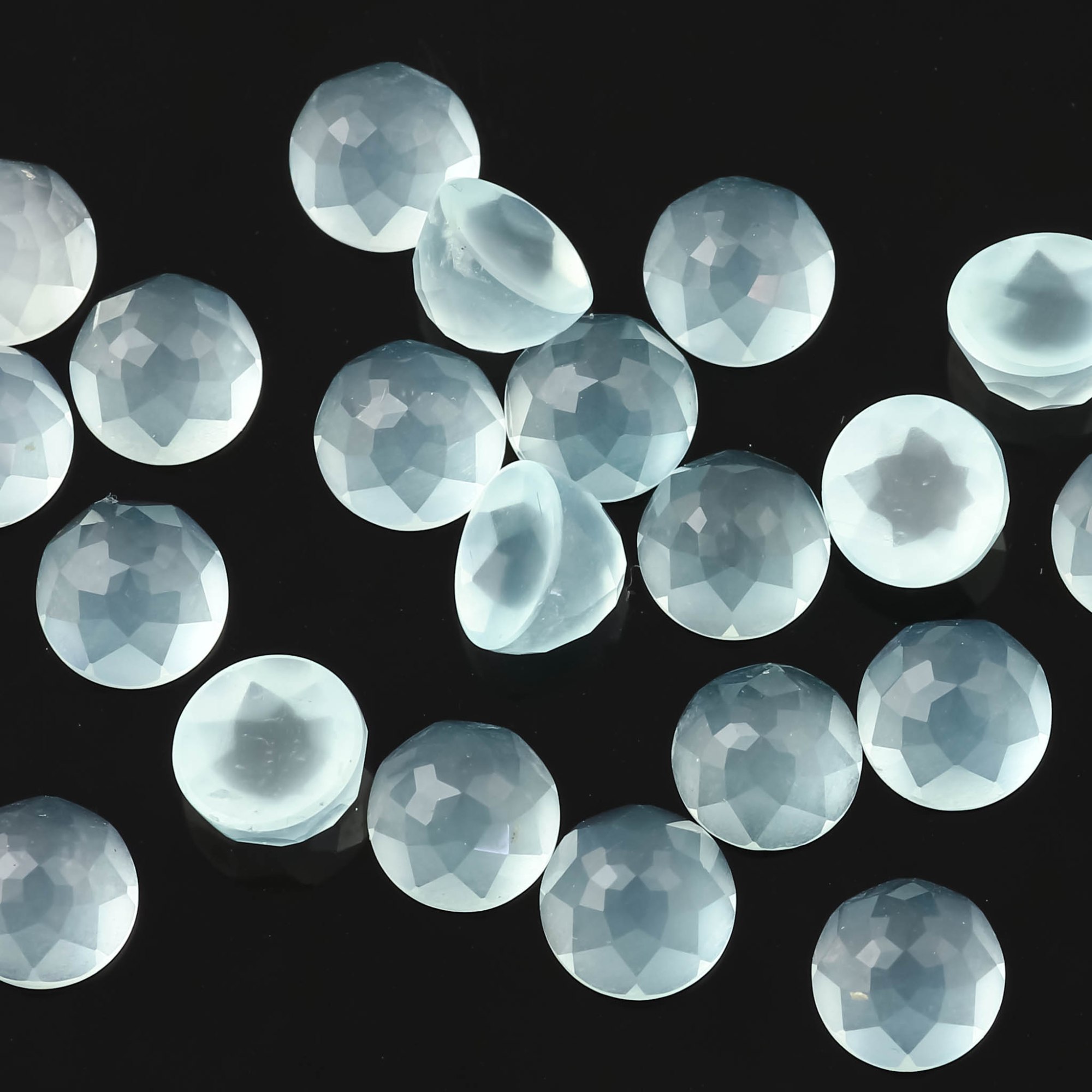
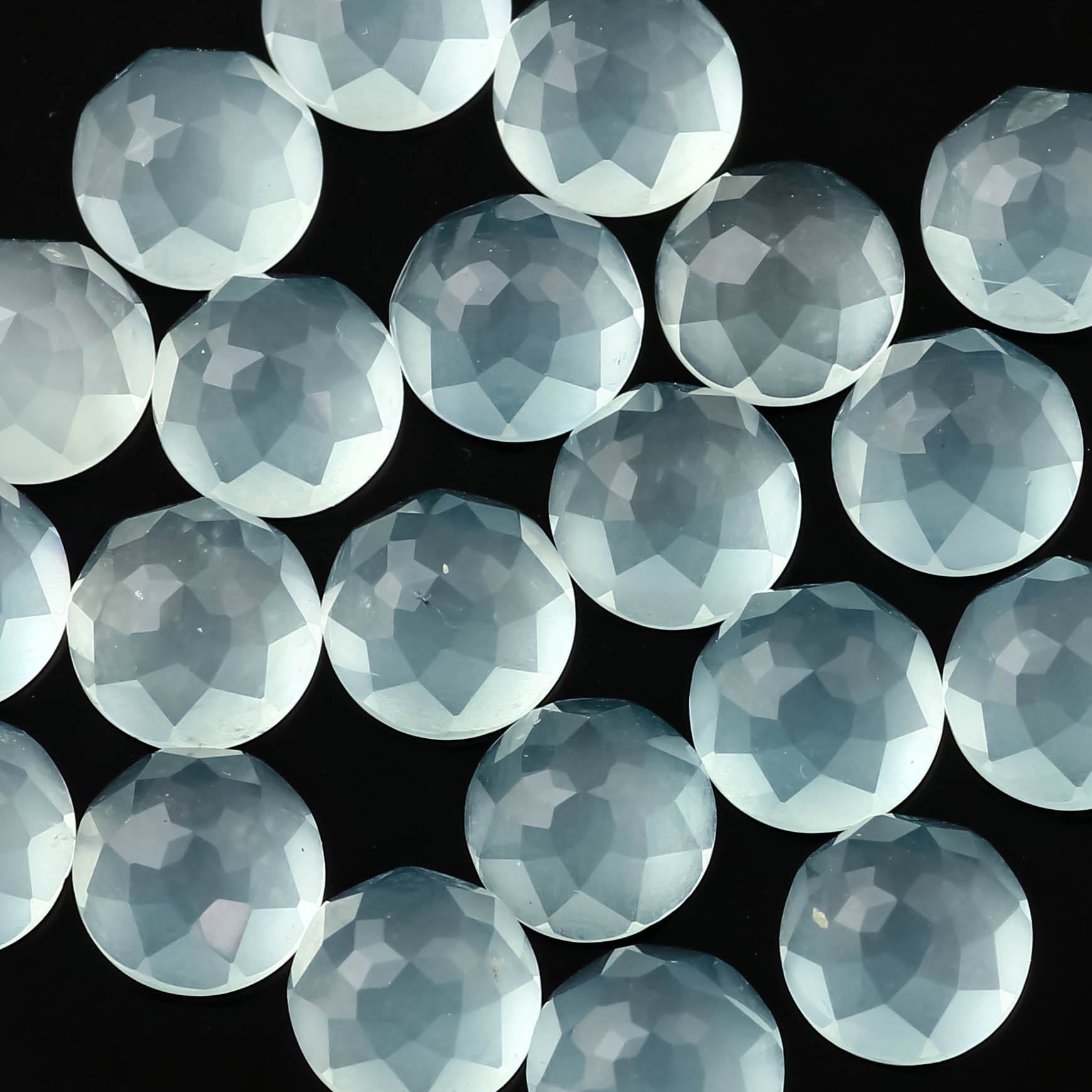
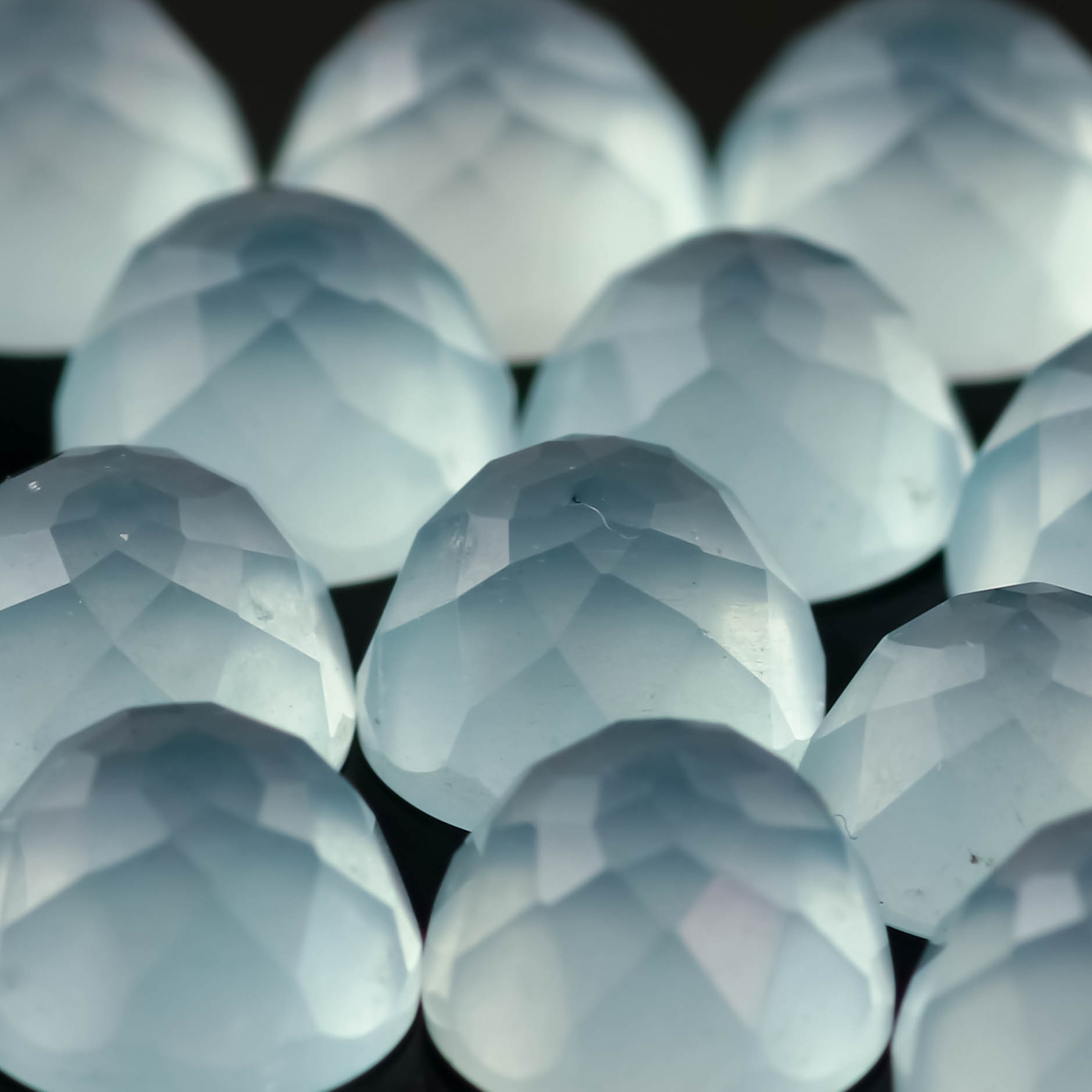
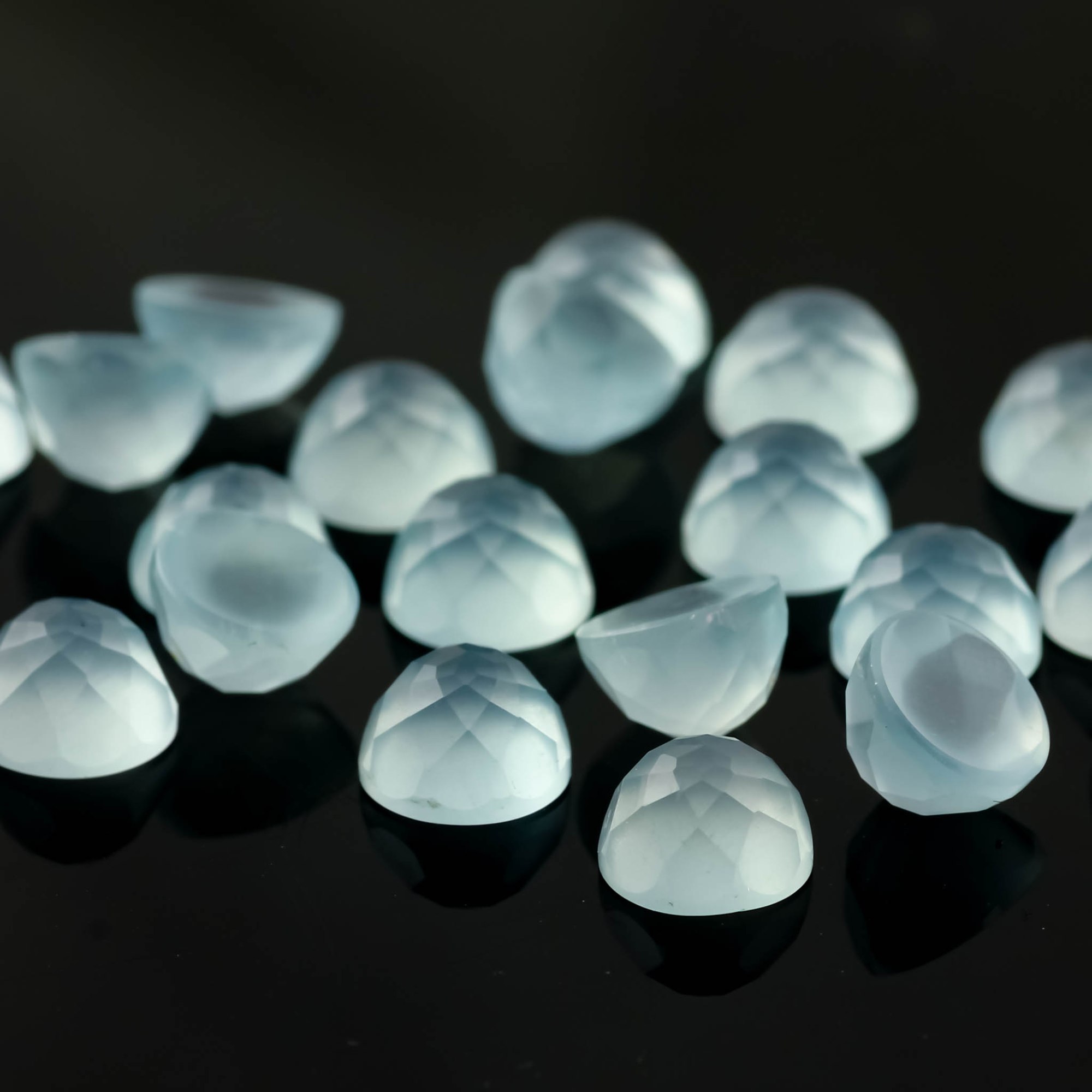
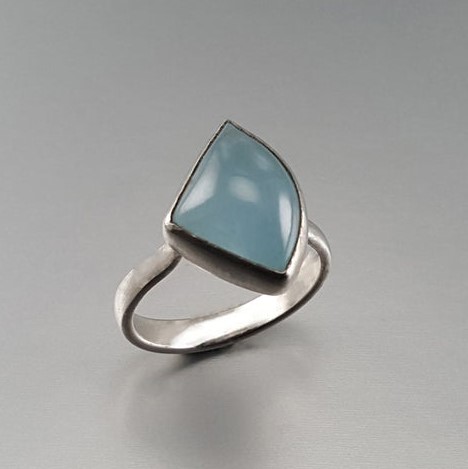
Aquamarine is a really great choice of stone; it’s pretty gemmy without being insanely expensive, it cuts well and takes a really high polish. In its transparent form, it’s more pricey but I just love the milky variety; in lovely shades of pale blue to sea-green, it is misty, hazy and dreamy. It’s common to find this material full of fractures and veils, but when it comes clean with a lovely translucency it is a beautiful, glowing stone. It is named after seawater itself: aqua = water and marina = of the sea and it is in fact a form of beryl, the same mineral as emerald. Unlike emerald, it grows in large and frequently clean crystals so it’s relatively easy to find it in large sizes and in fact can be exceptionally clean. Top colour is a moderately strong blue to greenish-blue. It’s a great jewellery stone and versatile as it’s also exceptionally hard – so a good option for a ring stone. The gemstone for March, aquamarine is offer protection in battle and make the wearer unconquerable; what more could you want! Clockwise from left below: CJ Bijoux aquamarine and 18k gold ring, AF Thomas aquamarine, blue topaz and 18k white gold ring, Gemory Design aquamarine and sterling silver ring and Gems Berry aquamarine and sterling silver ring

We sell a variety of really gorgeous, translucent aquamarine in cabochons and rose cuts as well as rose cut freeforms. To check them out, click here

joopygems.com
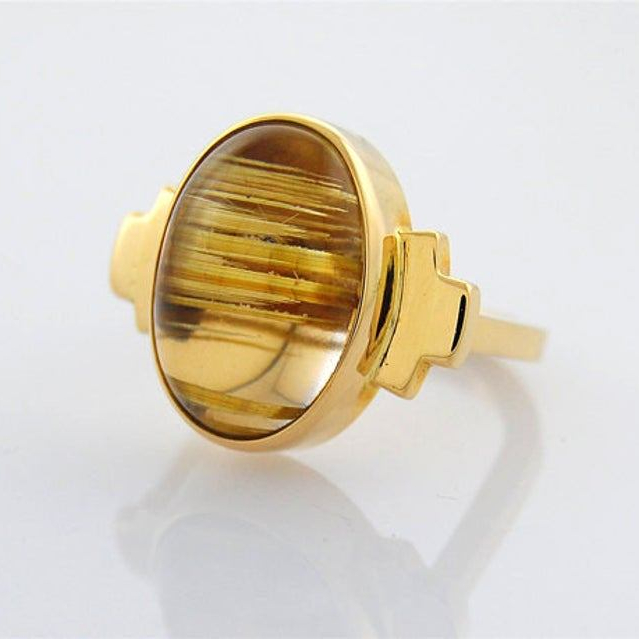
In Praise of Inclusions: Needles

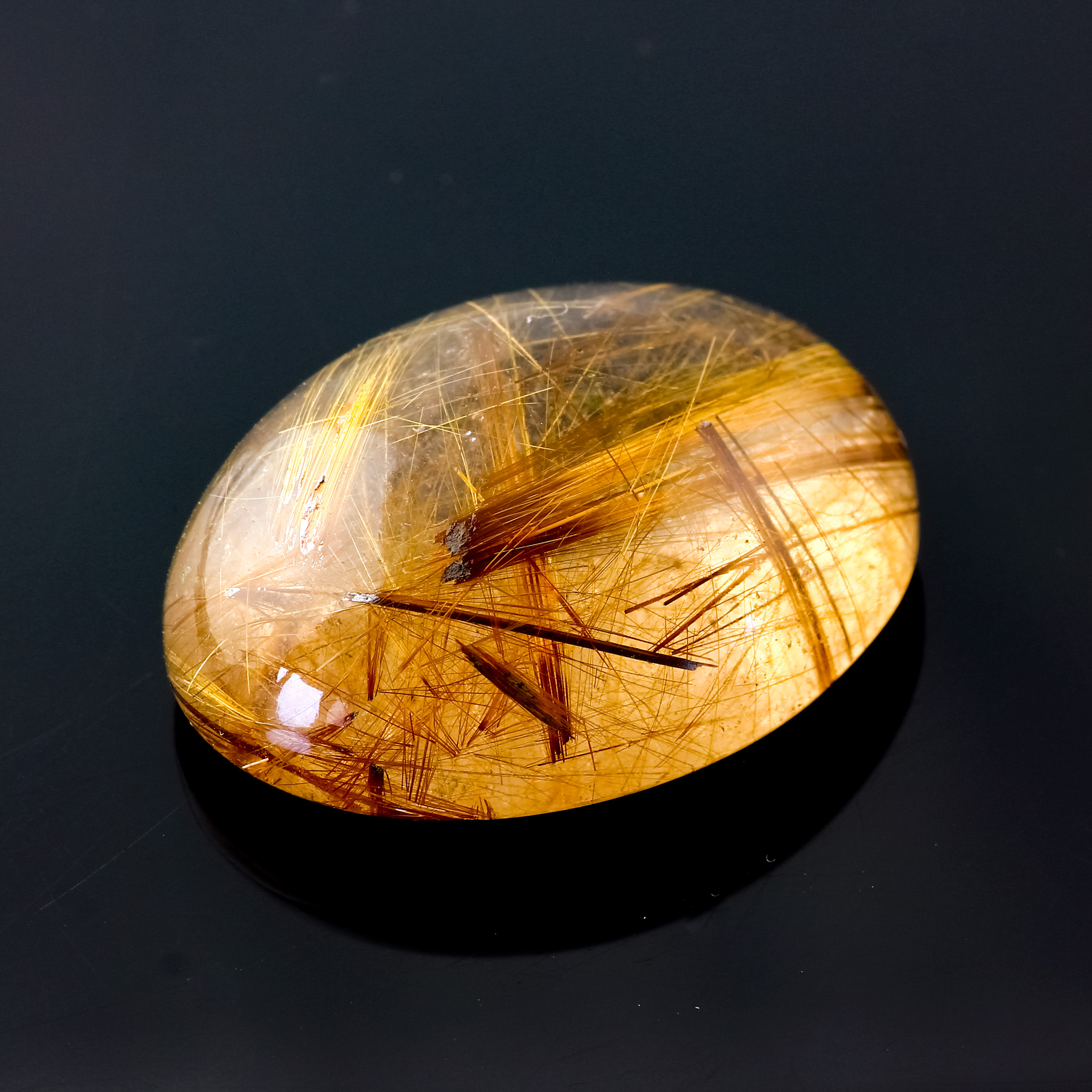
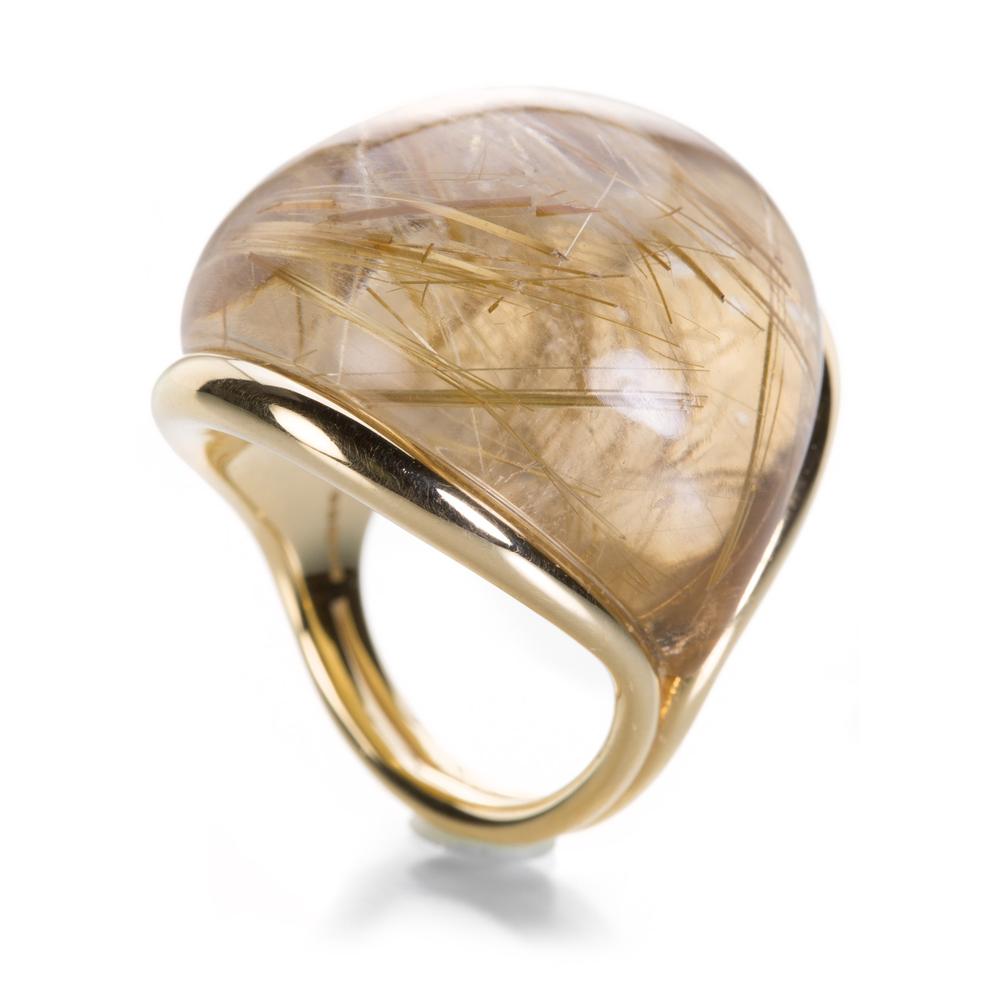
Joopy Gems Golden Rutilated Quartz Cabochon Freesize, 55.81 carats, 29.5x23.2x11.3mm
Golden Rutilated Quartz Cabochon Freesize, 55.81 carats, 29.5×23.2×11.3mm, $184

I’ve decided to do a series of posts on inclusions, as it is simply one of the most frequent topics that comes up with customers. Everyone knows the value of a nice, clean gemstone: no-one wants a diamond with a dirty great fracture, or a ruby with a big black crystal under the table. However, the search for a perfectly clean stone is a bit of a fool’s errand. The GIA no longer uses the term ‘internally flawless’ to describe diamonds as there is simply no such thing; with increasingly powerful microscopes, if you magnify anything enough times, you will find something. But above all, I think we need to reconsider attitudes to inclusions. The GIA doesn’t call them inclusions; preferring the term ‘clarity characteristics’, and if you believe that the very words we use are instrumental in influencing how people feel about a thing then we can see that this is a much less judgemental term to use. They describe clarity characteristics in a stone as ‘the eyewitnesses to its birth’. They can provide valuable information as to how and where it grew, indicate events in its history and sometimes on a broader scale, in the the events and internal turmoil of earth’s history. They can help detect whether a stone is natural or synthetic and provide evidence as to whether the stone has been treated or not. They almost always tell a story. And if you’ve ever held a pile of synthetic rubies in your hand you might find yourself thinking, as I have, that stones without inclusions can have all the appeal of a piece of coloured glass.

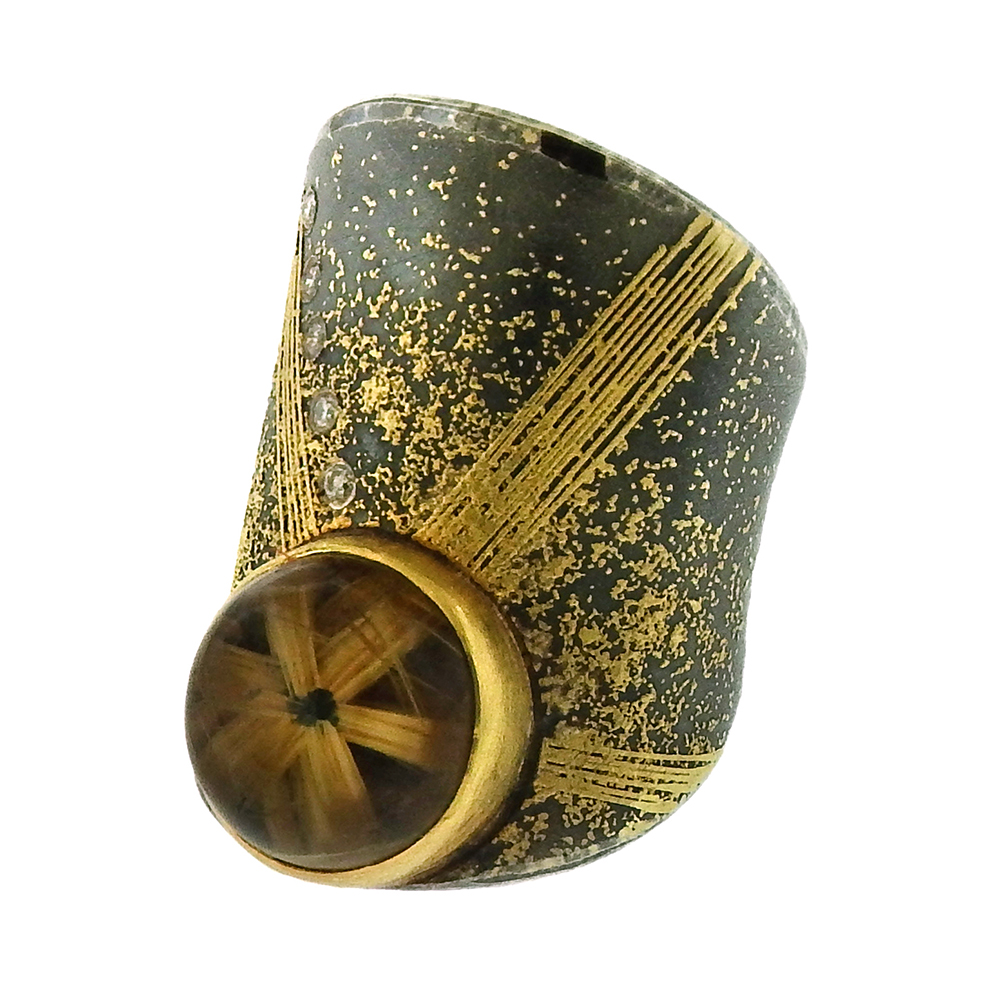
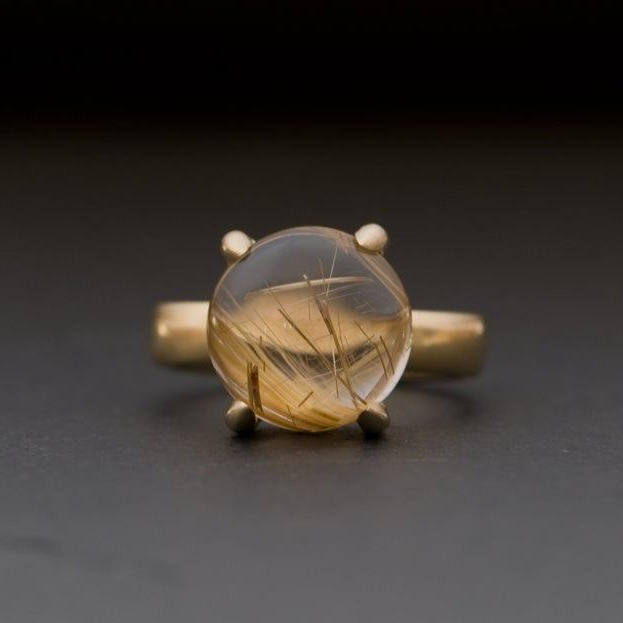
Inclusions are not always bad, either, and that’s my subject today. Sometimes they have a beneficial effect on a stone’s beauty, and that is certainly the case with needles! Needles are defined as long, thin, solid crystals or hollow tubes; if it’s hollow it might be filled with fluid or gas. A group of fine needles is called ‘silk’. Silk is what gives high quality sapphires their soft, velvety appearance, and can give rise to cat’s eyes and stars, if it is oriented along the stone’s crystal planes. Needles to me are at their best when they are present as visible needles in stones such as quartz and prehnite. These stones are desirable precisely because of their inclusions. In quartz, rutile needles can appear gold, copper, red and black. They can occur sparsely or in clumps; they can be thick and coarse, or they can be fine, the so-called angel-hair variety. You can also get rutilated prehnite; a soft, green bodycolour intersected with striking black needles. When we talk about inclusions it’s easy to see this as always having a negative connotation but it simply isn’t so. Rutilated stones really need only a simple, beautiful setting to show them off to their best, however, I love the setting below, where the design on the body of the ring echoes the spokes of the rutile in the quartz.

Peter Schmid: Rutilated Quartz Ring
Peter Schmid: Rutilated Quartz Ring, $4950

Fernando Jorge Rounded Rutilated Quartz Ring
Fernando Jorge Rounded Rutilated Quartz Ring, $7830

William White Big Rutilated Quartz Cabochon Ring in 18K Yellow Gold
William White Big Rutilated Quartz Cabochon Ring in 18K Yellow Gold, $1100

Sasa Jewelry Rutilated Quartz Ring
Sasa Jewelry Rutilated Quartz Ring, $950

To shop our collection of rutilated stones, please click here. Next time I’ll be talking about the dreaded fractures!

joopygems.com
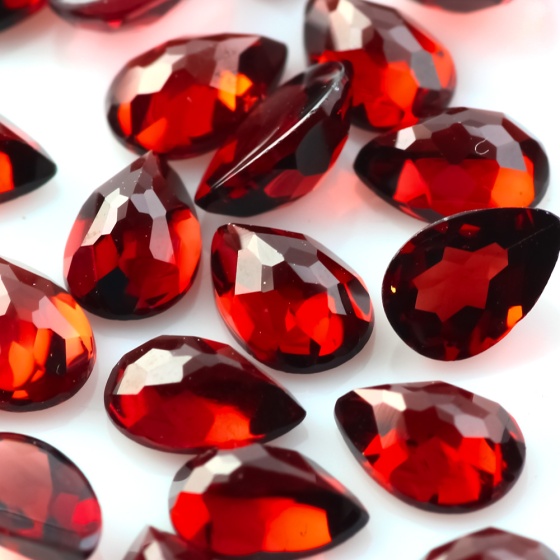
Almandine Garnet 6x4mm Rose Cut Round Cabochon

Not Your Grandmother’s Jewellery

This slideshow requires JavaScript.

What could I be talking about except garnet! You know what I mean; dull, rusty red stones set in gold-plated filligree. Nope. It’s just not fair. Garnet is one of the most exciting and varied of gemstones. It’s got a very wide colour-palette and price-wise it varies from the highly reasonable almandine to tsavorite at the top-end. It is also the birthstone for January.

Garnet has particular gemmological properties that make it reasonably straightforward to cut – it is what is known as singly refractive so what this means in real terms is that it is not at all pleochroic and therefore cutters don’t have to worry about what angle they are cutting it to make sure they are getting top colour. Many varieties also have a relatively high refractive index. What does this mean? Well, it is a measure of what happens when light hits a stone – a high index means that much of the light is reflected back to your eye; a low index means that much of the light passes right through. In real terms, stones with higher refractive indices are more sparkly. With the darker stones it’s not so obvious, but the sparkle on some tsavorites is simply amazing. See below and bottom for some examples of seriously stylish garnet jewellery.

Left to right: Ananda Khalsa Garnet Stud Earrings with Two 22k Dots, $440, David J Thomas Tsavorite Garnet and 18k Gold Ring, Coffin & Trout Spessartite Garnet, Rubellite & 18K Gold Pendant

Colour and Varieties

Red is the best-known colour of garnet, and the type that most people think of when they think of garnets is almandine. This commonly comes up very dark, what we call ‘closed’, and especially in larger sizes; however, it can be the most beautiful shade of deep blood-red. I have some almandine pears which just make me think of Sleeping Beauty every time I see them!  In fact, the name ‘garnet’ comes from the Latin word ‘granatum’ which means ‘dark red’. Pyrope garnet is also red; you see it more rarely and it often has a slightly pinker note to it – it lacks the rustiness you can sometimes get with almandine. For a more pronounced pink colour there is rhodolite which ranges from pinkish red to a deep raspberry pink. For orange, there is hessonite, with its gorgeous swirling inclusions, and more expensively, spessartite. Malay garnet runs from yellow-orange to a lovely pinkish orange. Then you get the greens; hydrogrossular garnet with its black inclusions, yellowish-green demantoid with its horsetail inclusions, and vivid green, sparkling, firey grossular garnet, more commonly known as tsavorite. This is one of my favourite stones and I would take it over emerald any day. Garnet is also a really good choice for anyone who is not keen on gem treatments as it is not routinely treated with heat or anything else.

Clockwise from top left: Jane Taylor Malay Garnet and 14k Gold Ring, Vintage Tsavorite Garnet & Diamond Invisible Set Cocktail Ring 14k Gold, Quadram Hexagon Almandine Garnet Ring,  Pamela Huizenga Hydrogrossular Garnet & Diamond Earrings, William White Hessonite Garnet and Sterling Silver Ring, Henn of London Spessartite Garnet and 18k Gold Necklace

I’ll be doing posts on individual types of garnet so keep your eye out for those. I have a large variety of garnet stones; click here to browse the collection.

joopygems.com

Chryscolla, Tourmaline, Druzy, Lapis Lazuli and more…!

June 2018 newsletter header 4(1)

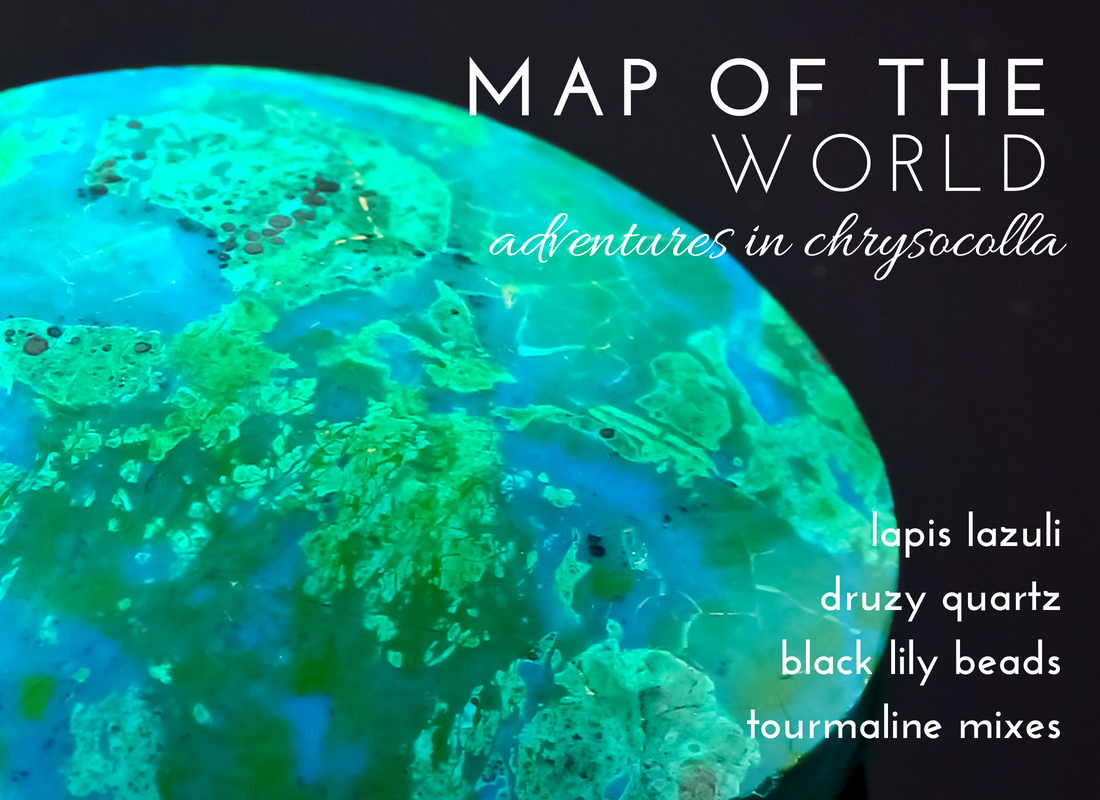
My June newsletter is out, and it’s crammed full of new gemstones, including this fantastic chrysocolla – doesn’t it look like the earth from space?! I’ve also got druzy slices, black lily beads (fab!) and mixed lots of rose cut tourmaline (buying in lots gives you a 35% or so discount off the price for single stones), lapis lazuli and sodalite beads. Plus as promised I’ve got price drops on some established lines and I’ll be doing my best to keep prices down this year. Check out my newsletter here: http://bit.ly/2sFgcf5  . Newsletter readers are always the first to learn about new stock and discounts, and some are exclusively for newsletter readers. Why not sign up at https://joopygems.com/ to make sure you never miss out?

joopygems.com

Show yourself some love!

Valentine's day FB post-1

It certainly is, with 20% off your entire order from now until Friday 16th February (midnight EST). I’ve got new rose cut freeforms, new beads and so it’s the perfect time to stock up! Oh, and if you fancy that fabulous heart-shaped pink tourmaline in the picture, you can find it here! All over at joopygems.com, discount code for your 20% as in the pic, LOVEGEMS
joopygems.com