
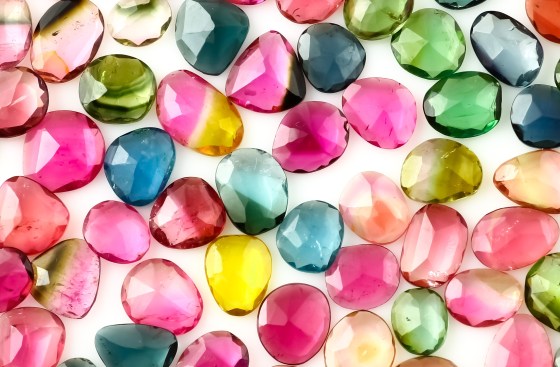

John Ruskin said, ‘The making of tourmaline is more like a medieval doctor’s prescription than the making of a respectable mineral’. This refers to the extraordinary colour range of tourmaline, completely unparalleled, which amusingly does not necessarily relate to the chemical composition. Yes, that’s correct; there is no simple relationship between composition and colour! And tourmaline stones are named more for their colour than their composition. It’s complicated, but lets break it down a bit.
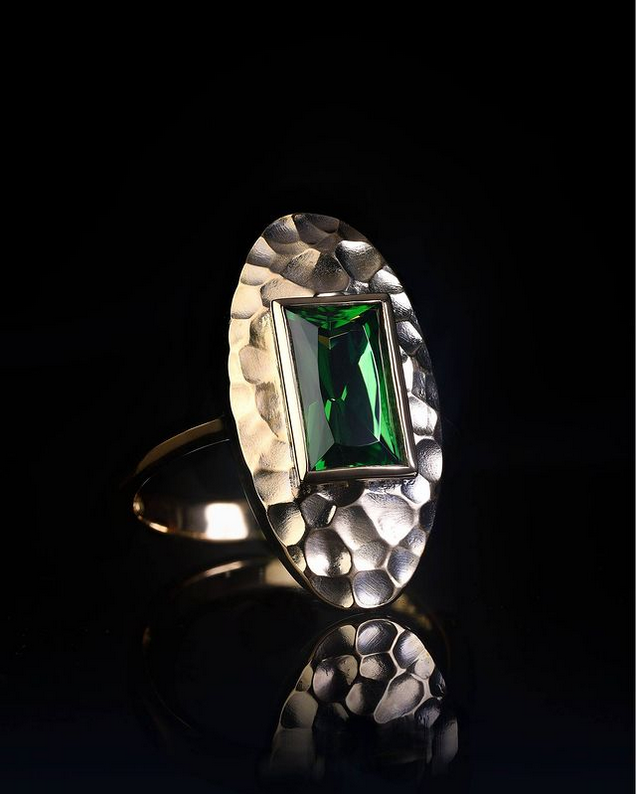
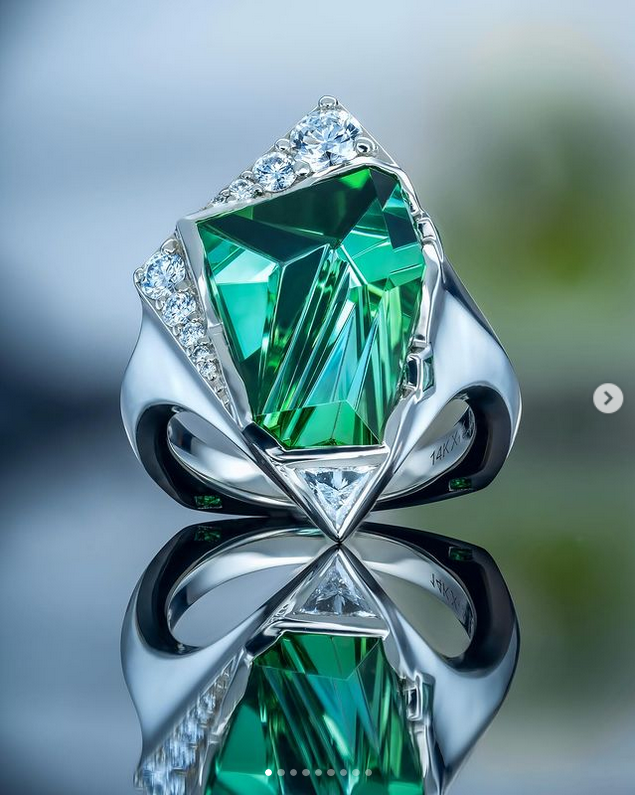
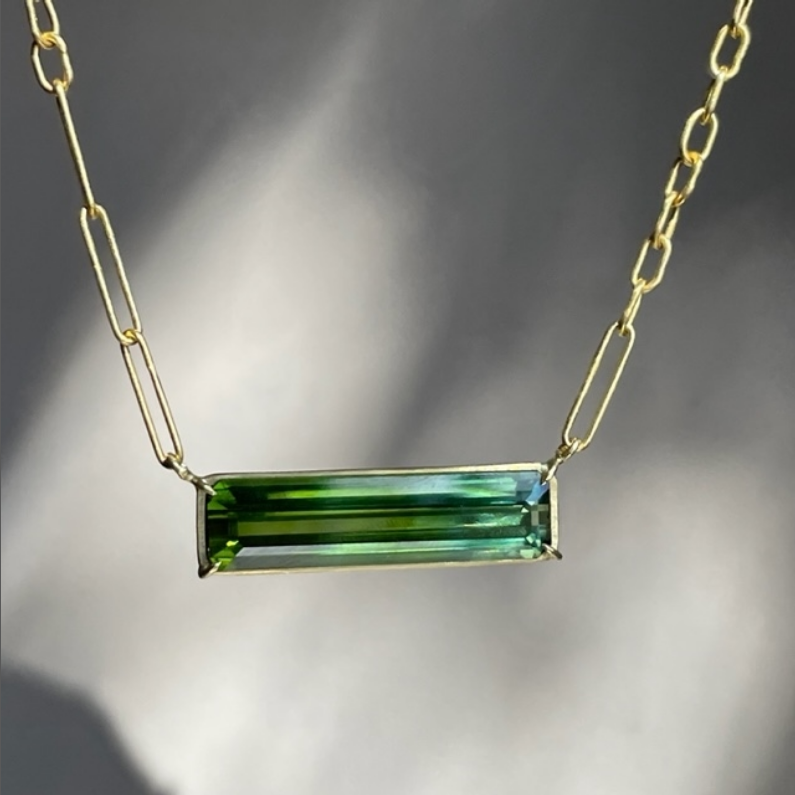
The name comes from the Sinhalese word ‘toromalli’ meaning ‘mixed gems’, a term that the Dutch merchants in Sri Lanka applied to the rough, water-worn pebbles found in the gem gravels. It has been routinely confused with other gems; emerald, ruby for example, and it wasn’t until a few centuries after the first stone had been discovered, and confused with emerald, that it was recognised as a separate species. It is small differences in chemical composition that give tourmaline its differing colours. If you look at tourmaline as being a collection of related mineral species that have the same crystal structure but slightly differing chemical and physical properties, that helps to explain. They are all silicates – silicates being compositions of silicon and oxygen, and making up some 95% of the earth’s minerals, so very common. They all share certain elements – fluorine, boron, aluminium, but contain differing levels of other elements: sodium, lithium, calcium, magnesium, manganese, titanium, copper, and iron.
A tourmaline’s chemical and physical properties are used to define its species: elbaite, liddicoatite,
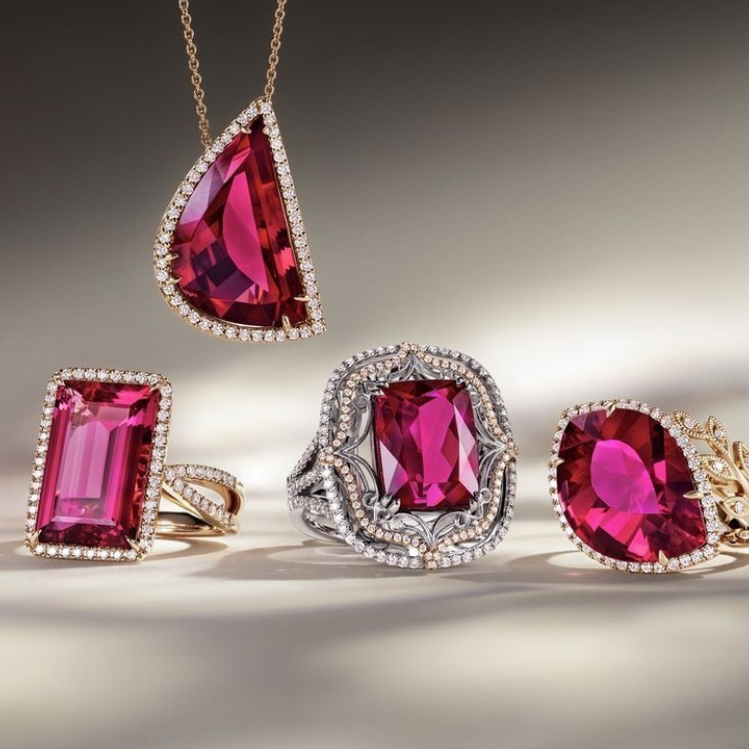
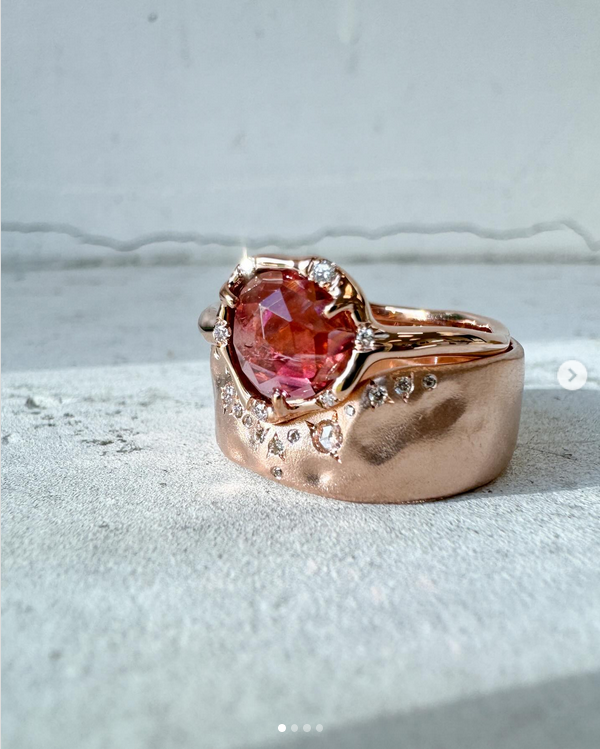
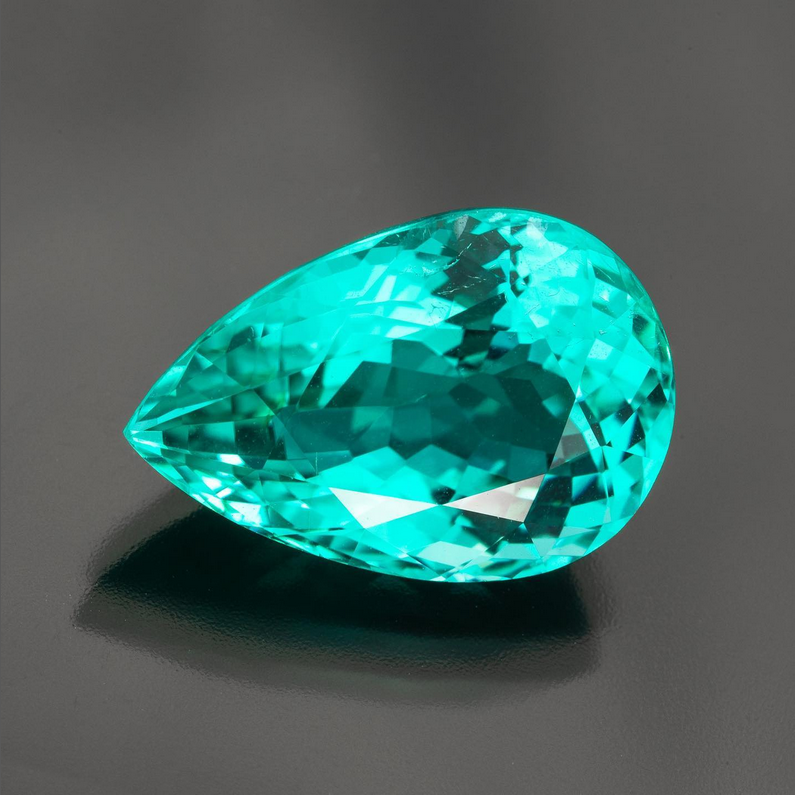
dravite, uvite, and schorl. However, each species will demonstrate a variety of colours. So you can’t say elbaite is pink, liddicoatite green and so on, although schorl is always black. This is what I mean when I say that tourmaline is referred to by colour rather than species. So intense hot pink tourmaline is called rubellite, blue to teal is called indicolite, green tourmaline is verdelite and paraiba is an intense neon turquoise, named for the state in which the gem producing mine was found.
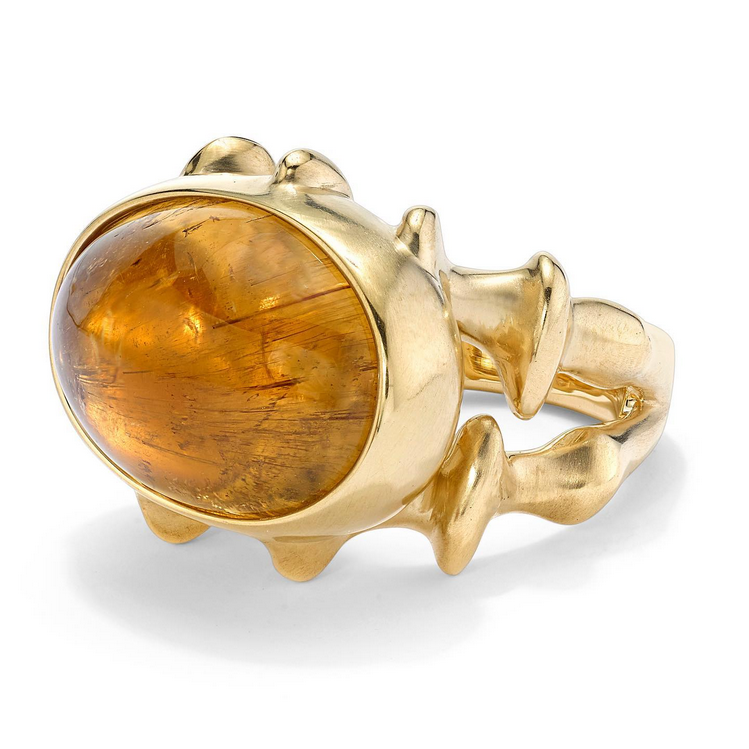
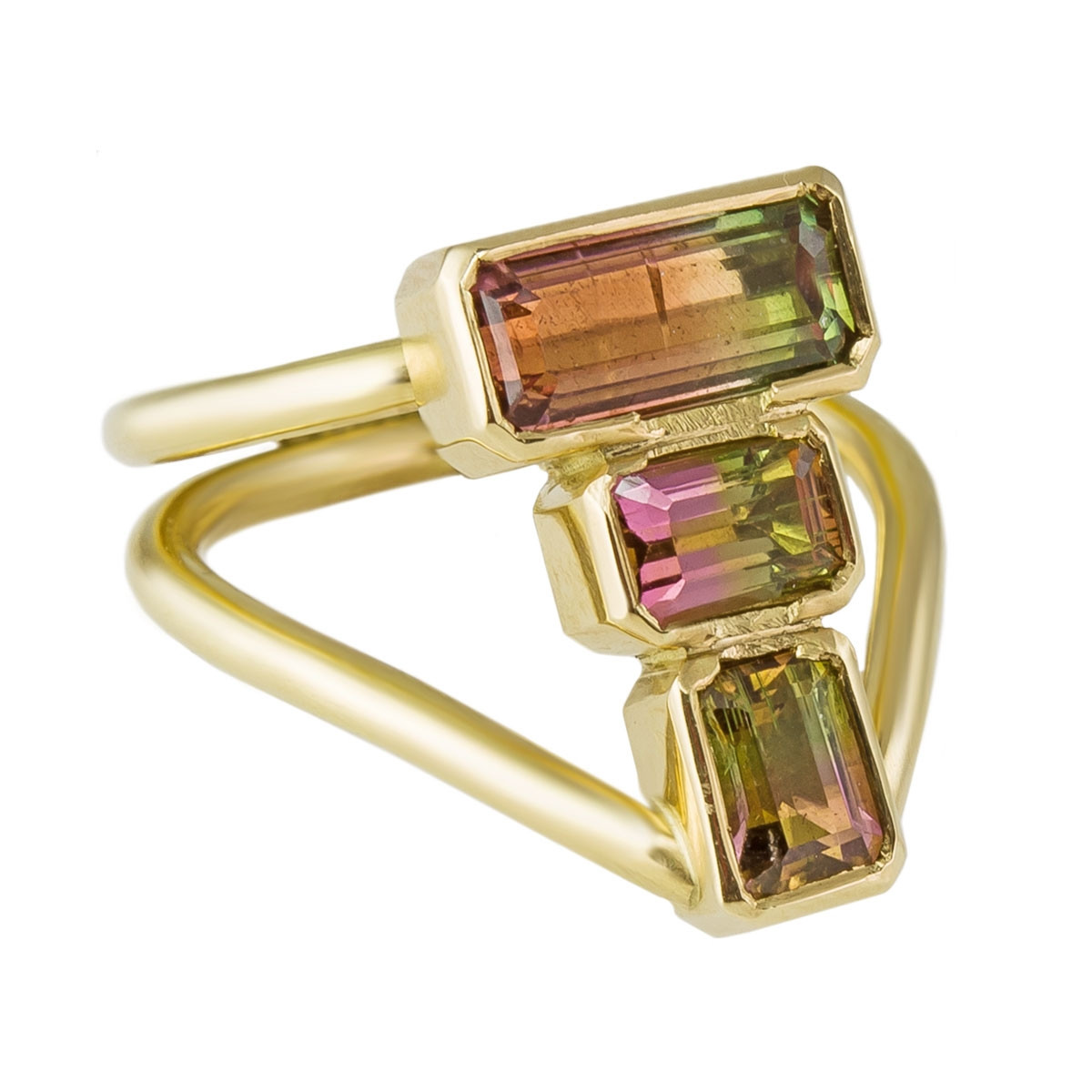
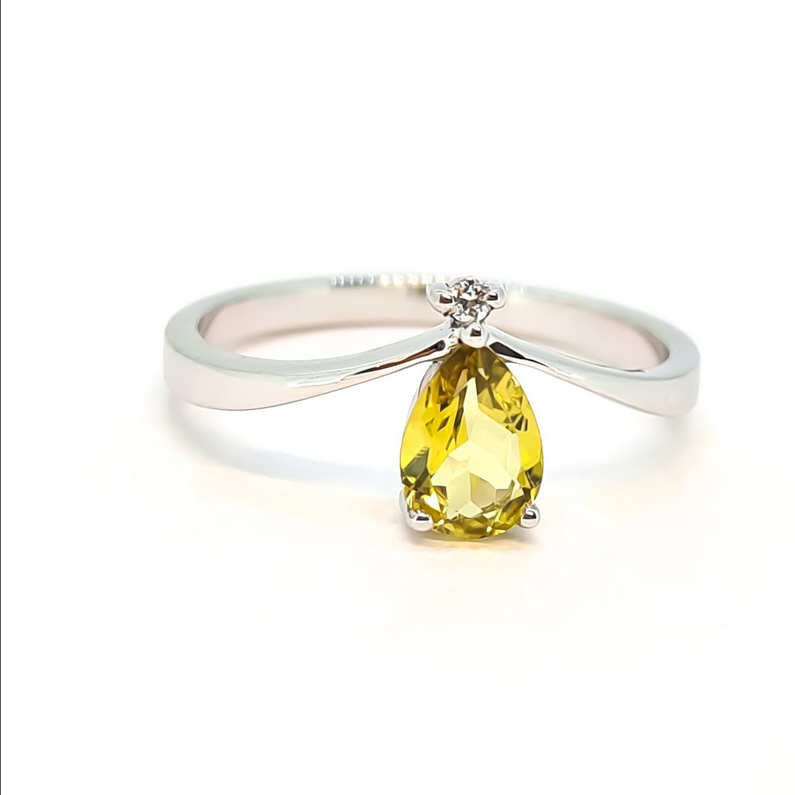
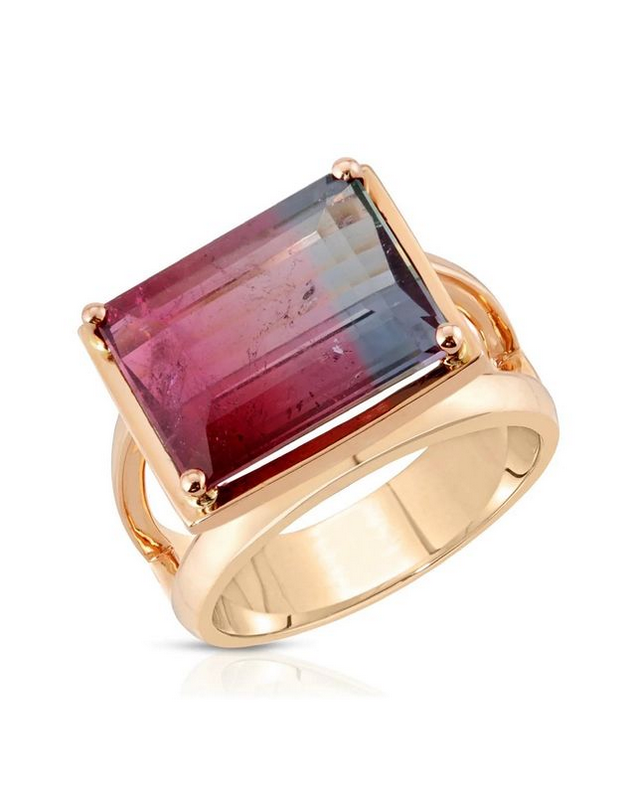
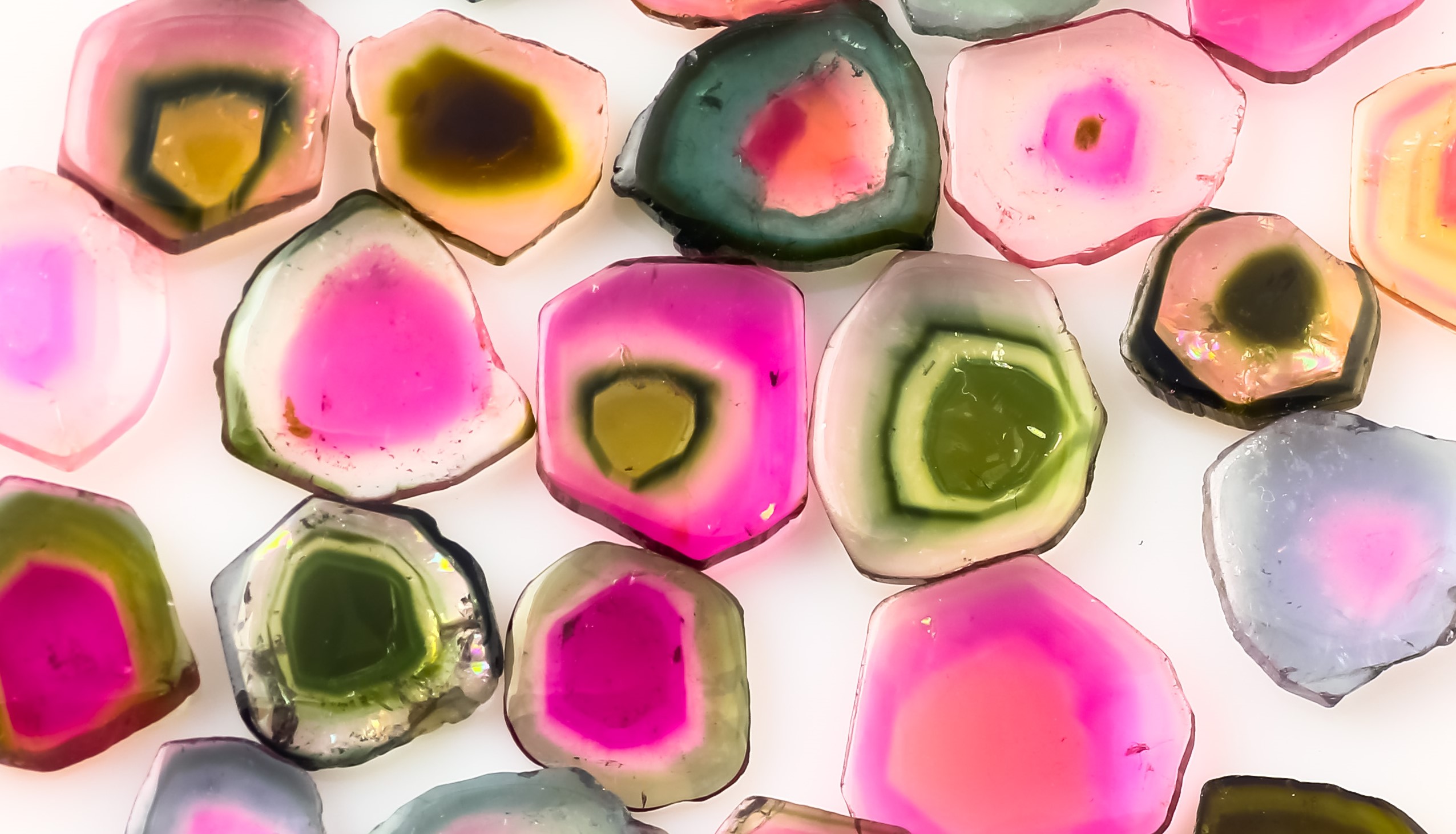
The most fascinating, though, for me is the parti-colour and bi-colour stones. This tends to happen with the liddicoatite species, and it occurs when the trace elements change in either concentration or composition during the crystal’s growth. This can give rise to really striking patterns, and these stones can be cut as slices if the colour zoning occurs parallel to the length of the stone, familiarly known as ‘watermelon’ tourmaline. This term was coined for those stones with the bright pink interior and green rim, but can and is used for any slice with particolour characteristics. Alternatively the zoning can take place across the length of the stone which gives the half and half effect on a long crystal. Another very valuable type of tourmaline is known as chrome tourmaline, and this is a very vibrant green colour, and this is of either the dravite or uvite species, or a combination of both. Whilst these normally produce yellow to brown coloured crystals, when vanadium or chromium is present, they will come up bright green.
Because tourmaline crystals tend to grow long and narrow, with those very distinctive striations down the sides, you often find them in very non-standard sizes and they can be harder to find in more familiar, calibrated forms. You can only really cut them along the length as the stones tend to be dead down the length, or in very thin slices. Tourmaline is extremely strongly pleochroic, and one colour is typically much darker than the other. When you consider also that tourmaline absorbs more light down the length of the stone rather than across the width, a crystal that appears, say, light green across the width of the stone may well appear almost black down the length.
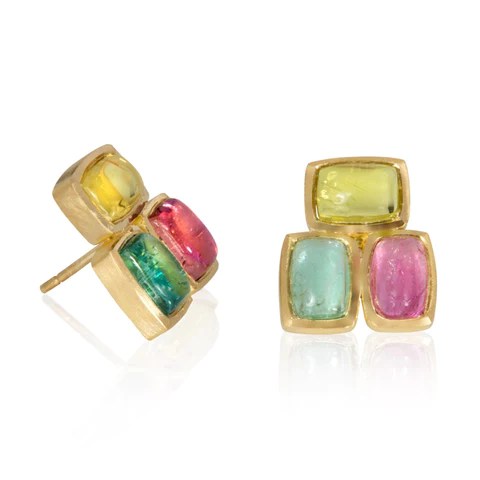
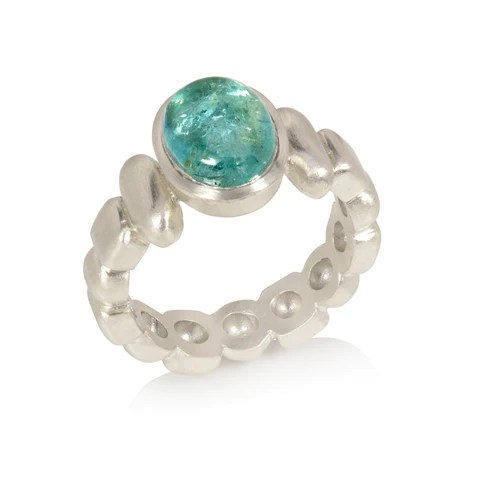
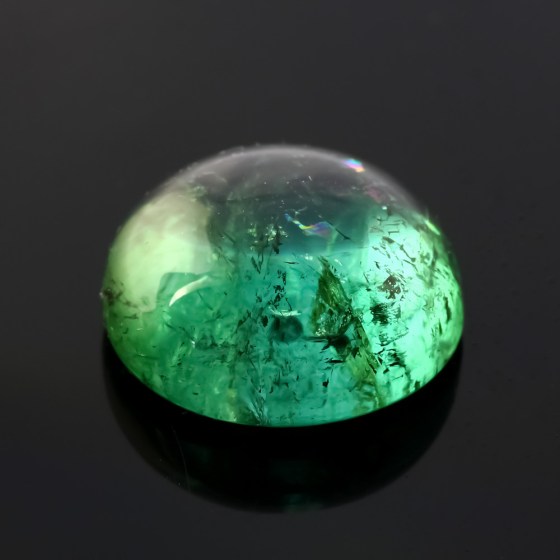
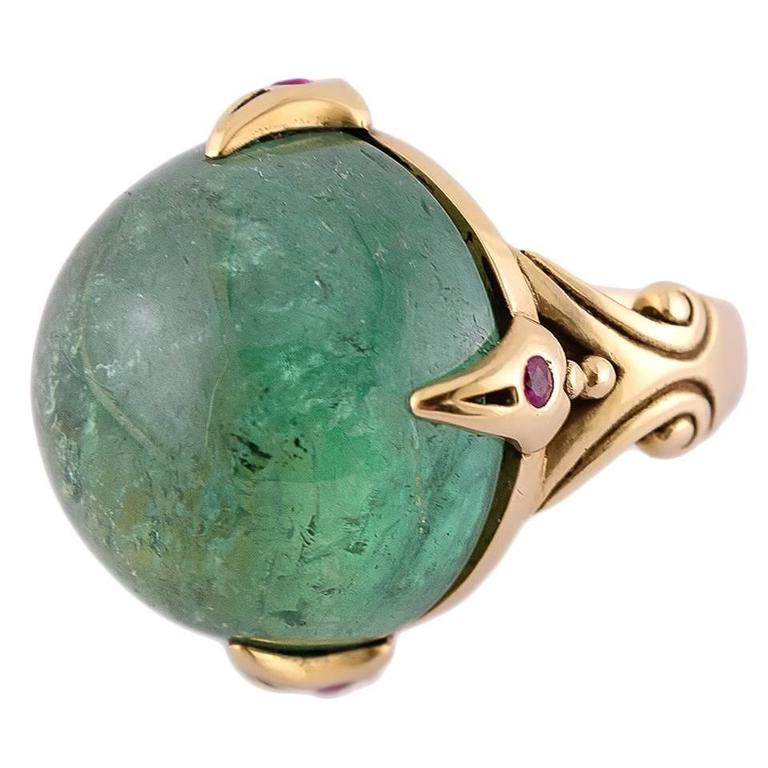
You can also get chatoyant tourmaline, although the fibres are relatively coarse, and tourminalted quartz. Schorl is not used much these days but was popular in Victorian times as mourning jewellery, as it was a great deal tougher than jet. As always, to shop my tourmaline, click here
joopygems.com

 Joopy Gems | The Blog