
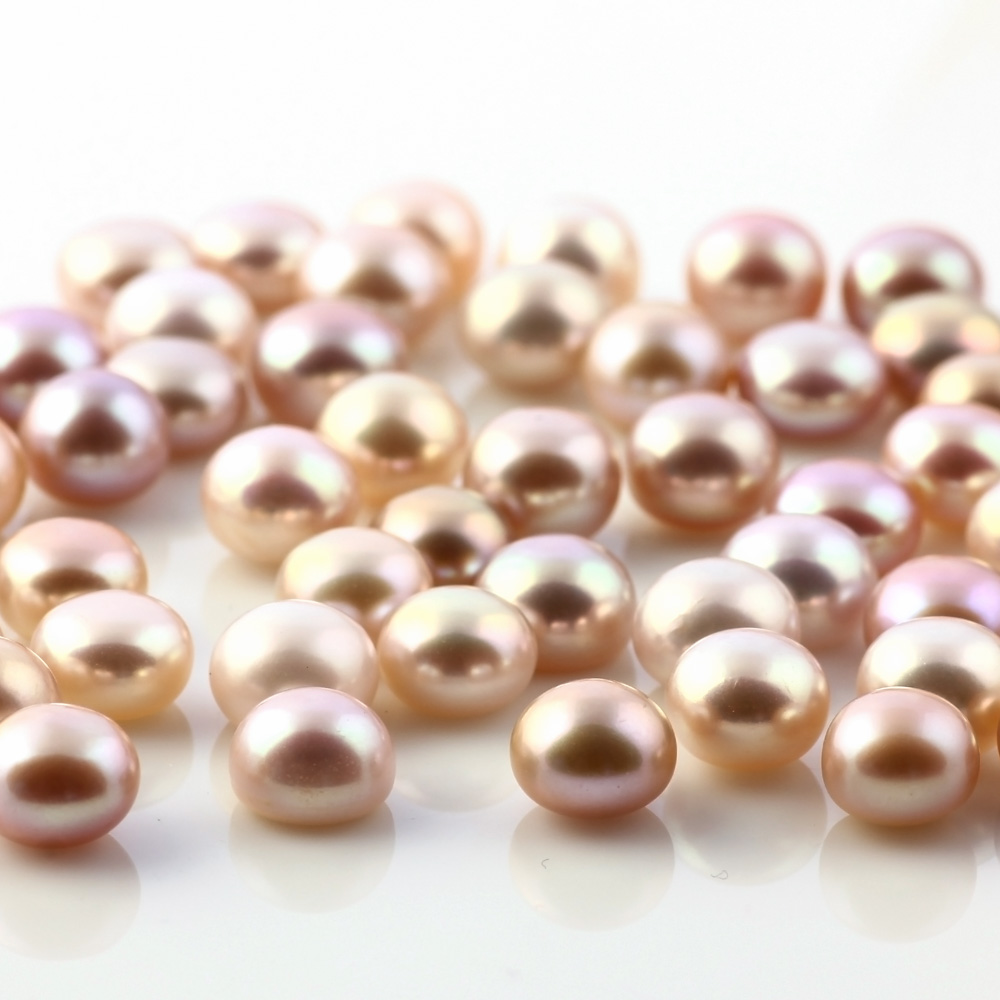
Purple Cultured Freshwater Pearls 7.5-8mm 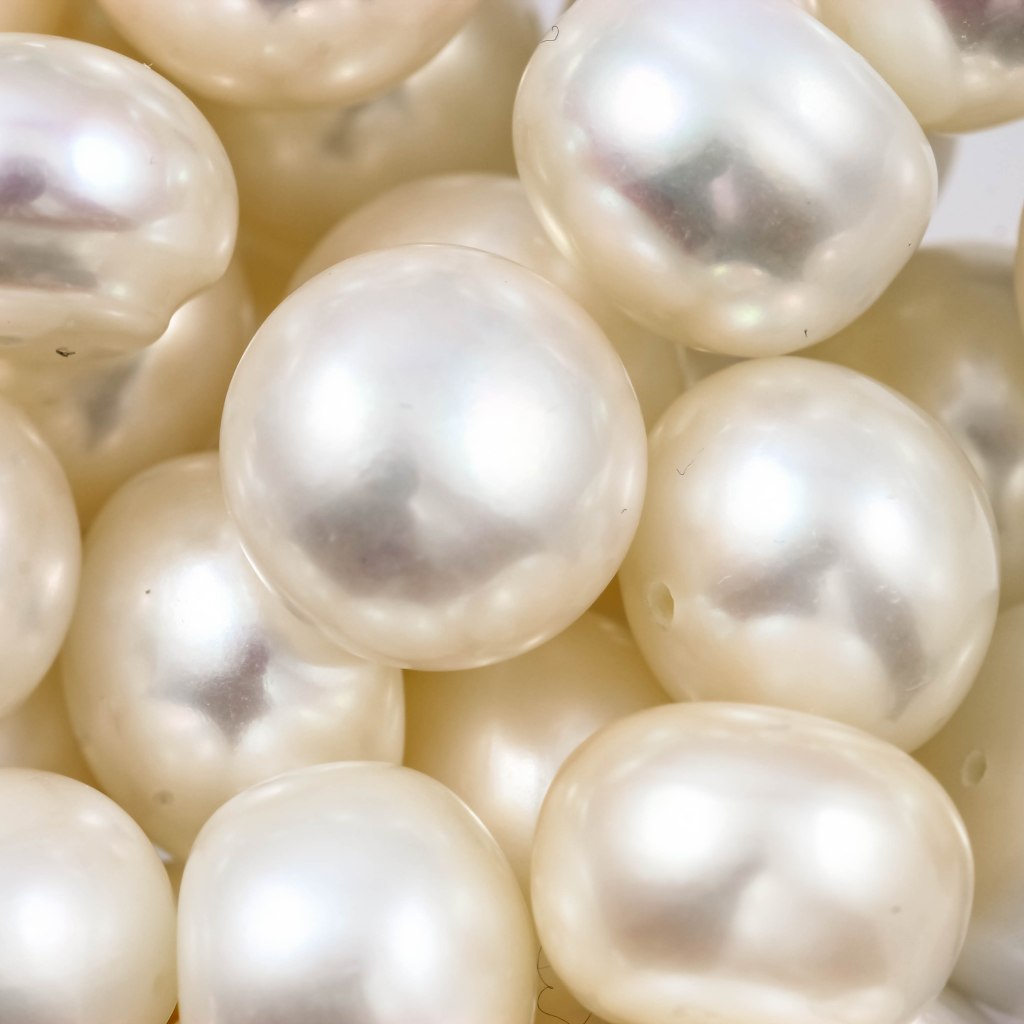
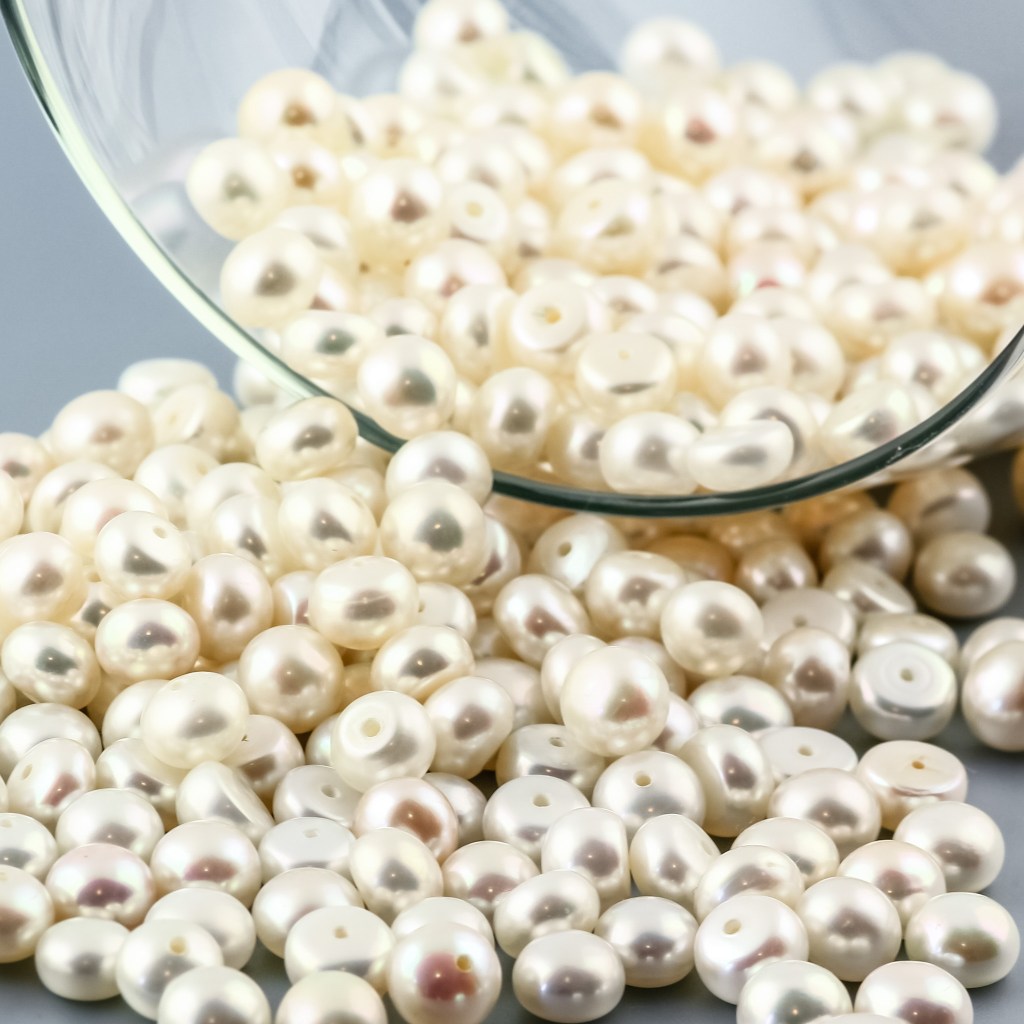
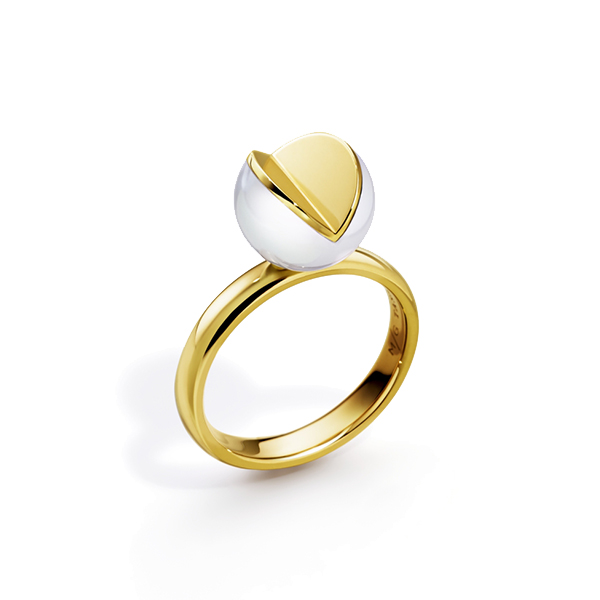
White Cultured Freshwater Pearls 10-10.5mm 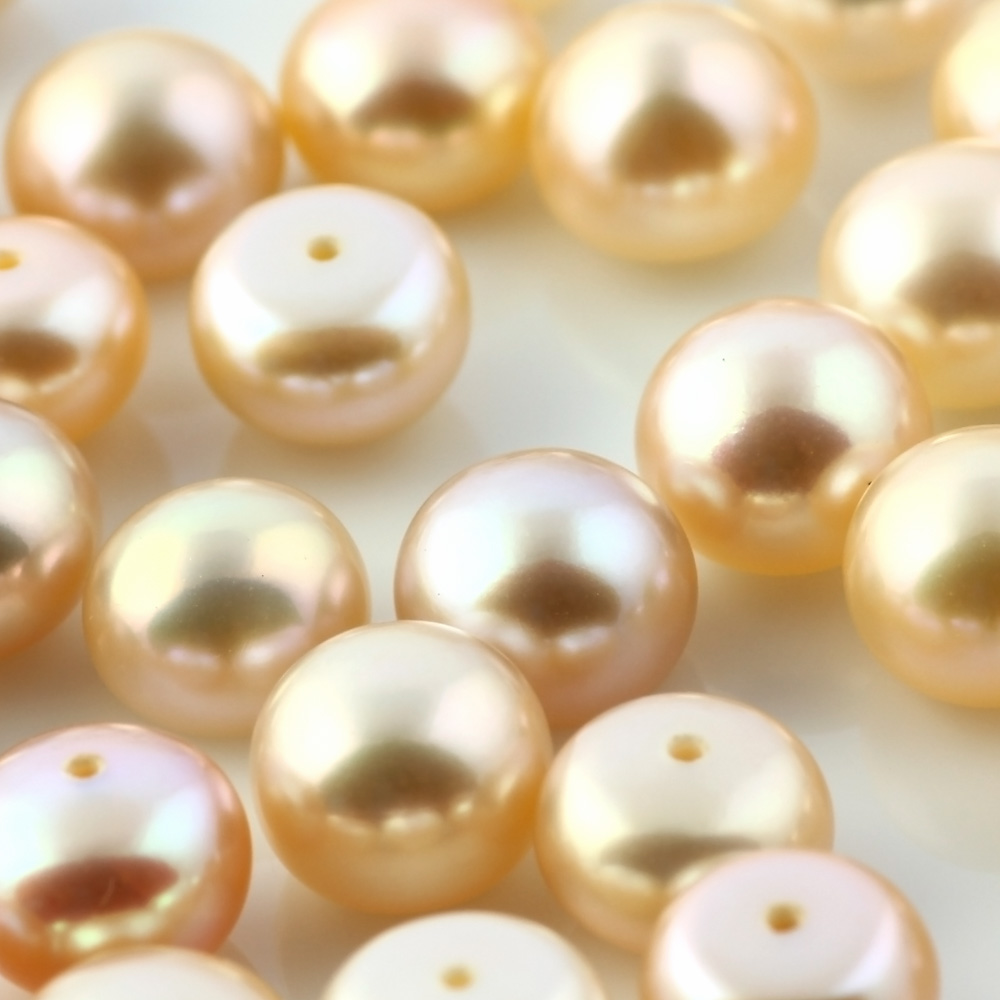
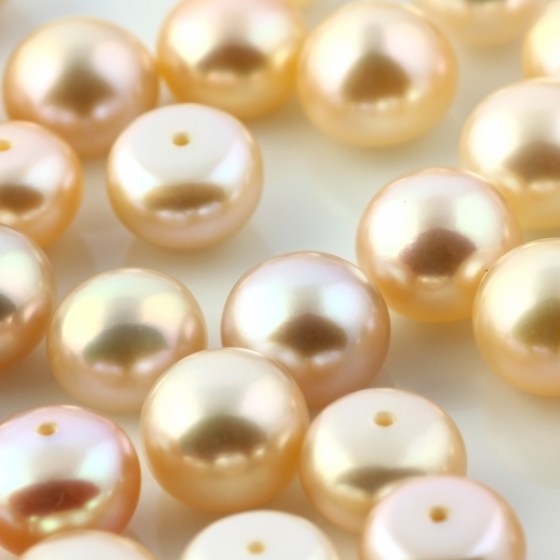
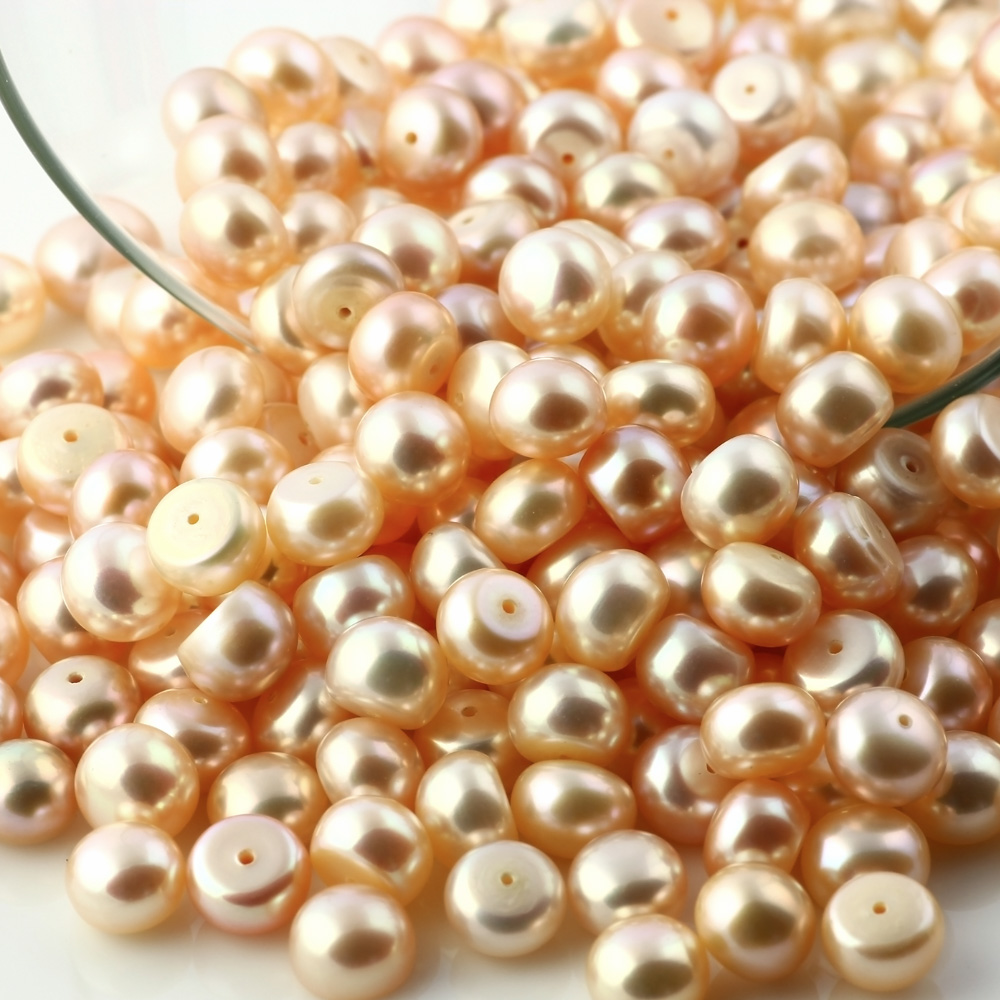
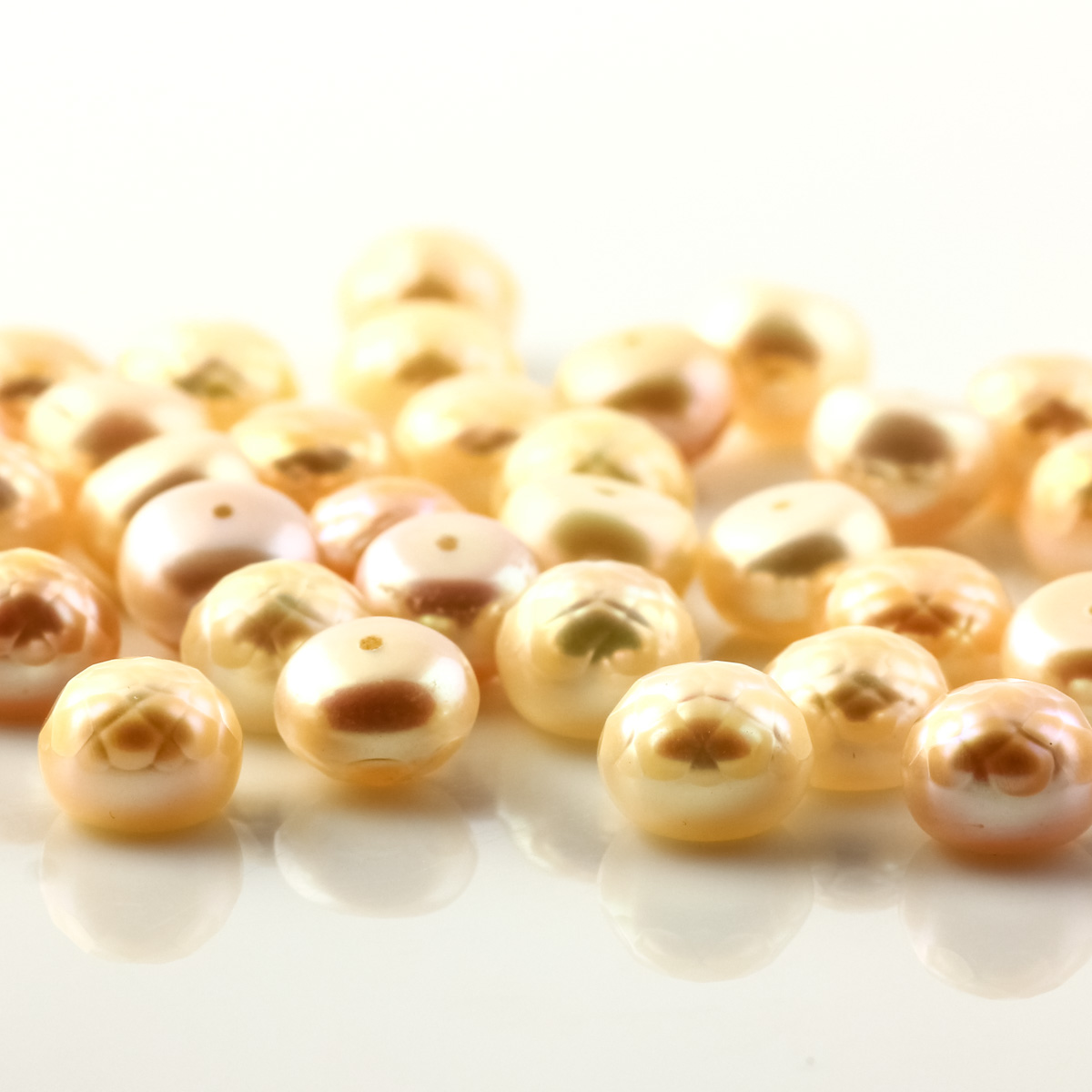
Pink Cultured Freshwater Pearls 7.5-8mm 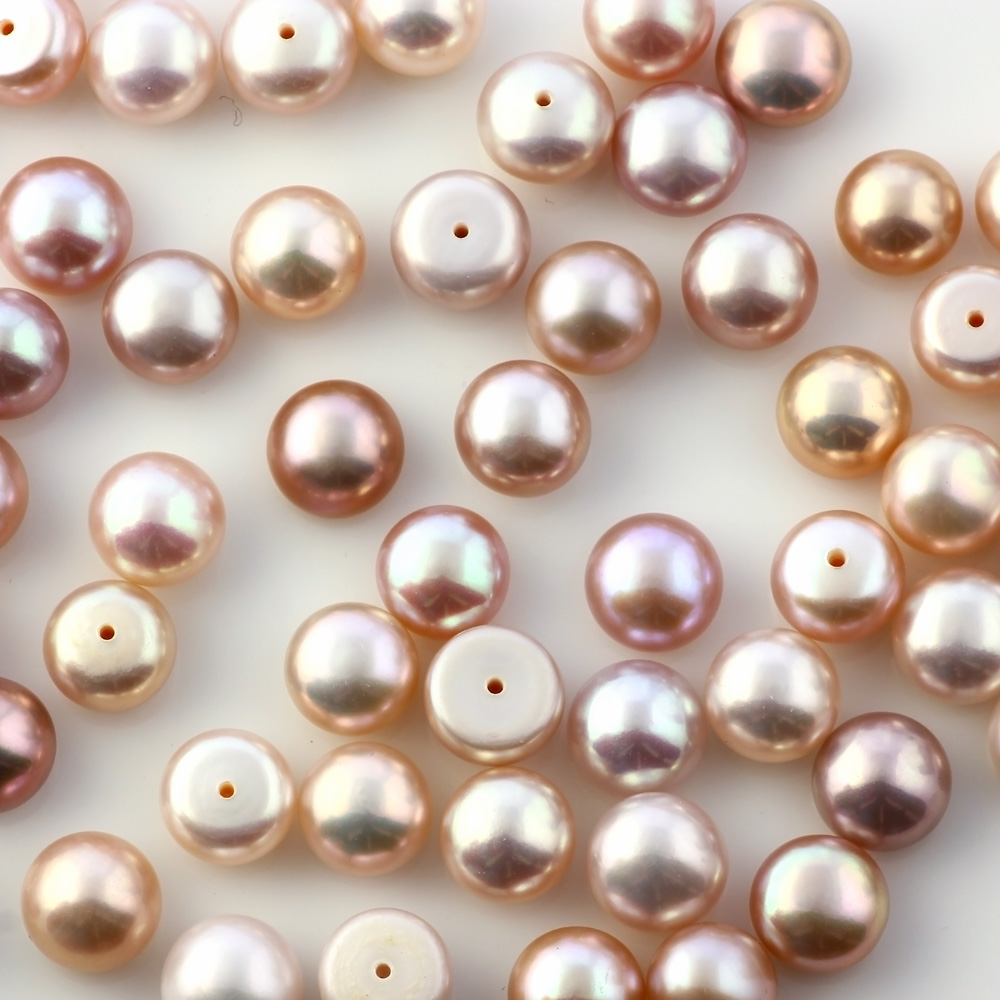
Purple Cultured Freshwater Pearls 7.5-8mm 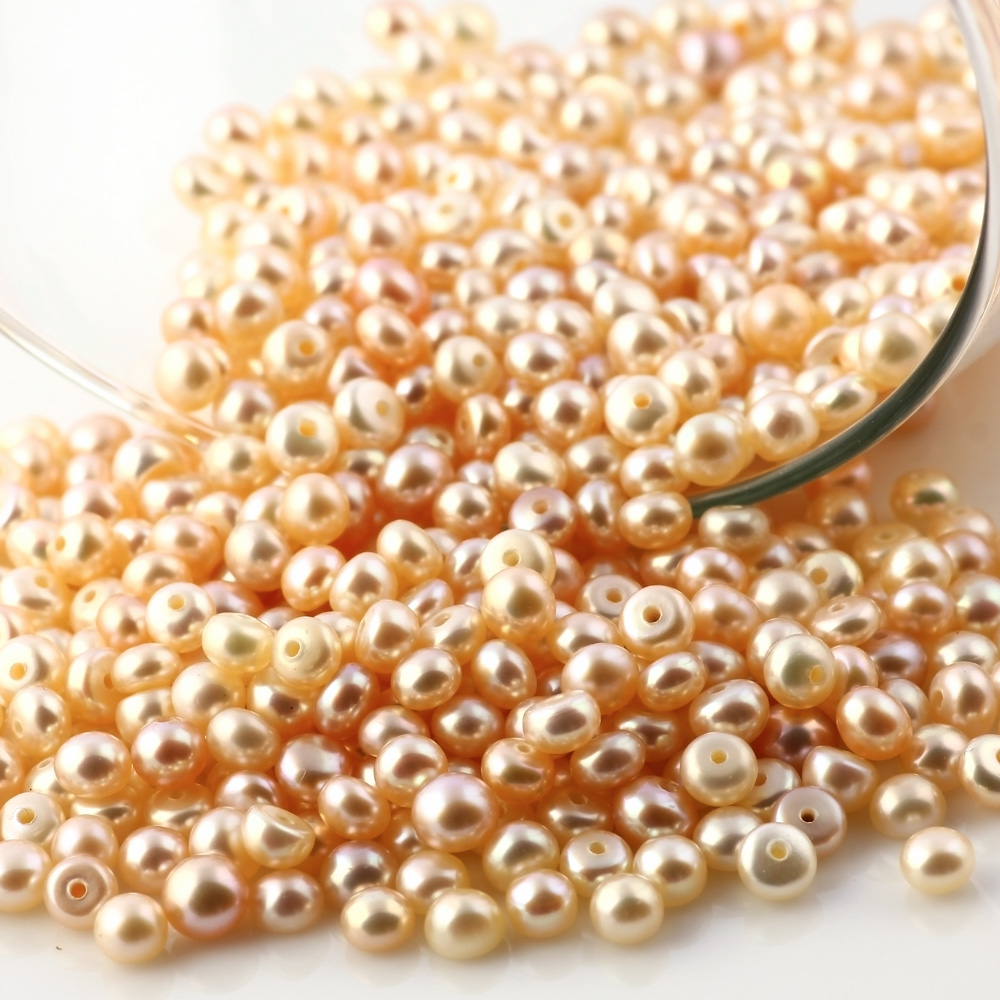
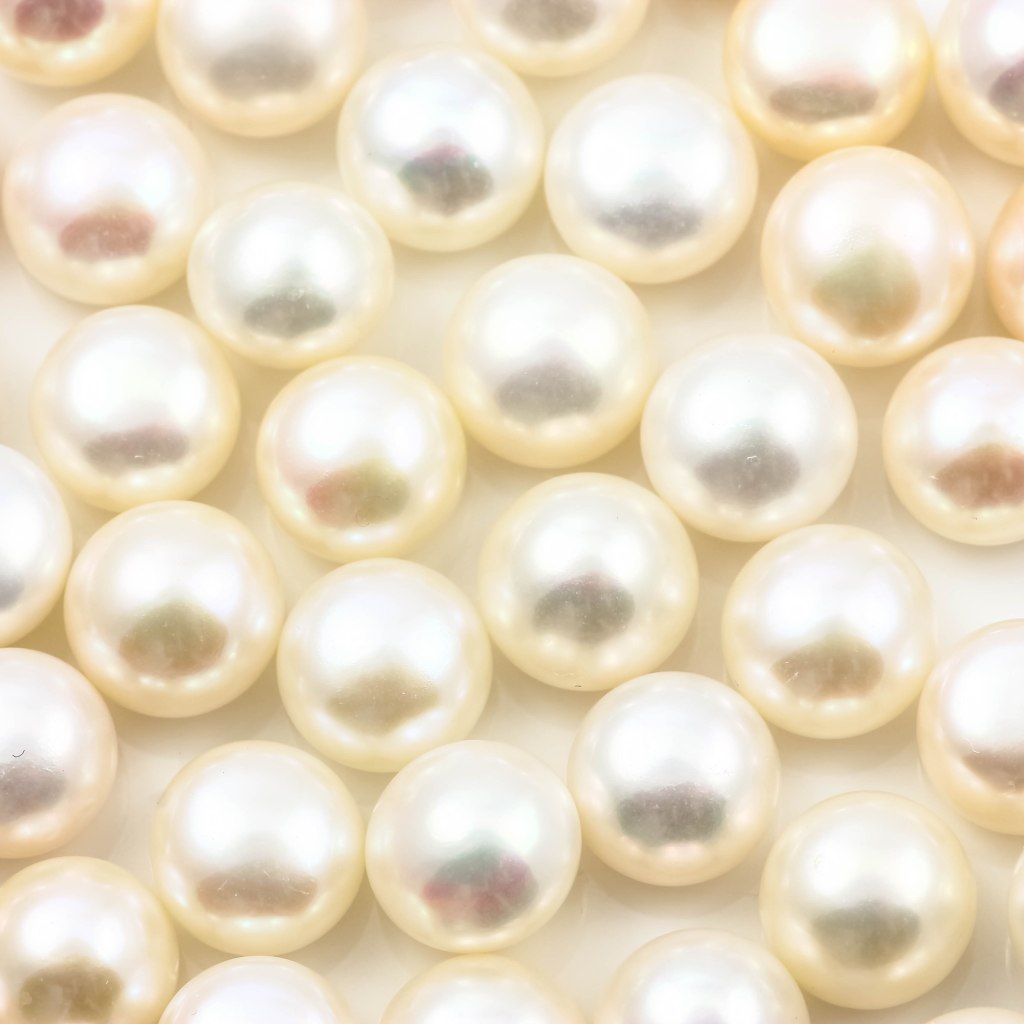
White Cultured Freshwater Pearls 10-10.5mm 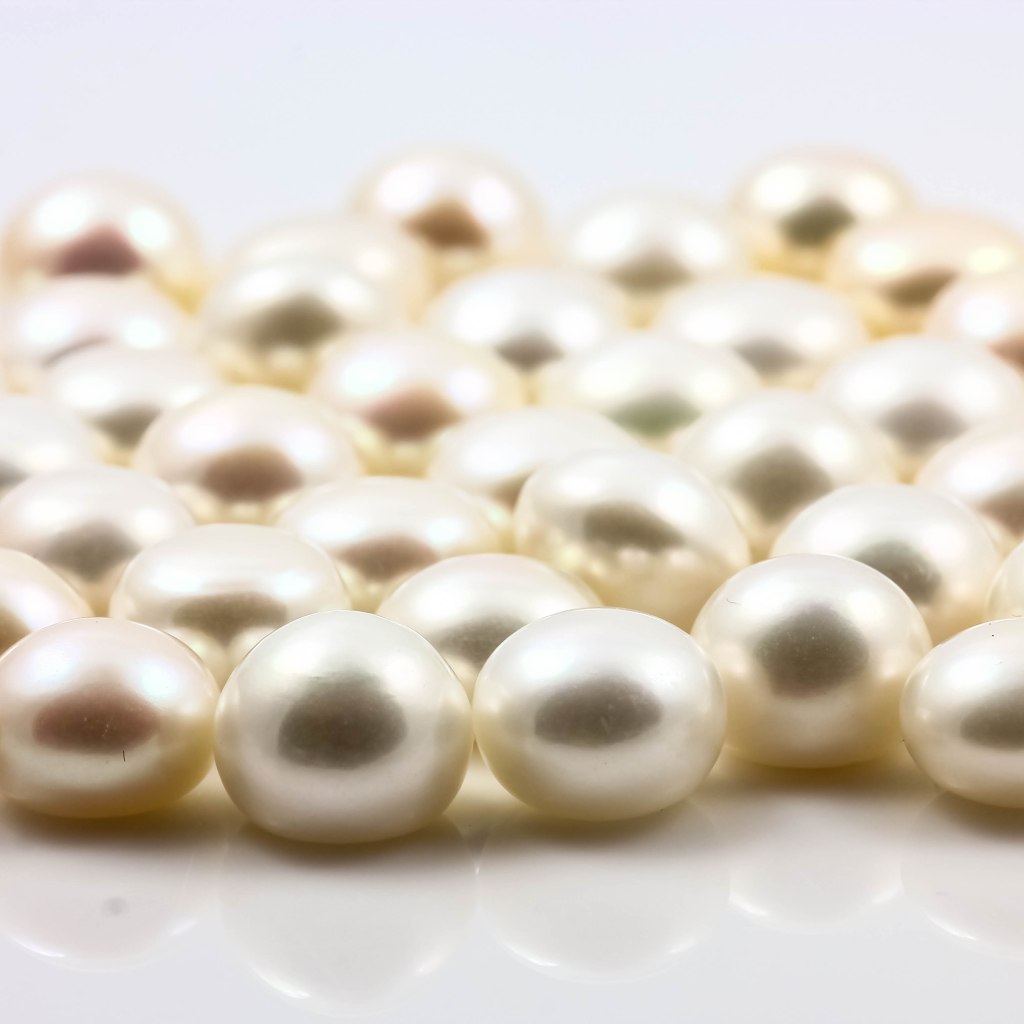
White Cultured Freshwater Pearls 10-10.5mm 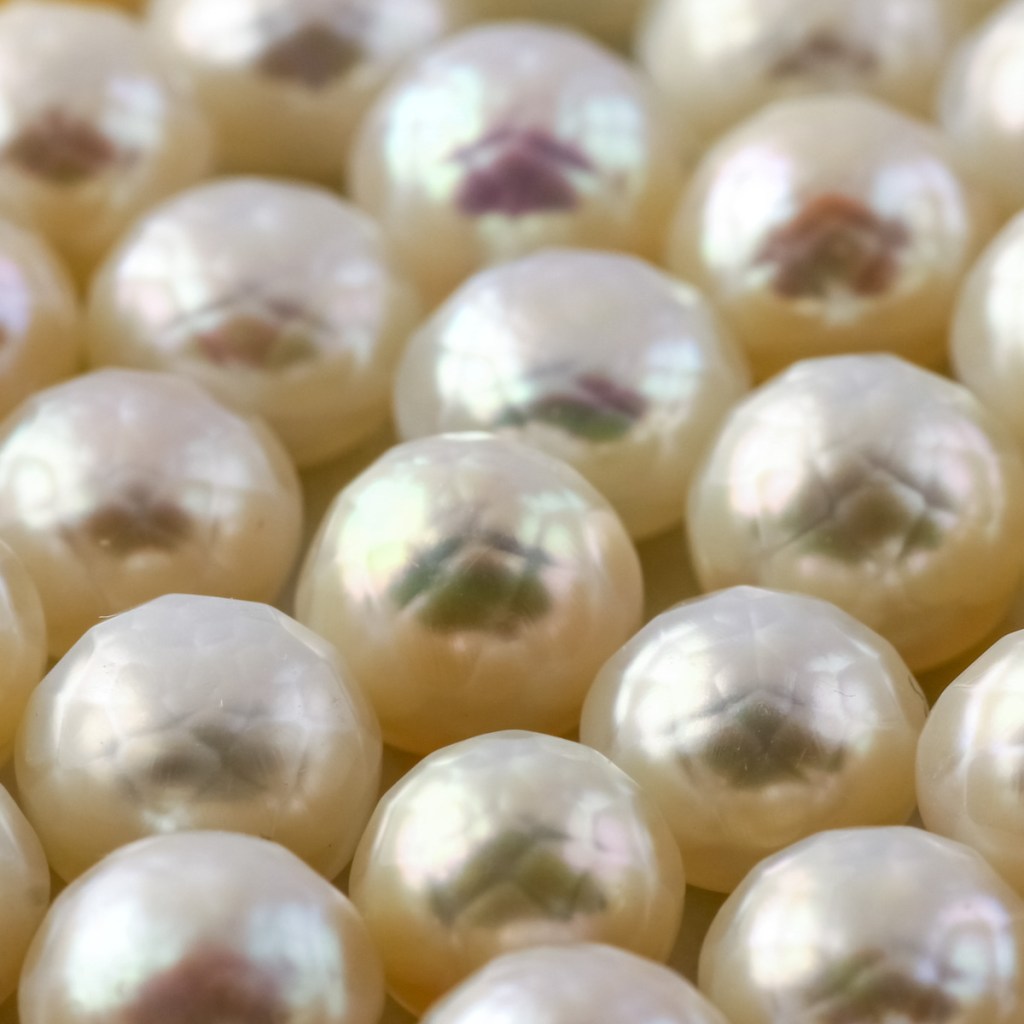
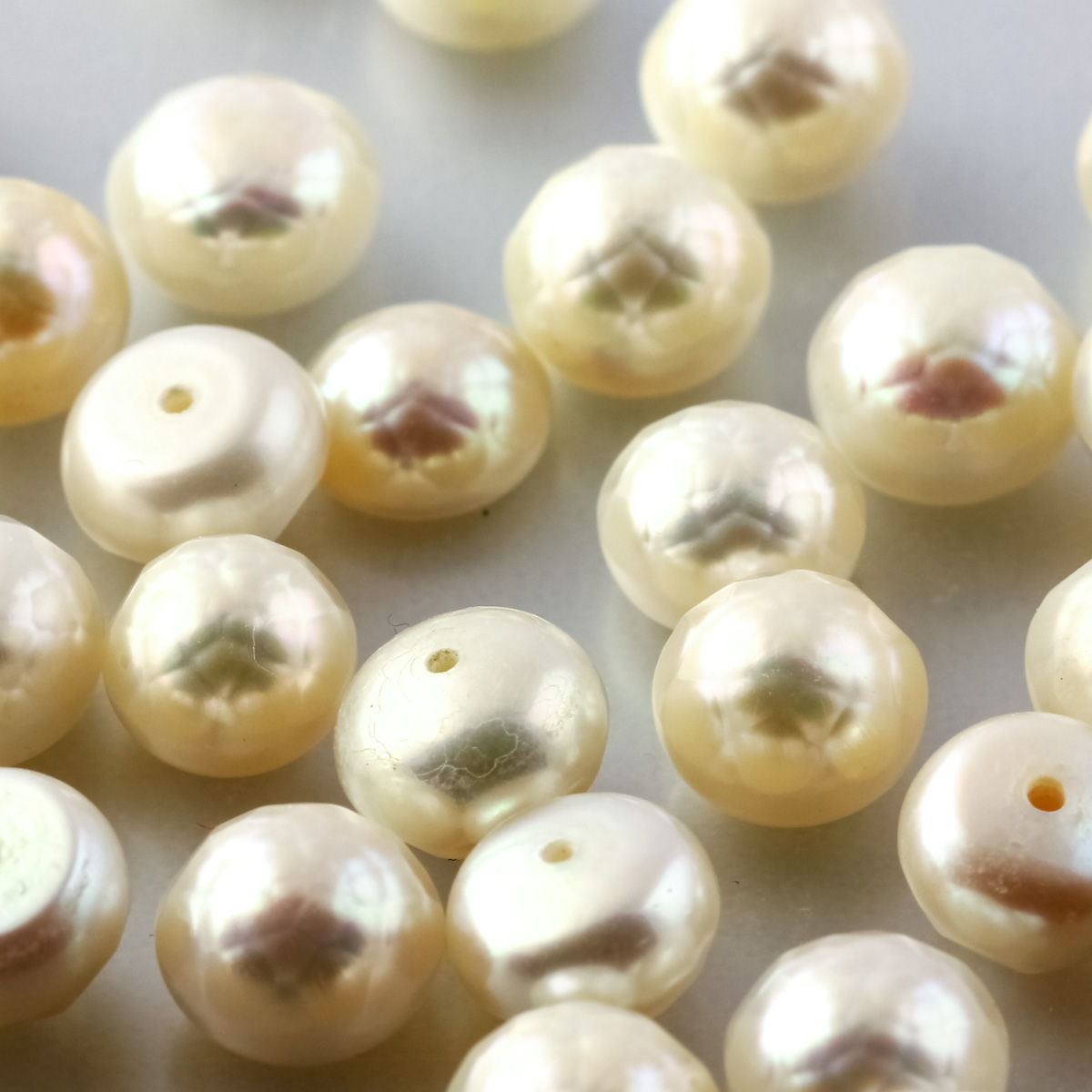
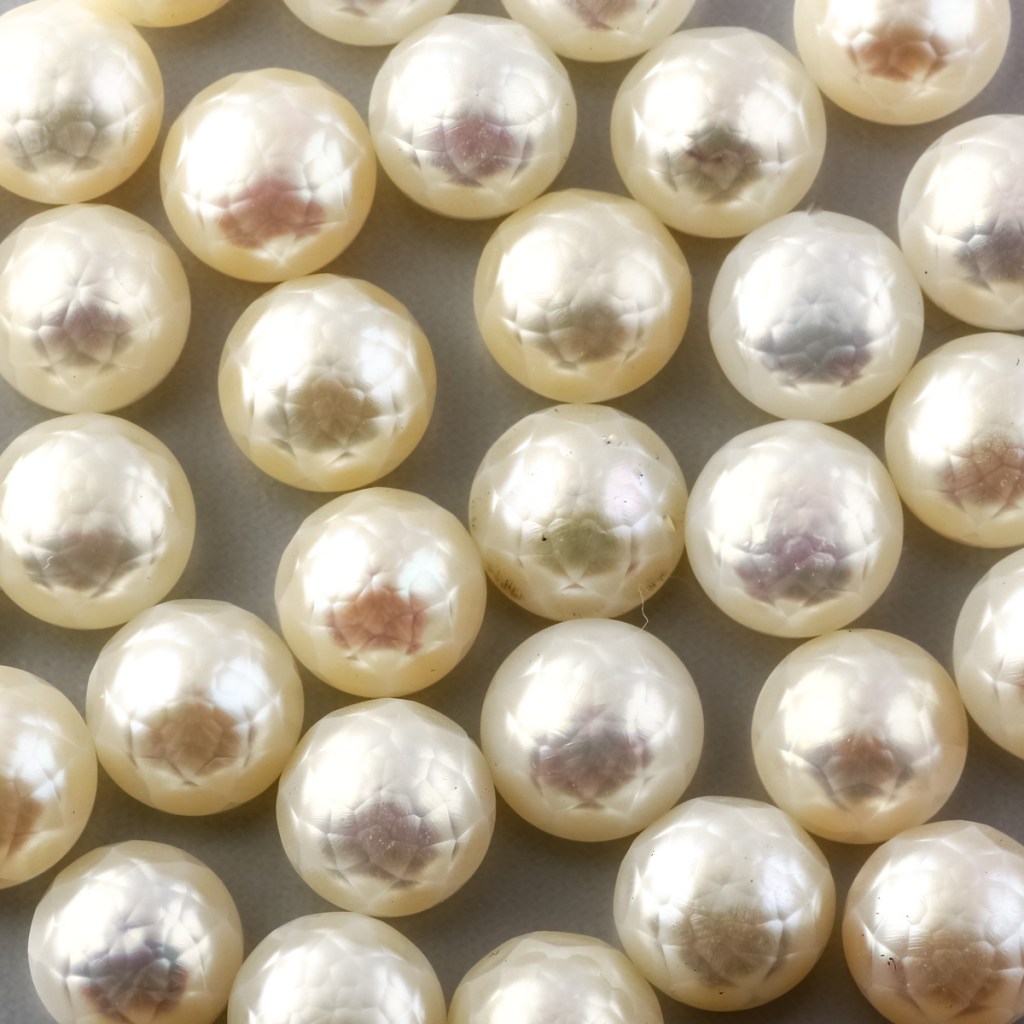
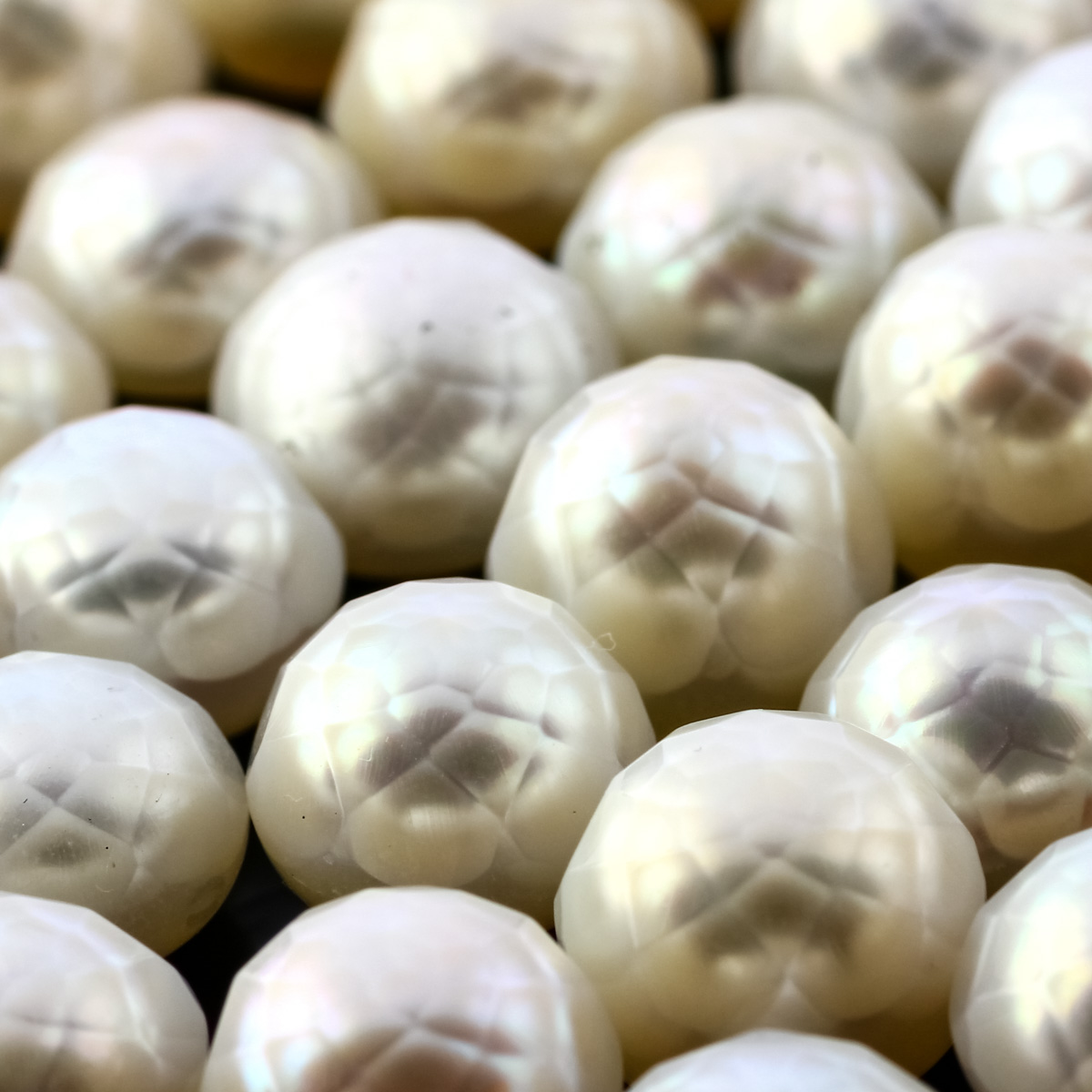
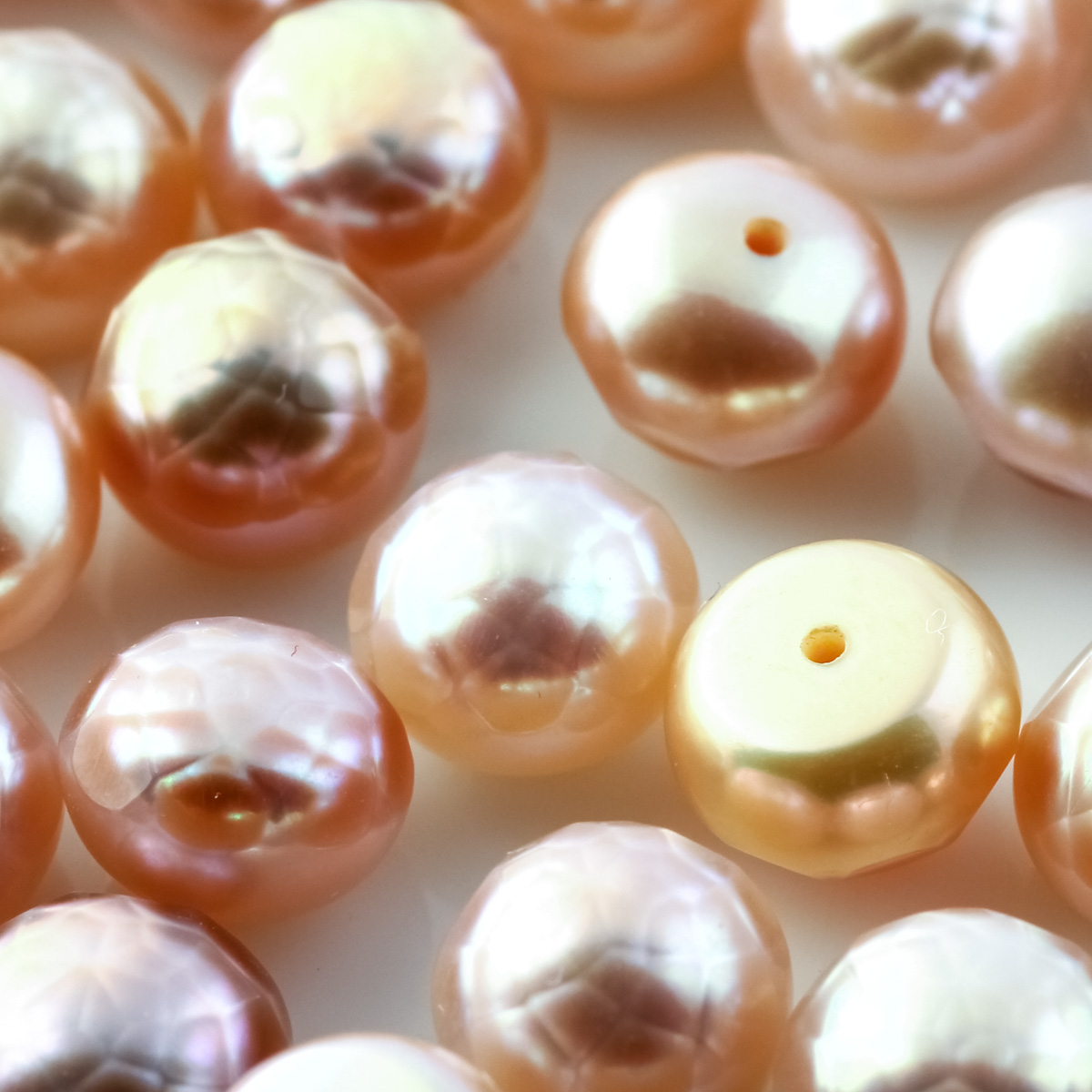
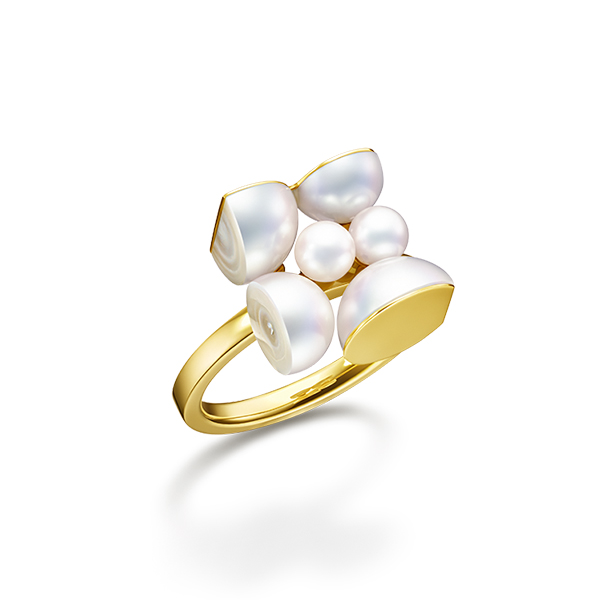
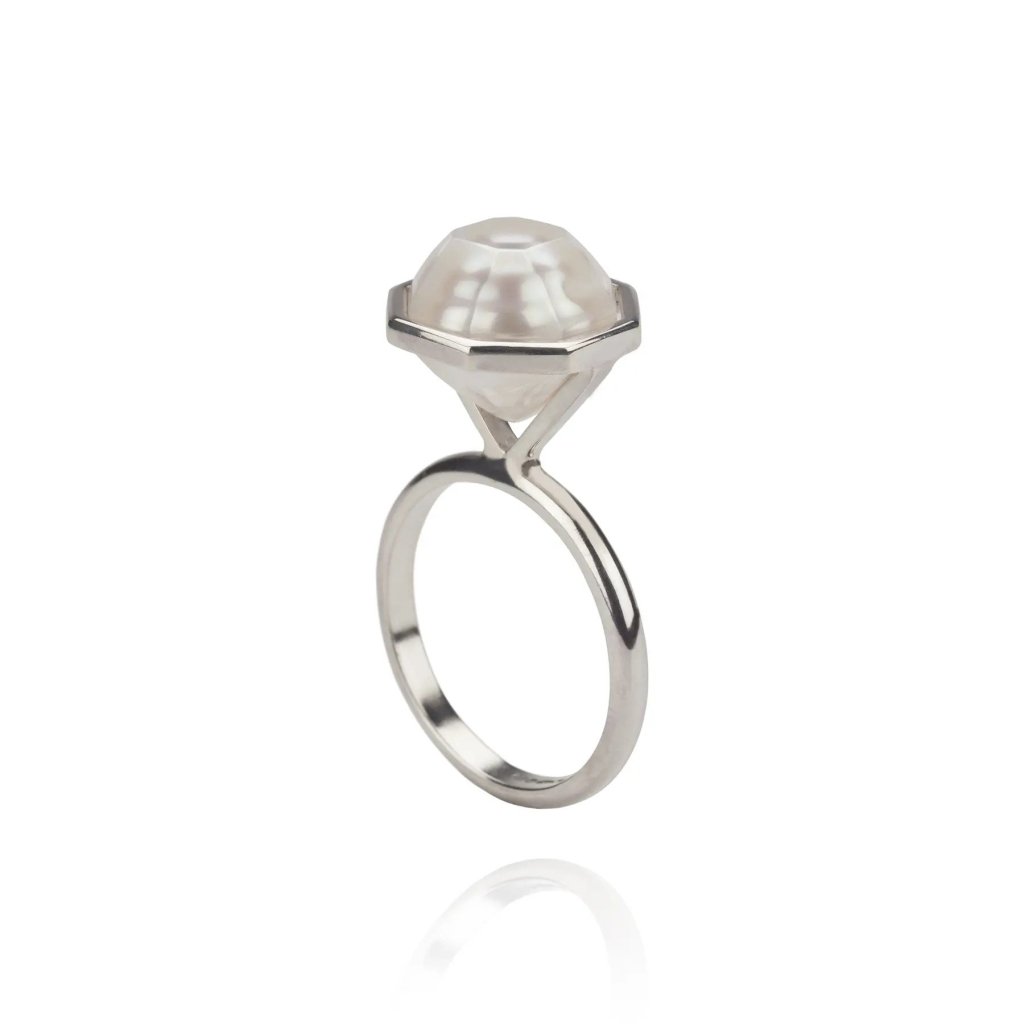
Rose Cut White Cultured Freshwater Pearls 7.5-8mm 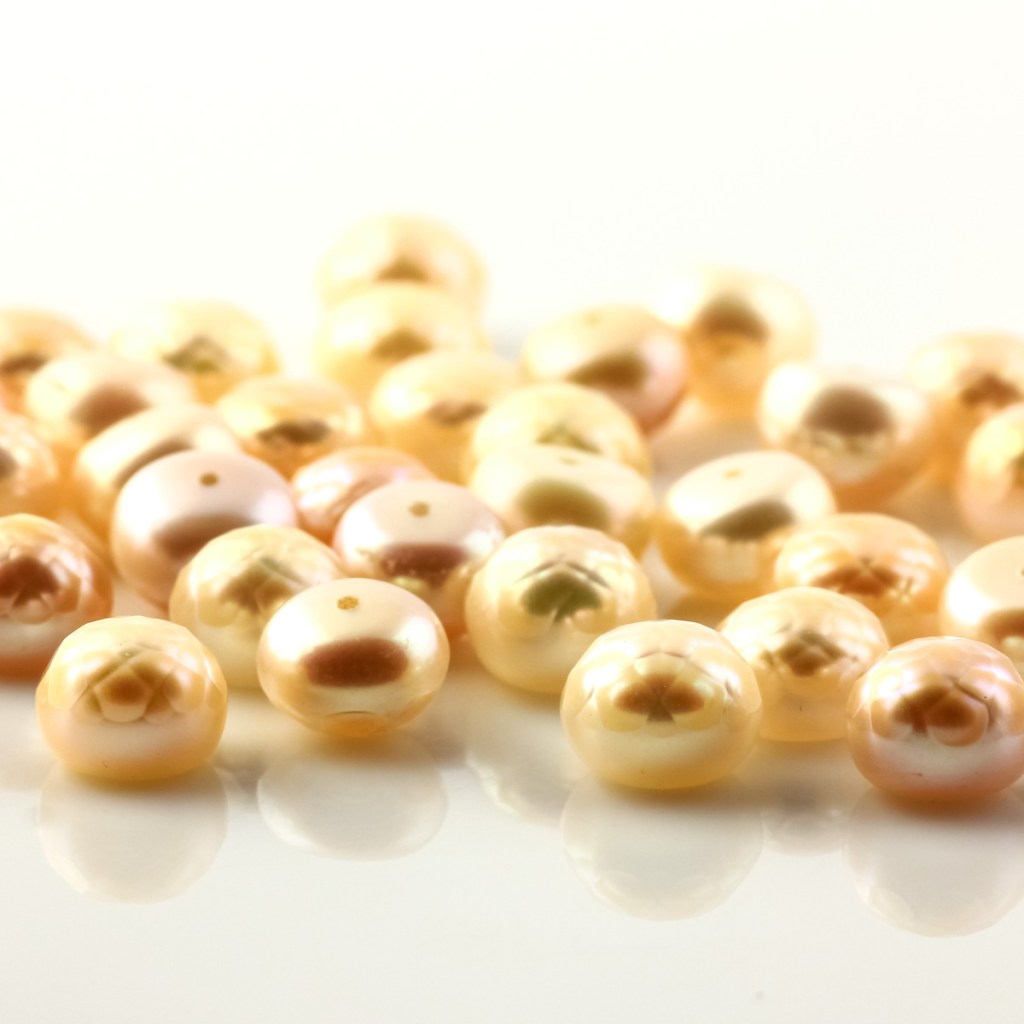
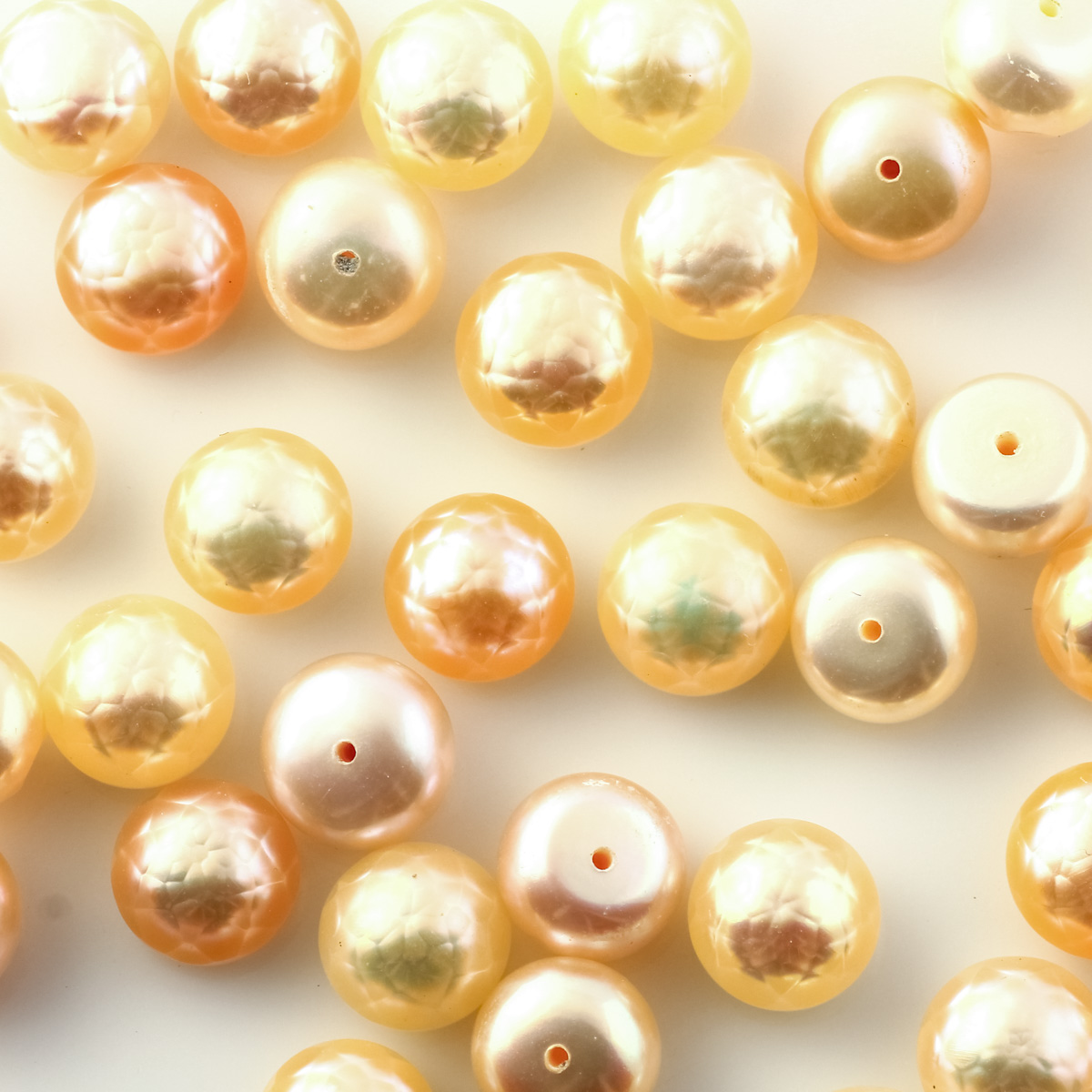
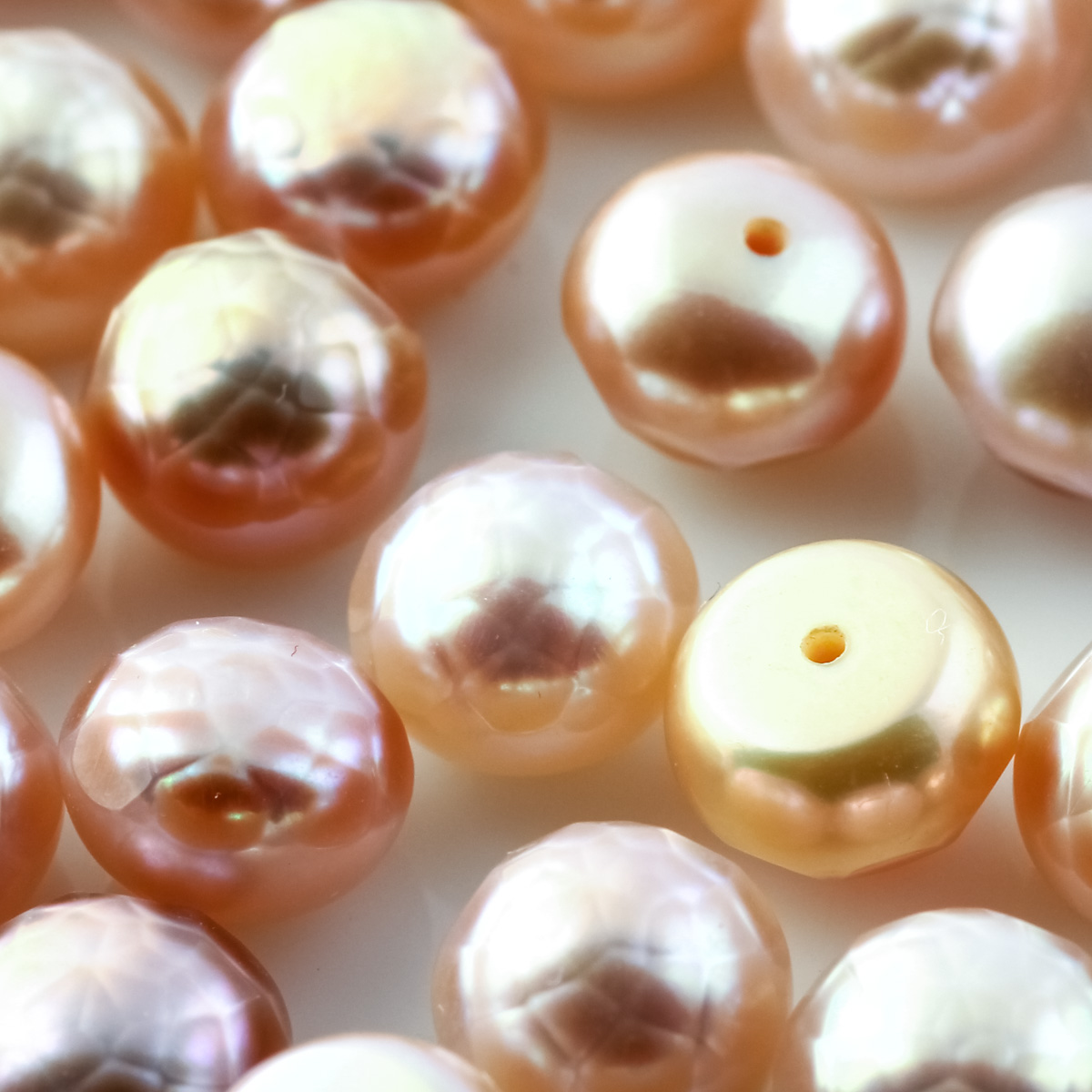
Rose Cut Pink Cultured Freshwater Pearls 7.5-8mm
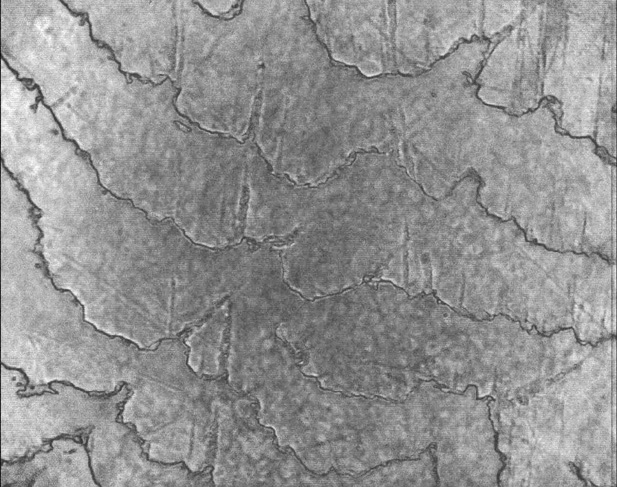
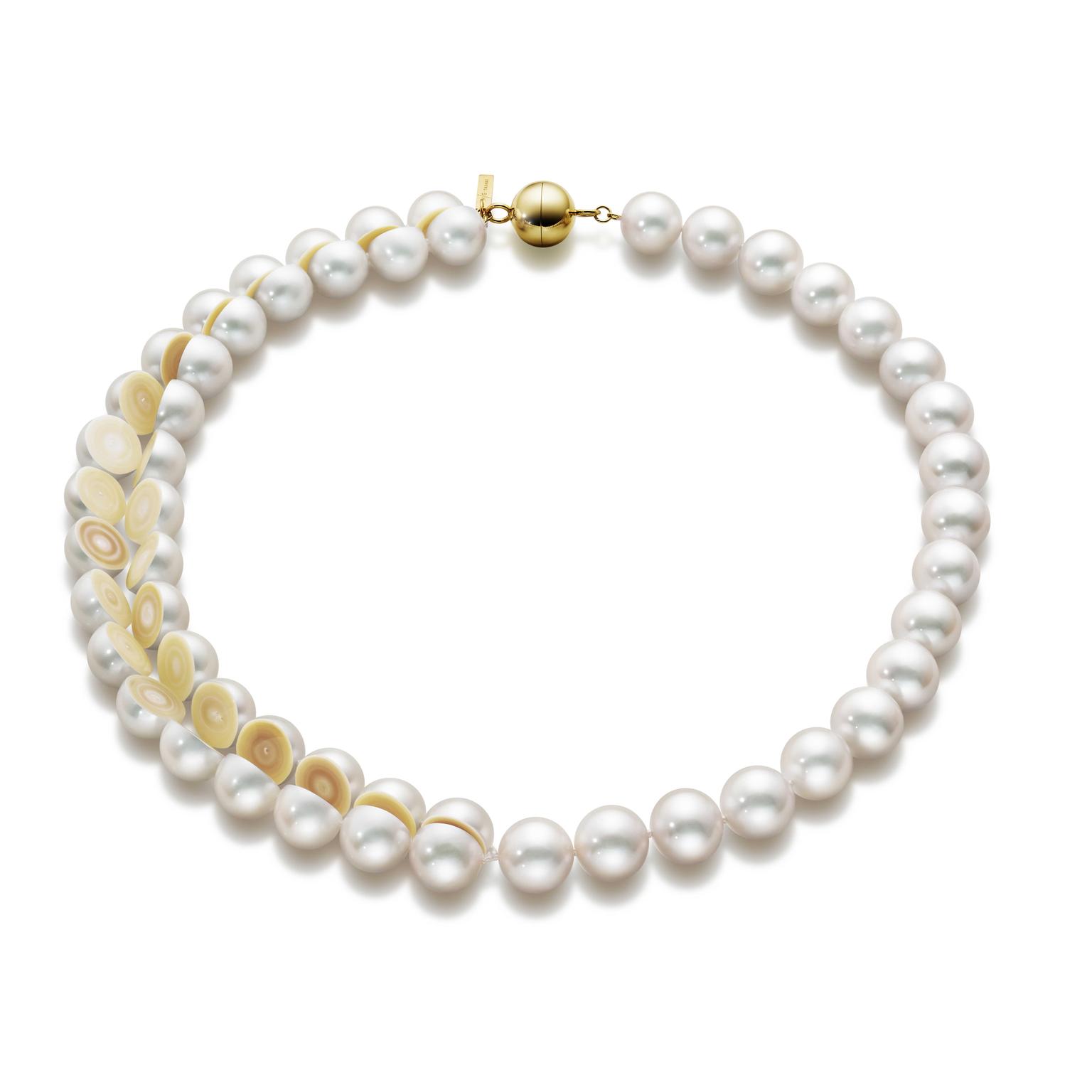
According to Grace Kelly, at least! Jackie Kennedy considered them ‘always appropriate’. Either way, I thought I’d excitingly write a piece about pearl processing! I’ve had a few questions through in the past week or so asking about this, in particular dyeing and bleaching so I thought I’d have a run through of how pearls are made, what happens to them and the difference between processing and treating. As everyone no doubt knows, pearls form naturally when a piece of grit or parasite or some other foreign body enters the mollusc and irritates the soft tissue in the shell. The mollusc tries to reduce the irritation by coating it in layers of smooth nacre and this is the surface of the pearl that we see. It’s really easy to check if a pearl is real because even with a loupe you can see the overlapping platelets that make up the nacre; it’s a really distinctive pattern.
With cultured freshwater pearls, this natural process is imitated: molluscs are seeded with often multiple pieces of donor soft tissue from another mollusc and the pearls form around these pieces of tissue. Pearls take around 24-72 months to grow with cooler waters and longer growing periods associated with better shape and lustre, and a thicker layer of nacre. Potato pearls are those pearls that are grown very quickly and they often have a thin layer of nacre and very off-round shape.
Once the pearls have been harvested, they are washed, dried and sorted. As you can imagine, pearls grow in all shapes and sizes so they have to be graded by shape, size, as well as quality. Since pearls naturally are often quite discoloured, with dark patches and splotches, they are often then universally bleached. This step has become so ubiquitous that it is now regarded as a process rather than a treatment. This is interesting, because by most gemological definitions, the bleaching would be considered a treatment. But because so many freshwater and indeed Akoya pearls require it to be considered acceptable, the pearl industry considers it part of the standard procedure.
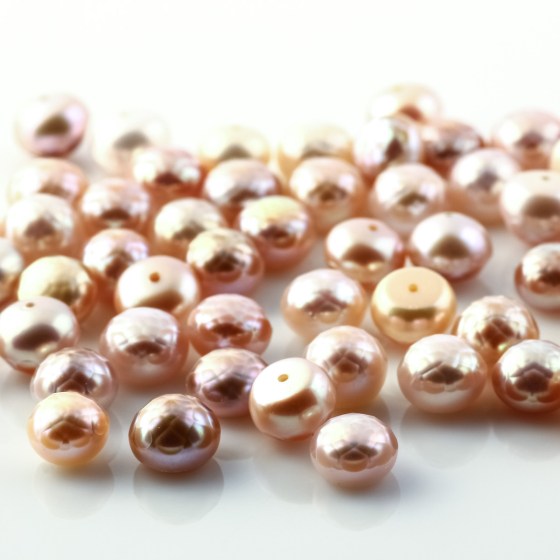
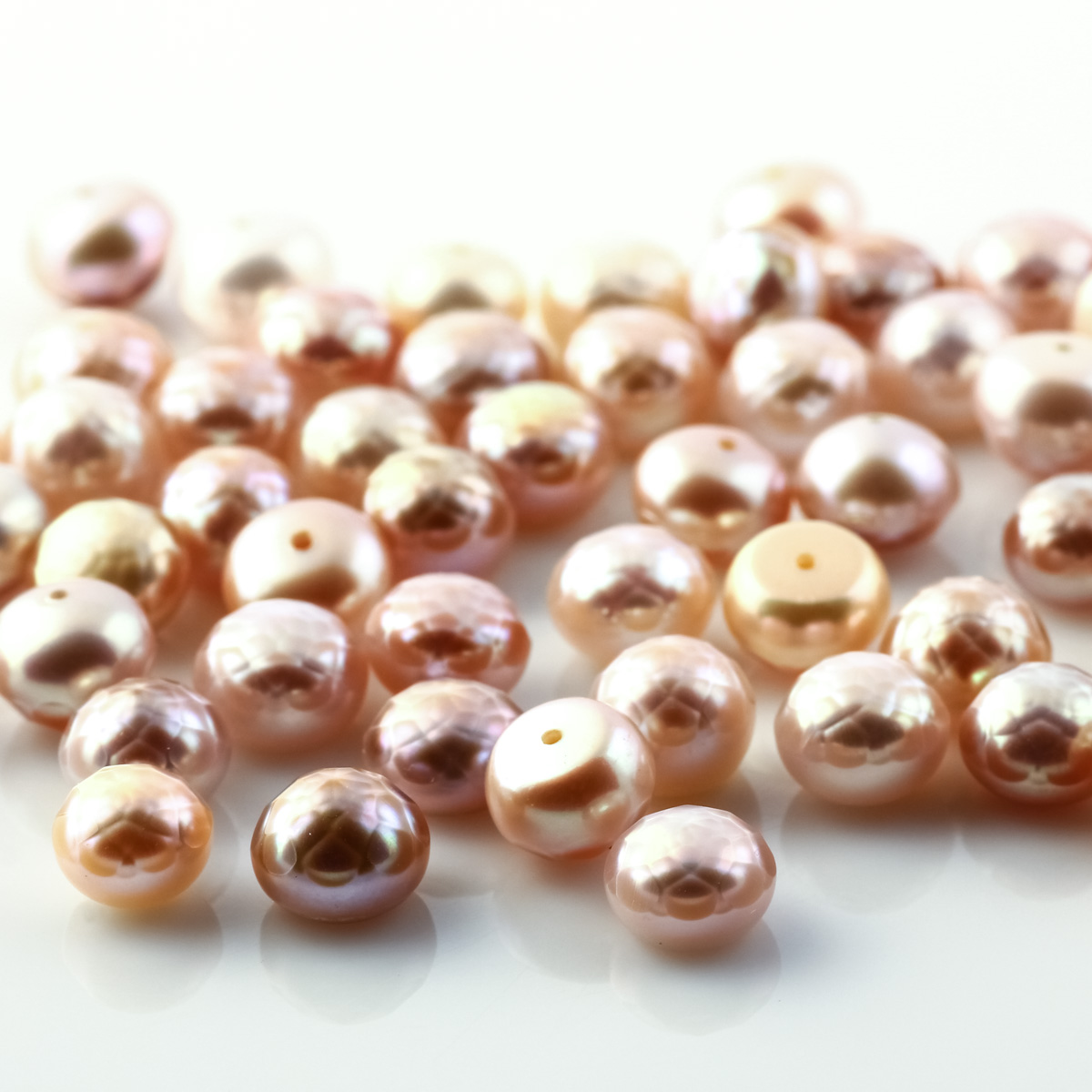
Dyeing is a completely different matter. Pearls naturally come in a variety of soft shades with a bodycolour (the overall colour), overtone (translucent colour/s that lies over the bodycolour) and an orient (the iridiscent shades that shimmer over a pearl’s surface). The different colours range from pales yellows, pinks, apricots, lavenders, pale greens, to blues and purples. The key with these colours is that they are usually soft; even the darker shades are not bright; the shades are soft and muted. I sell coloured pearls; what is known as pink, which is more like a pale, peachy colour and purple, which is a very soft lavender. White pearls are normally ivory coloured often with an orient and may be more pink or more yellow in tone. I call them sorbet colours because they are subtle and varied and soft. Dyed pearls are usually very obvious because the colours are bright and unnatural. I don’t sell these, and it’s not because I turn my nose up at them, they’re just not in my wheelhouse, as it were. I sell mainly button pearls, because they fit in nicely with the rose cuts and cabochons that I stock in precious stones and I just don’t do dyed. I do have some rose cut pearls, which look amazing and which I had faceted to order, because I thought they might be fun! Click here to browse pearls.
joopygems.com
*quote from Grace Kelly




 Joopy Gems | The Blog