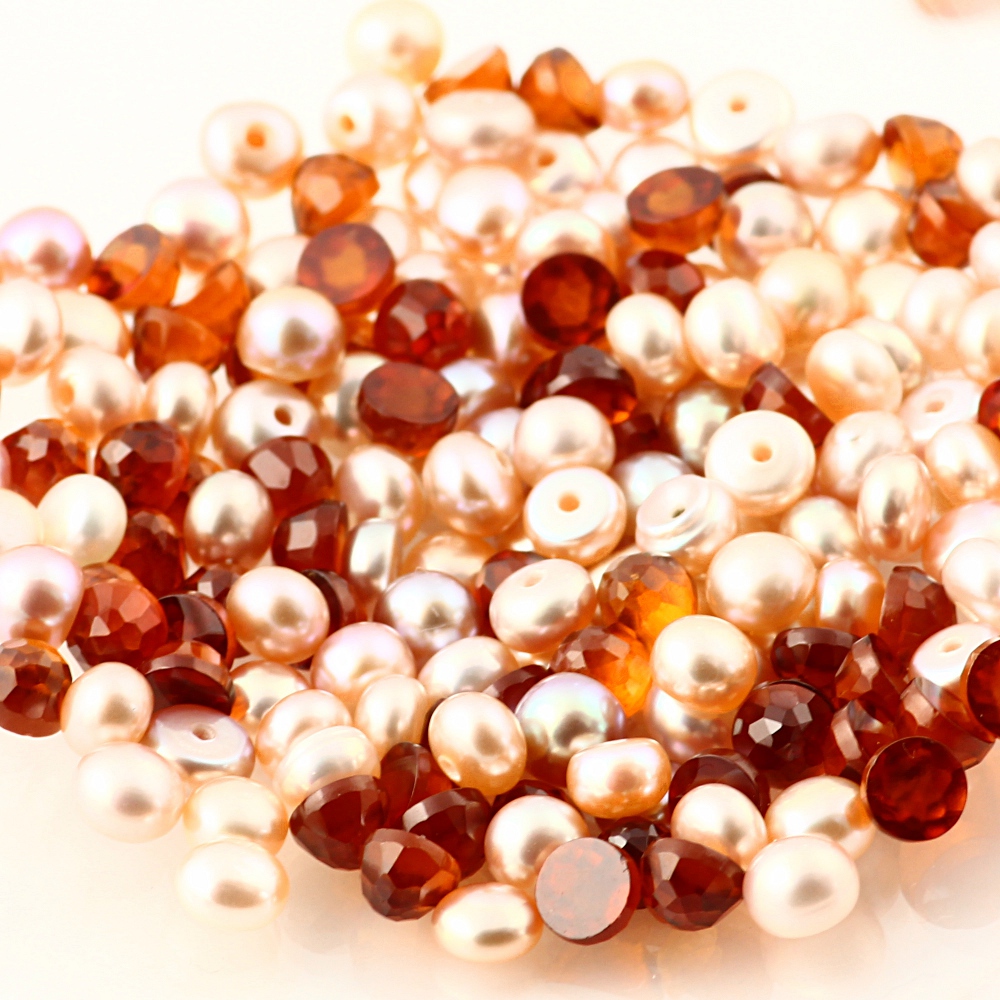
Spring Colours: Nectarine

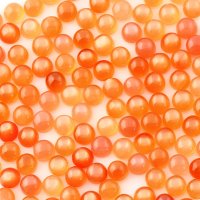
Spring seems far away but this year has gone so fast I’m shocked. Over here in Hong Kong, Autumn weather can feel very much like Spring weather (warm, sunny, not too hot), a relief after the sweltering summer month. So it doesn’t feel too strange to be thinking about spring colours. I normally have a look at the Pantone colour report for each season, just to make sure that I’ve got a good selection around the projected colour trends, and it’s nice to have look to see what’s out there. I’m starting with Nectarine; a soft, warm orange, great for providing a bit of a lift in these troubled times. From a pale coral to a deep, muted tangerine, this is a colour that adds warmth to the complexion and cheers the spirits.

In this colour range I’ve got pink freshwater pearls at the softer, more muted end of the spectrum; full strings, half drilled and button pearls, find them here, and peach moonstone at the deeper, more saturated end, find it here. For a paler take on it, morganite has a wonderful translucency. This is a colour that responds equally well to the warmth of gold and the cool brilliance of silver, and would combine well with neutrals such as ivory pearls and white moonstone as well as forming interesting partnerships with brighter colours like emerald, turquoise, peridot. In its paler tones, such as morganite, I can see it working well with amethyst and a strong blue; sapphire or kyanite.

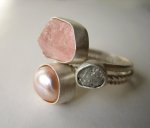
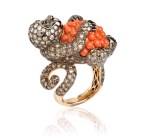
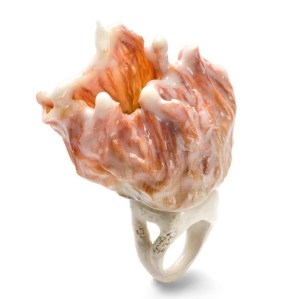
I’ve been collecting images of jewellery, which you can view on my Pinterest and here are a few of them. On the left is an amazing Adria Alic ring  from her ‘Flower’ collection, fashioned from silver and plastic. If you’ve never come across her work, you must have a look; she creates the most fantastical, dreamlike flights of fancy. Aiming to transcend ‘…the boundaries between jewellery, sculpture and visual arts’, she works with themes of illusion and lack of function to awaken people’s curiosity and challenge traditional notions of value in jewellery. Her work is mind-boggling, astonishing and you can find it here
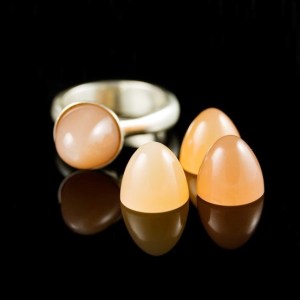
On the right is a ring from the LA designer nodeform. Created by an architect turned jewellery designer,  Konstanze design philosophy is for simple, sculptural forms with an architectural look. His work is clean and crisp, allowing the reflective qualities of the metal to enhance the flowing lines and overall harmony of the piece and endeavours to use reclaimed metal and ethically sourced gemstones in his pieces. Pictured is his Peach Moonstone Luna Ring, sterling silver with a bullet shape 11mm peach moonstone cabochon. You can see this and other examples of his work here
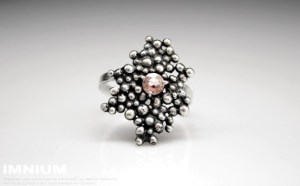
If you visit Ivona Posavi Pšak’s shop, IMNIUM, you will see that she claims to be ‘good at making jewellery, bad at writing about myself’. Whether she is right about the latter, I can’t really comment, but as to the former, I have to agree! Her pieces are organic, detailed and extraordinary. To the left is her Modern Organic Morganite Ring, made from hand-made oxidised silver beads and featuring a faceted 4.5mm morganite. You can find her work here, and be sure to check out her wire-wrapped work, which provide some of the most visually stunning examples of this technique I have seen, wonderful writhing coils provide depth and movement.

To check out what else I’ve found, you can find more on my Pinterest boards. I’ll be adding boards for each of the Pantone spring 2013 colours and am on the look-out for the weird, wonderful, beautiful and esoteric; drop me a line if you have something you think is suitable!
3mm Rose Cuts

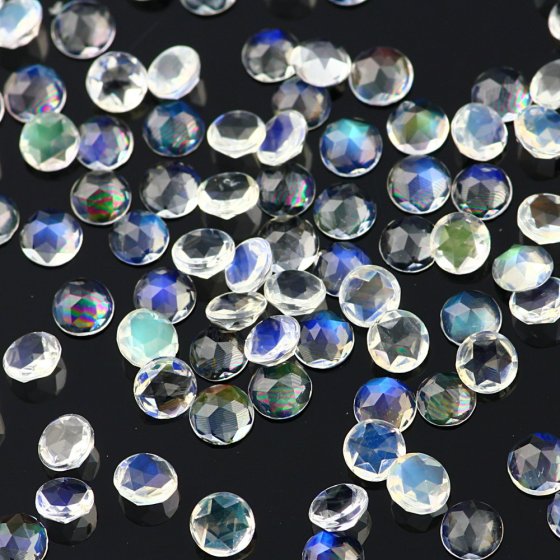
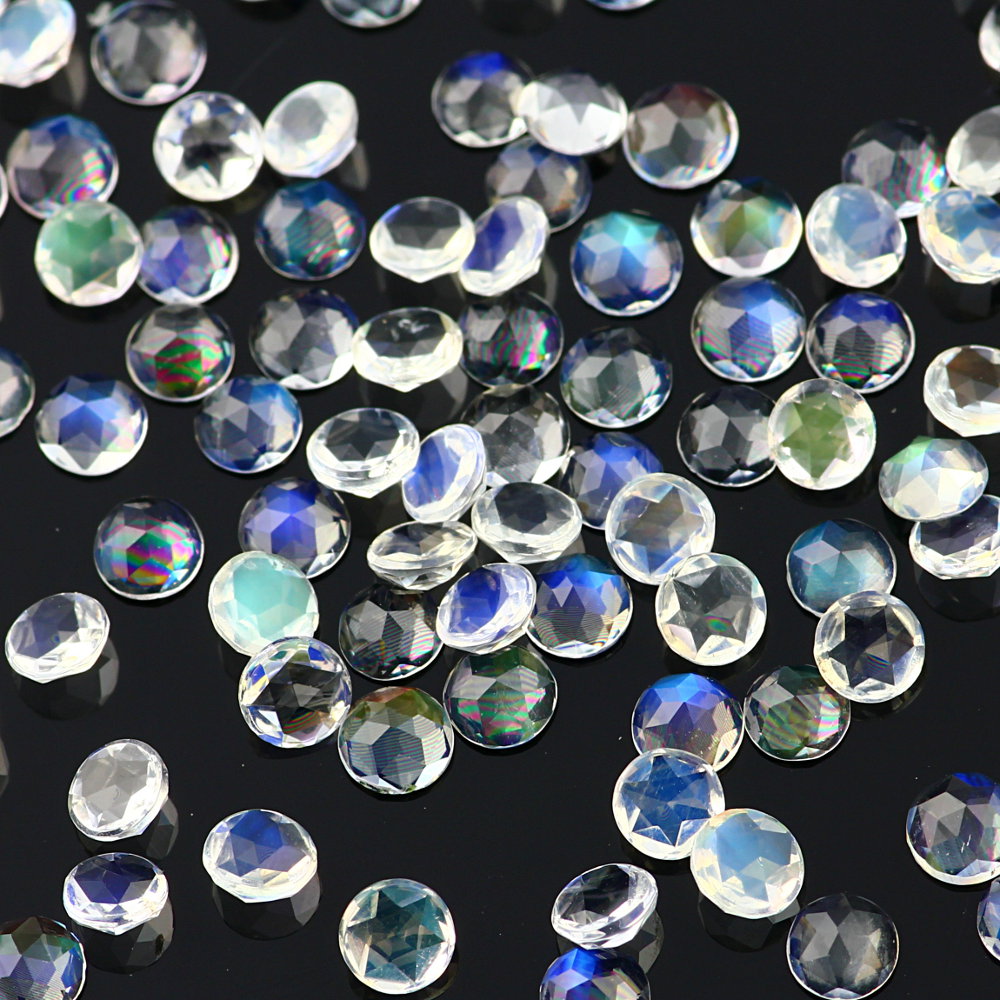
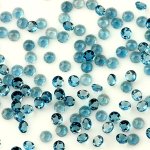
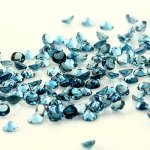
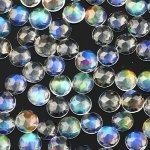
I’ve been asked for these often and so I’m really pleased to be able to finally offer them; 3mm rose cuts, beautiful glittering little stones. At the moment I have Rainbow Moonstone ($2.75) and London Blue Topaz ($4) but I am planning to offer them in a wider range of stones. The rainbow moonstone is high grade material, beautifully clean with a wonderful bright adularescence and the London Blue Topaz is vibrant even in this tiny size. Both very sparkly, both available at www.joopygems.com

Juicy Watermelon Tourmaline

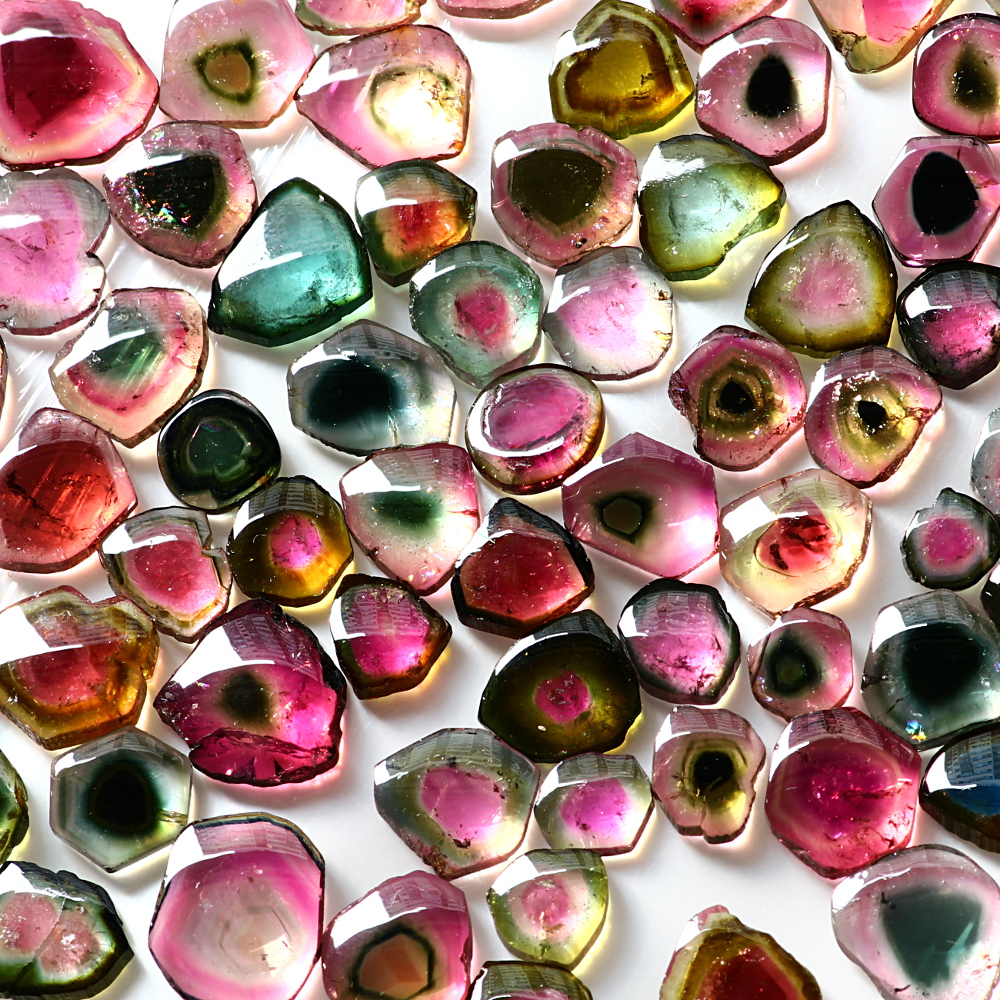
I’ve listed an awful lot of freeforms lately; opaque ruby, sapphire and labradorite. Coming soon I also have opaque emerald as well, and just in the last week, I have listed many, many watermelon tourmaline slices. Tourmaline is always popular, with its huge variety of colours, and this has been reflected in the price over the past few years, which has gone steadily up and up. I can’t do much about the price, but I do try to keep quality nice and high, and these slices are pretty clean for watermelon tourmaline, which is often highly included. They are absolutely gorgeous, in juicy, saturated colours, and I’ve got a huge variety in terms of shape, size, colours and price, including some rather rare and hard to source blue ones (several of these have already gone!). I also have a couple of pairs, which are fabulous for earrings. If you want to browse the collection, the relevant page on my website is here: http://www.joopygems.com/tourmaline-watermelon-slices/ . The last time I had these, they went pretty fast, and then I had no end of difficulty finding them again, so if you like them, grab them whilst they’re here!

page on

August birthstone

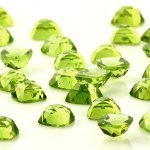
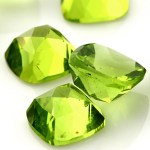
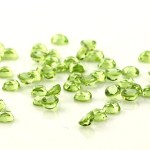
Peridot has long been associated with light and sun, and in fact the Egyptians called it the ‘gem of the sun’. Very apt indeed, (if you live in the northern hemisphere!) considering that it is the birthstone for August. There is something very sunshine-y bright about the peridot I’ve just listed, with its vibrant golden-green gleam. Apparently it is also thought to banish night terrors, especially if set in gold. Well, peridot does look exceptionally beautiful in gold, but for those of us that can’t run to that, silver offers a coolly lovely foil to its warmth. Just listed I have peridot in a 4mm and a 6mm rose cut cushion cabochon, available here: 4mm and 6mm

Welcoming back ‘old friends’

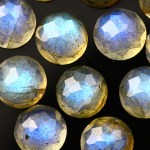
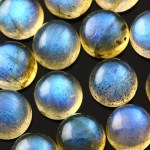
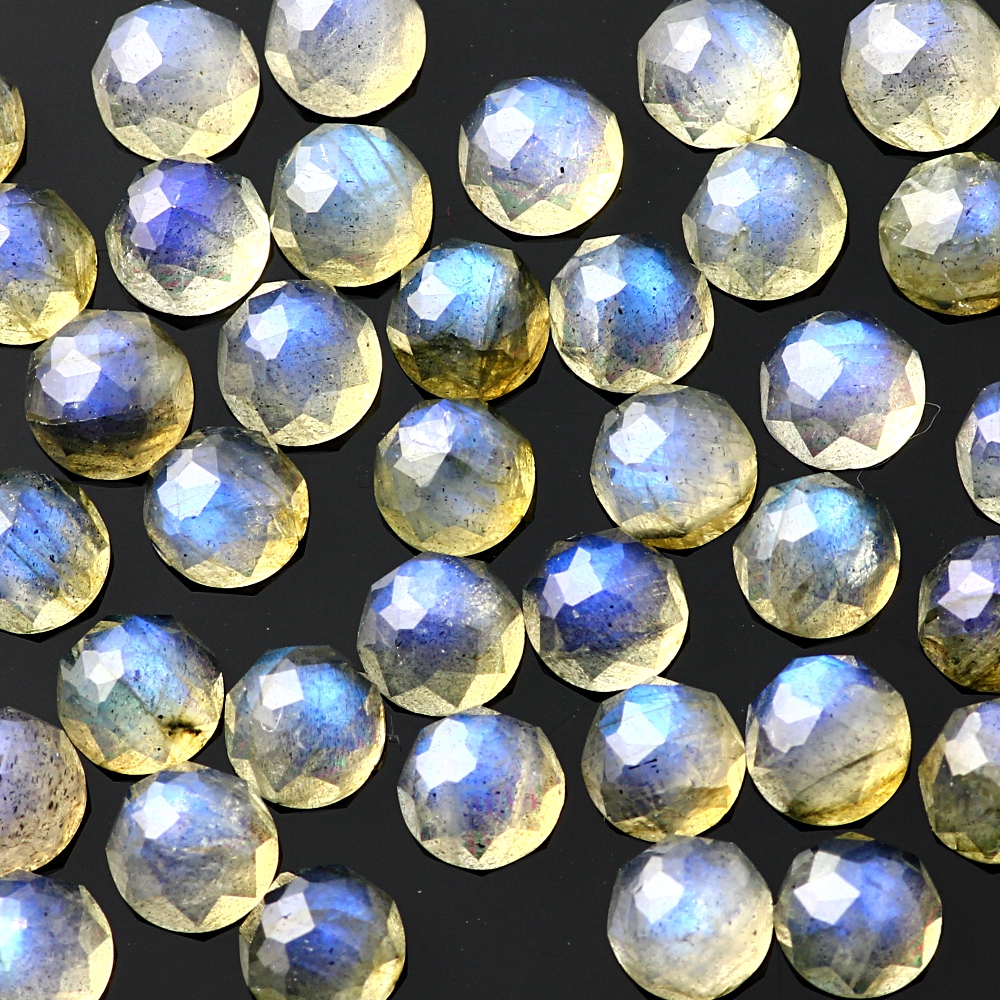
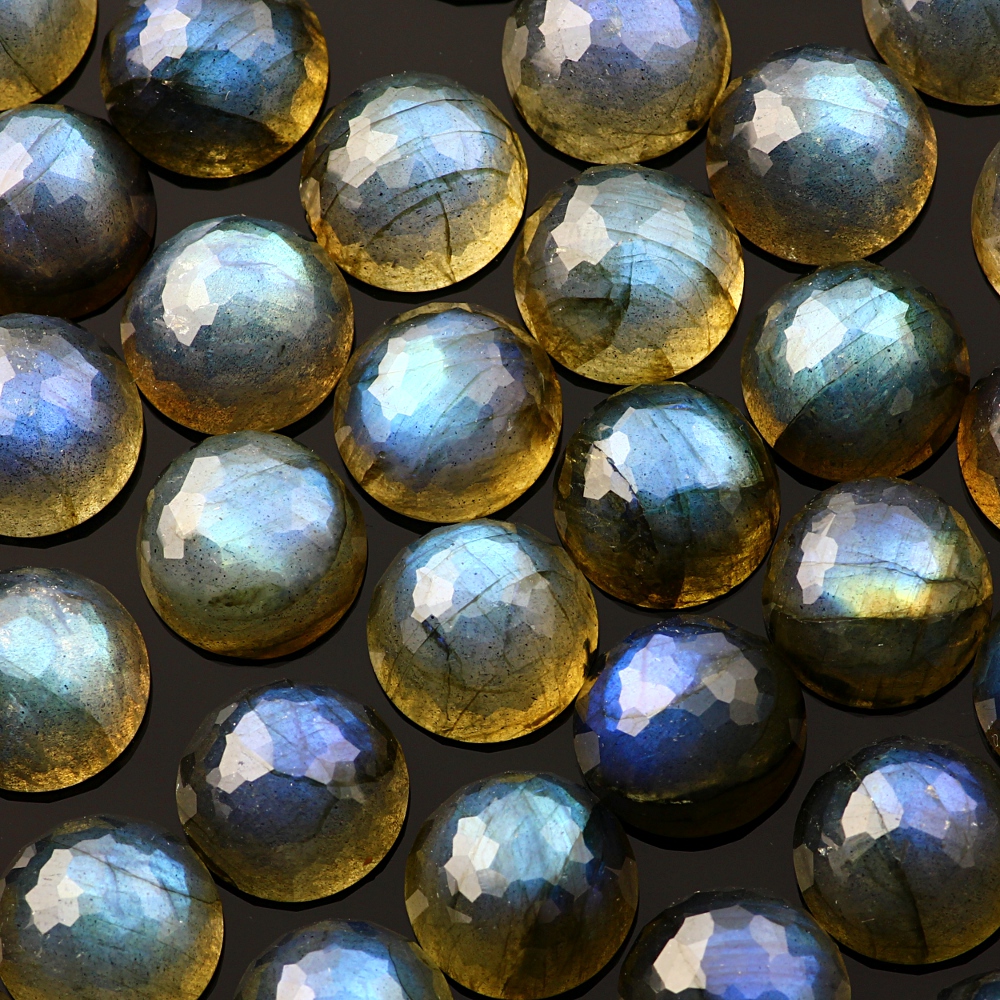
Finally back in stock I have some labradorite in sizes and cuts that customers have been clamouring for. These are labradorite 5mm round cabochons at $1.75 per stone, 5mm honeycomb faceted cabochons at $2 per stone and 6mm honeycomb faceted cabochons at $3.50 per stone. I am not quite sure what the problem has been with re-stocking these; I think it is just quite hard for my suppliers to get hold of nice quality rough. Such a lot of labradorite on the market is not nice; full of cracks with almost none of the highly desirable labradorescence. Since it is my opinion that a labradorite without good flash is like a blunt pencil (pointless) I’ve waited it out until now and finally I have some nice quality stones in large quantities, so I shouldn’t run out for a while! Feel free to buy like crazy!

Design and Integrity

I was just reading through The Guild of Jewellery Designers jewellery trends report for Spring/Summer 2012 – here if you’d like to read it for yourself, and was really interested because it echoed something that has been on my mind for a while. The author (Jayne Coulson) describes a move away from the big, bold excesses of the past couple of seasons towards a more crafted, considered and creative approach. The word she uses is ‘integrity’. I’veImage been thinking about that as I’ve found myself looking much more carefully at costume jewellery over the past couple of years, as my own business has grown. I’ve always been surprised at, well, what you don’t get for your money. It’s quite common to find base metals and low-grade stones for high prices, even for the more exclusive brands. Now, I don’t know the production costs attached to large-scale manufacture, which must be quite high, but I have this idea that anything over around $150 ought to be made of solid silver, with proper, good quality stones. And this seems to me to be the strength of the smaller, artisan jeweller, who can control this much better, select their materials and work to a smaller scale. The consumer therefore gets that much more for their Imagemoney. More creativity, more quality, more value.

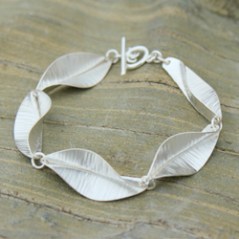
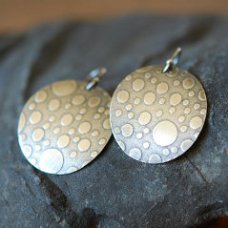
In her article, Jayne Coulson describes a return to line and form, as designs echo the asymetric lines and curves of tailored clothing, a trend for ocean-inspired organic pieces and a return to lady-like dressing (I have a fab line in pearls in my shop!!). Also, there is a renewal of interest in handmade finishes; hammered, engraved, brushed and granulated. Above left is Marsha Drew’s Riptide bracelet, made from fold-formed sterling silver (part of a larger collection), and right are a pair of embossed sterling silver earrings made by Petaluna. I adore both of these pieces; the spareness of the design and the creativity where fascinating and complex forms have been wrought from a simple piece of sheet silver. In these straightened and uncertain times, there seems to be a move towards integrity of build and design; pieces driven by a thoughtful design process, made from materials that are worth something and will stand the test of time. Anyway, what do you think?

Jewellery for the Soul


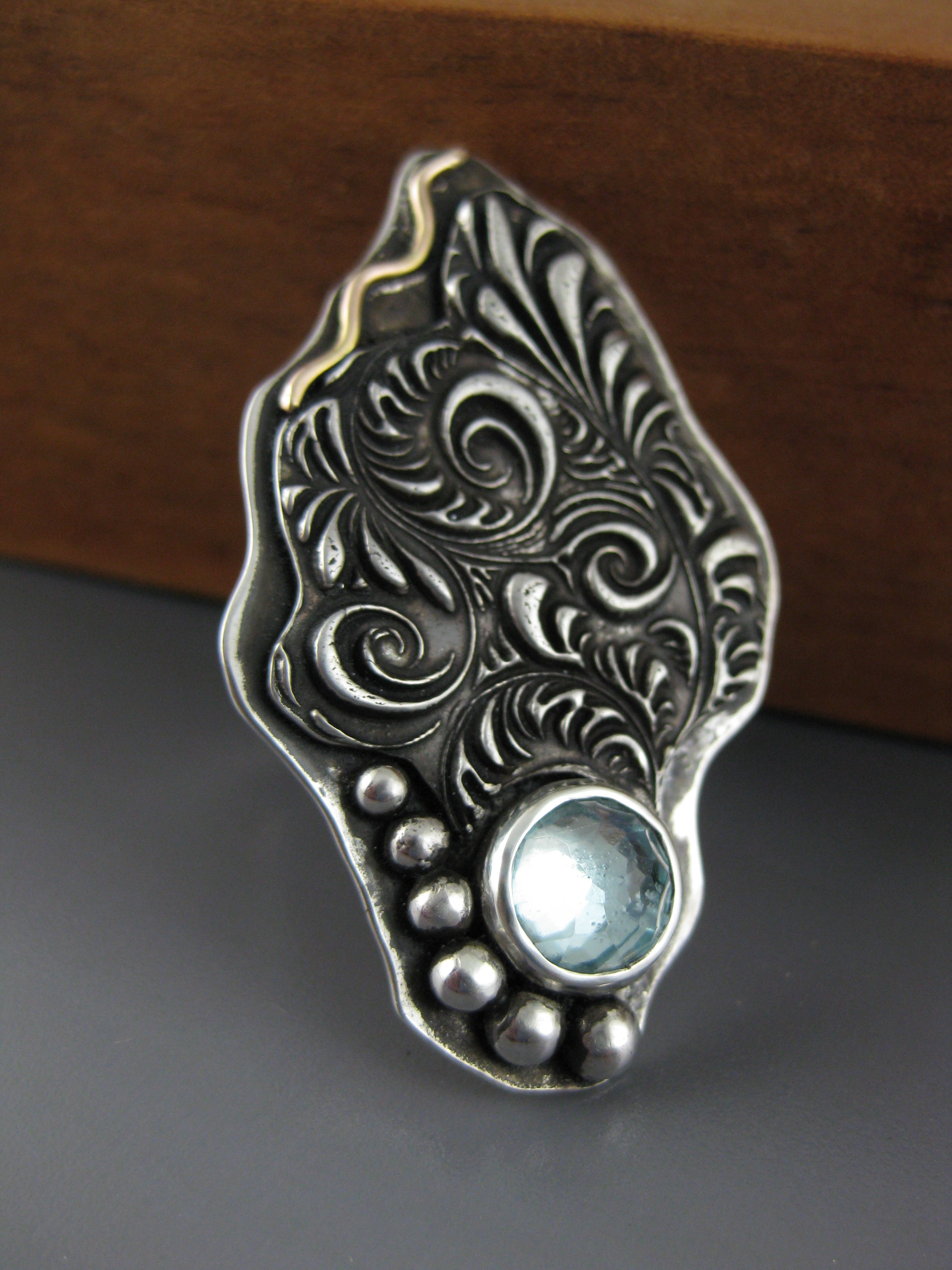
Stacy Low from Form and Funktion creates pieces of jewellery that are contemporary treasures; a unique blend of contemporary clean lines with ornate detail. She describes her creative process at its best as a state of ‘flow’ where she is ‘a vehicle for something that is pouring through me and bringing art to life.’ This sense where she, the creator, instead of imposing something on metal and gem, steps back and allows them to speak to her, engenders a sense of connection to the entire world. She herself states that her design philosophy embraces the idea that life is enriched by detail, and by the way that people notice the details in even everyday things. In this way, she strives for pieces with several layers of detail, ‘treats for the eyes’, so that every time you look you notice something different. This can be seen in this beautifully tactile silver and topaz ring (right) with its layering of textures, combination of polished and oxidised surfaces and judicious choice of stone. Both this and the silver and aquamarine ring (above) fascinate with their clean lines and ornate detail and cause the observer to look twice; are they heirlooms, or pieces that are utterly now? The truth is, a bit of both. You can find more about Stacy’s work as well as information about where to buy at her website, www.formandfunktion.com.


Photographing Blue Hues and Other Impossible Tasks….

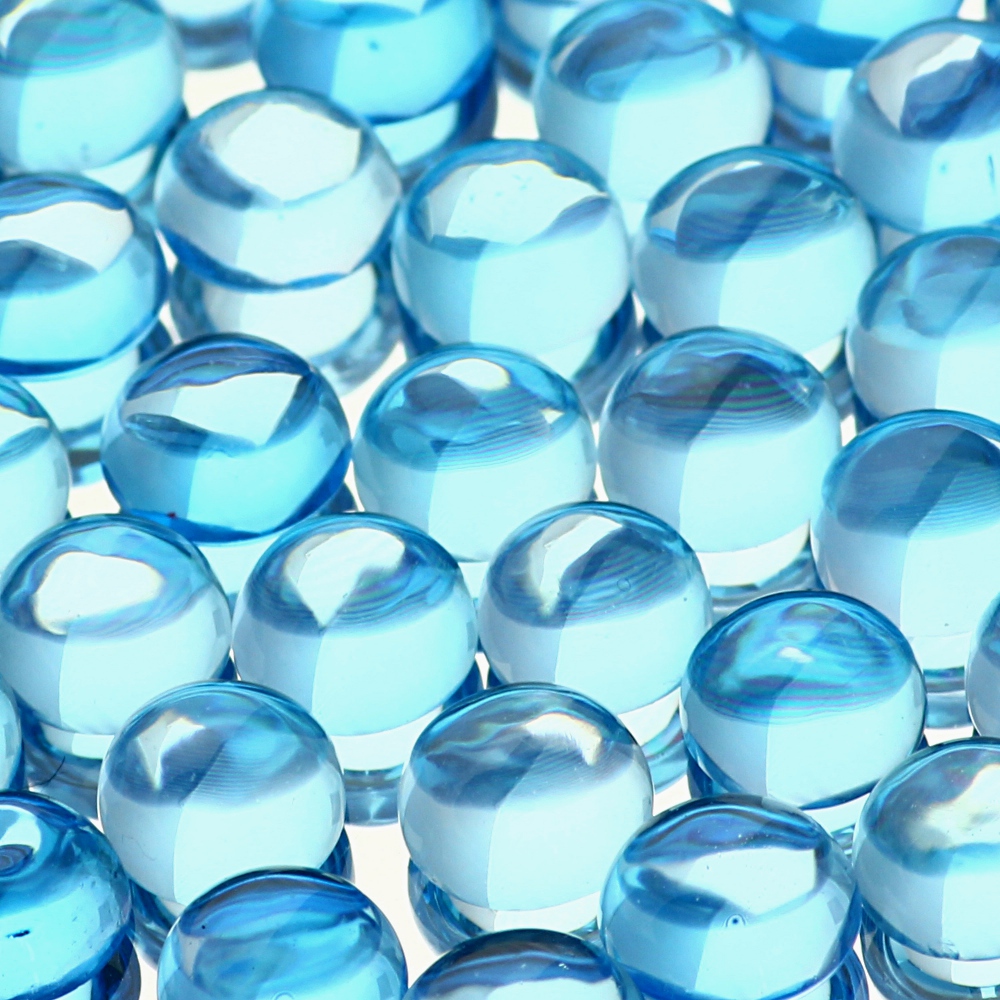
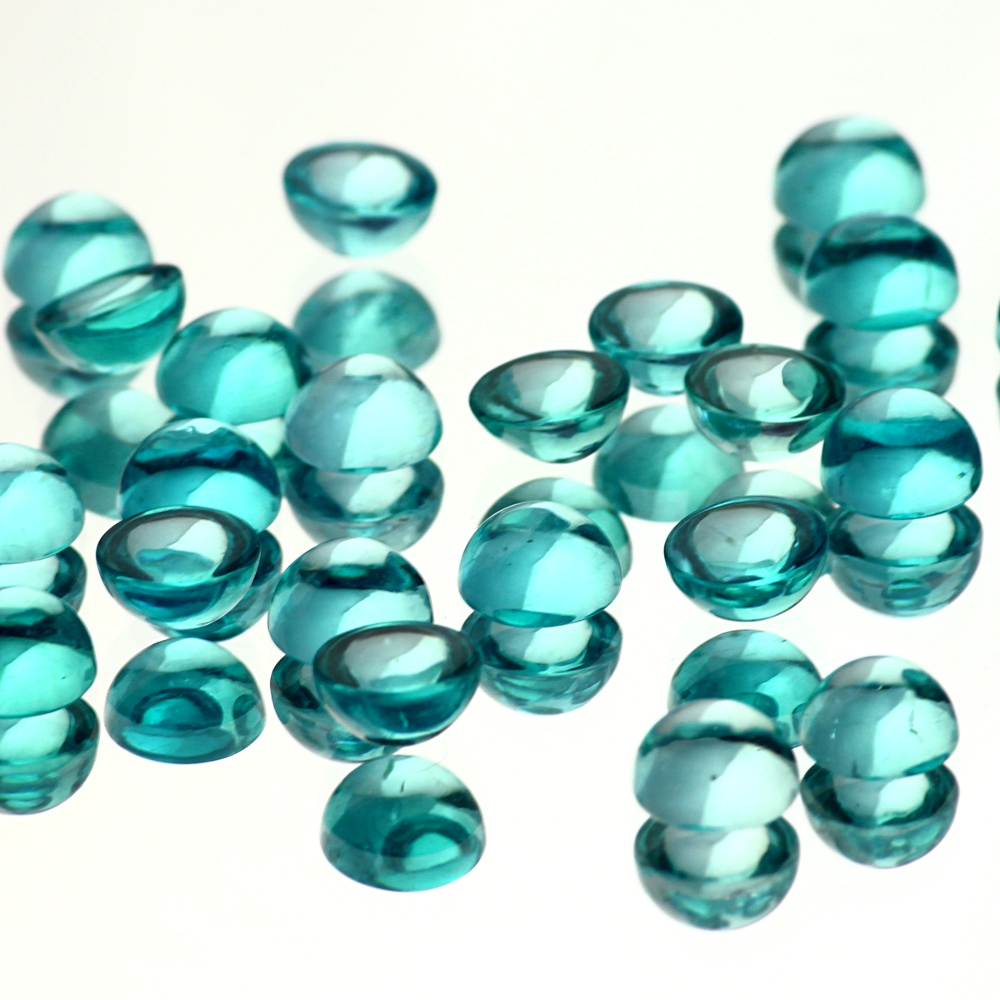
This looks like something Winnie the Pooh might write, in which case there should be a little song, but I won’t attempt that…! I have such difficulties photographing pale stones; the hardest being pale blues and aquas. Stones which are a intense, bright hue in real life, such as Swiss Blue Topaz and Apatite, turn out pale and washed-out looking. Pale stones such as sky blue topaz and aquamarine are even harder. One of my customers tells me that it is due to to the wave length of the colour blue and it is notoriously hard to shoot in print media. This sort of thing is common, pictured left are Swiss Blue Topaz 4mm cabochons. It isn’t horrible, but Swiss Blue Topaz is a very vibrant stone and this makes it appear soft and pale. In addition, the background is a murky greyish colour and there are bright white reflective patches on the stones. If I twiddle with the levels I can get the background whiter but then the reflective patches get very extremely white and the colours begin to look very unreal. I have recently developed a new technique – can anyone see what I’ve done here? These are Swiss Blue Topaz, 6mm cabochons (right), and Apatite 6mm cabochons (left), and here you can see that the colours have remained deep and intense. I’m much happier with these, as there are none of the white patches and the colour is much more true to life. My only problem is that the image is now quite stylised, and sometimes I suspect almost cartoonish. What do you think? I would love to hear from anyone who has the same problem and who has found a solution. If you share yours, I’ll share mine!

I’ve been tryi…

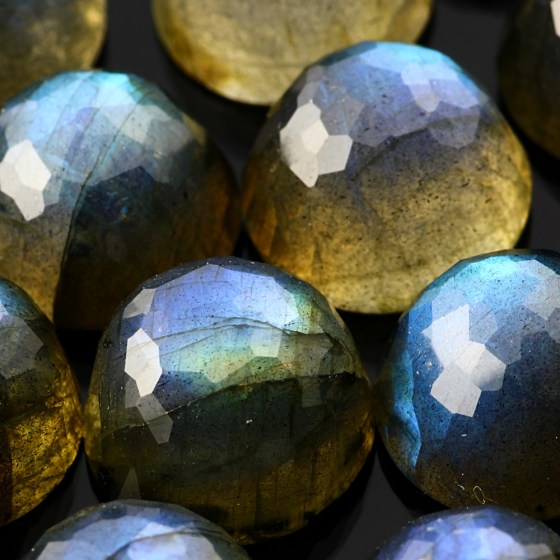
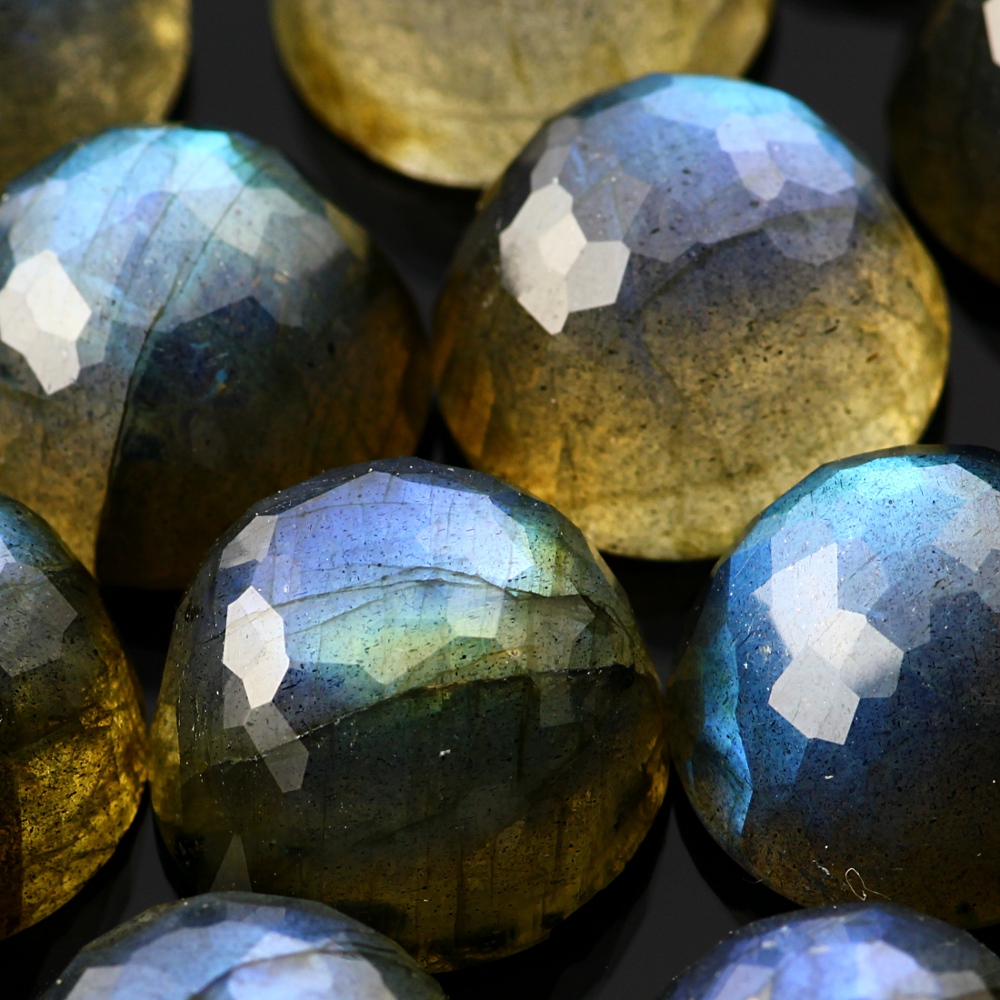
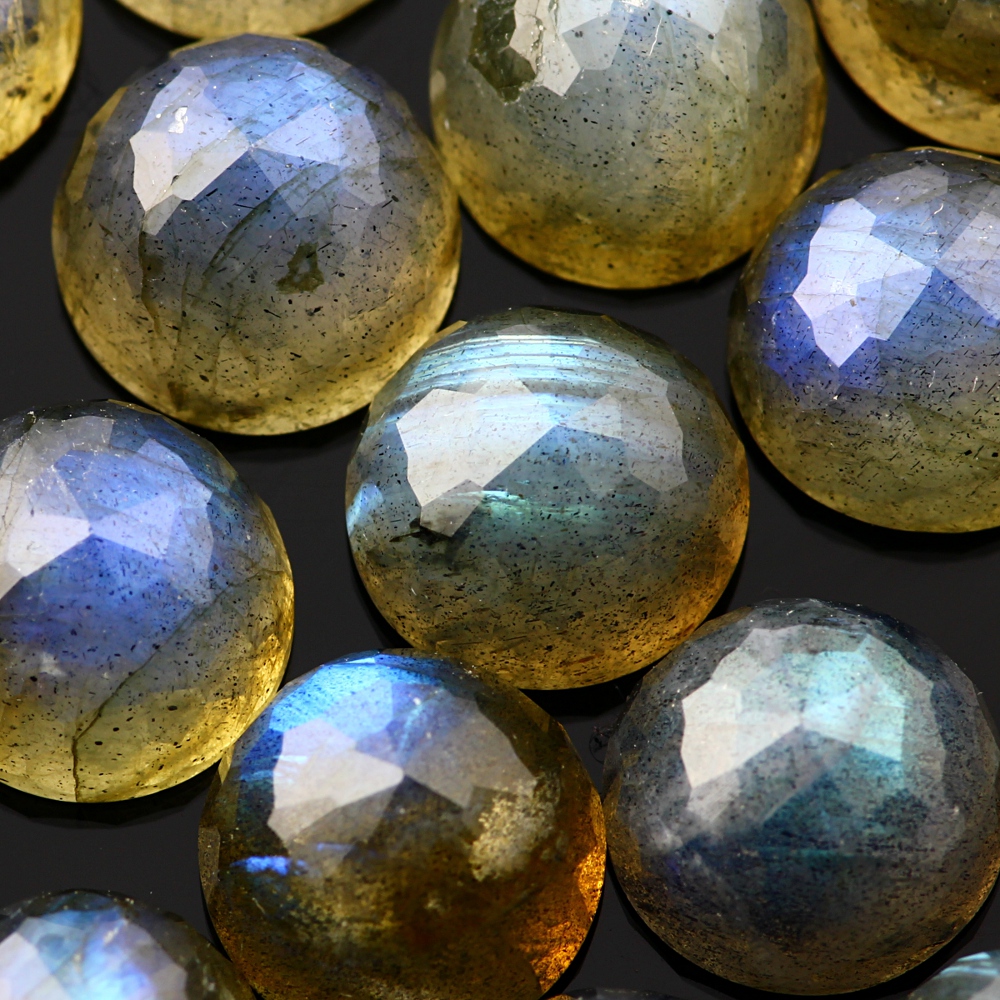
I’ve been trying for ages to work out the best kind of faceting for stones with a schiller; ie labradorite, moonstone etc. The issue for me is to find the faceting that works with, rather than against, the schiller, or at least does not fight with the schiller for attention. First of all I tried checkerboard faceting, and that was not bad; the problem being that it is a kind of faceting that is less popular somehow. Something to do with the regularity, or perhaps the fact that when you are setting it you have to get the facets lined up exactly right or the piece looks off-centre. Rose cutting was popular, but I always felt that it didn’t work quite as well; the cutting seemed to force the light in a certain direction that wasn’t always the best in terms of the schiller. So here is my latest offering;  honeycomb faceting.  The irregular facets glitter like mirrors when they catch the light, and they also allow the light to travel across the stone and pick up the schiller uninterrupted. The style of faceting also complements the organic look of the stone, so in short I think it works really well. I hope you agree; I have just listed 12mm, 8mm and 5mm labradorite with honeycomb faceting, and if it goes well, I will extend the faceting across the range. All three available in my shop – www.joopygems.com – and priced respectively $16.50, $5 and $1.50 USD

You’ve been Tangoed!

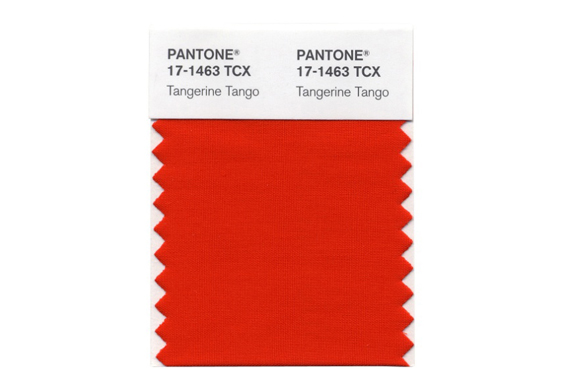
Is it only Brits who know what that means?! If so, and you aren’t one, I’m sure you can find it on Youtube,  but you’ll probably be none the wiser!  You might guess that I’ve been looking at Pantone’s colour report for this season. When I was making beads I always used to get stuck trying out new and innovative ideas, tending to return to tried and trusted, combinations, or rather, those that I loved, which in my case tended towards the blue, purple, teal, aqua end of the spectrum. So when I saw that Pantone had picked out Tangerine Tango (17-1463) as their colour of the year, I was interested, because this is a colour that would normally scare the life out of me. What does orange say after all? 1970s wall colours; Southwestern style jewellery; Irn Bru; celebrities who’ve had a run-in with the fake tan, and yes, that ‘you’ve been Tangoed’ man from that ridiculous advert.

And then I thought, actually this shade of orange is closest to Hessonite Garnet, of which I sell rather a lot; a deep, burnt orange as opposed to a really bright in-your-face orange like, say, Carnelian. Pantone themselves describe it as “a bit exotic, but in a very friendly, non-threatening way”, which got me to thinking about what might go with it.

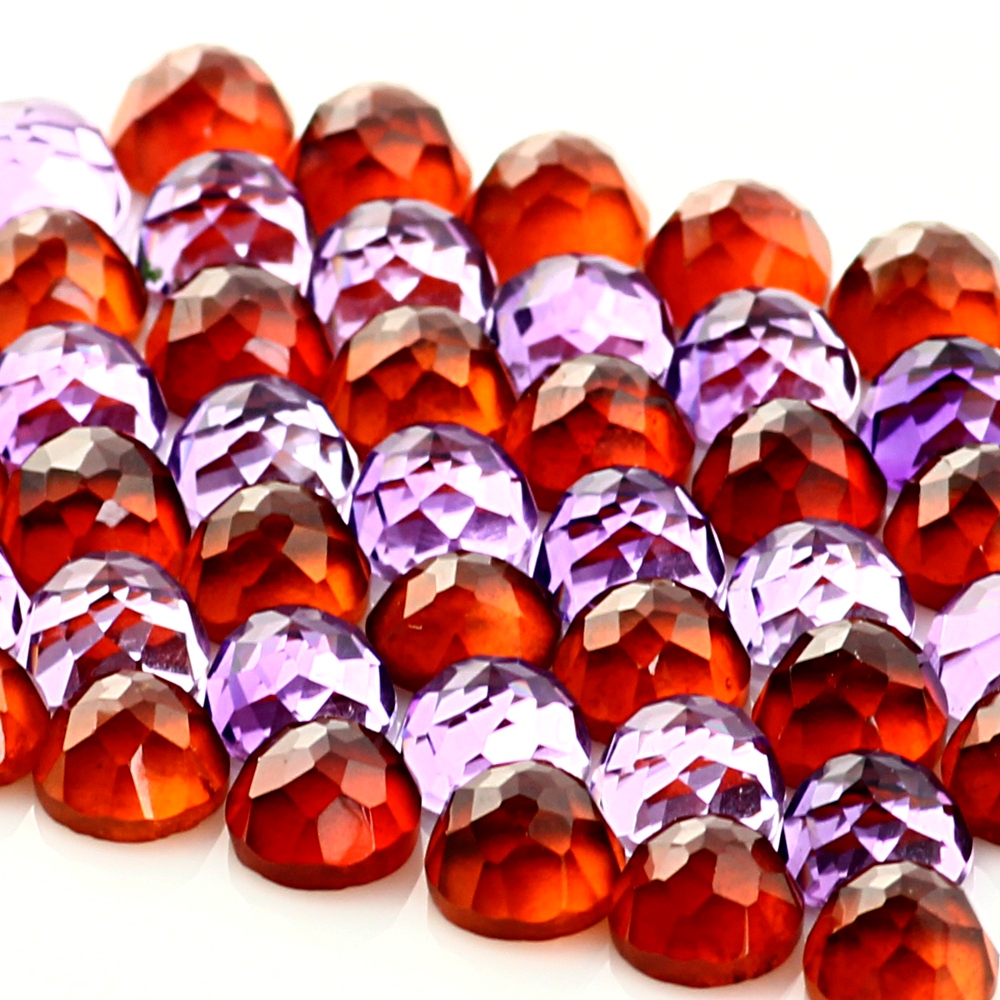
Purple and orange is an obvious one, I guess, like a sunset; the colours a bold pairing that would work year round – intense and Mediterranean in the summer, and cosy and rich in the winter. I don’t know if I’d be brave enough to wear it in an outfit, but jewellery, yes definitely. Above is hessonite garnet 6mm rose cut round and Brazilian amethyst 6mm rose cut round.

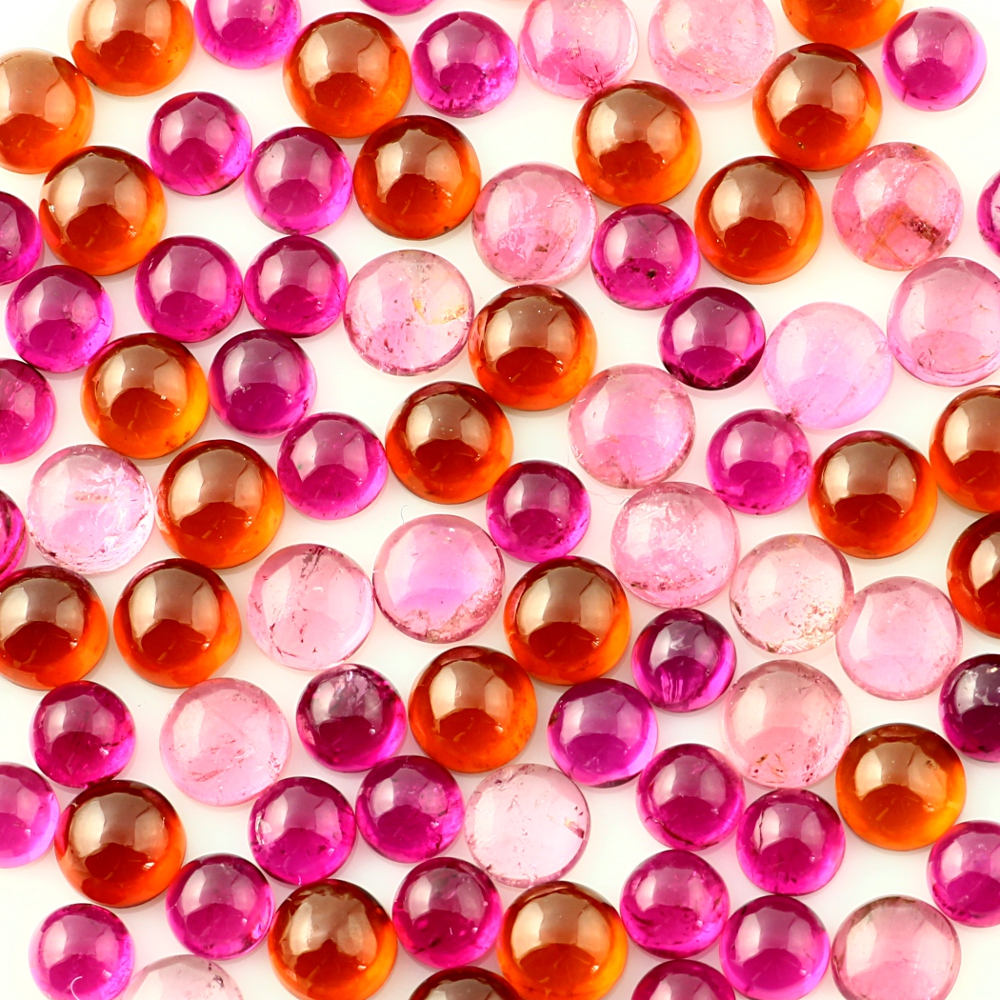
I then thought to myself; what colour would I never, ever put with orange? Got to be pink, but but I love this combination (right);  it’s just fab! Here we have hessonite garnet 6mm round with rubellite tourmaline 5mm round and pale pink tourmaline 6mm round. It’s not like pink with bright orange, which would be a bit much; here the bright pink of the rubellite contrasts really well with the burnt orange and the whole thing is tempered beautifully by the pale pink tourmaline. This is punchy and unusual without being brash.

Finally, this shade of burnt orange is just the kind of colour that will work really well with neutrals. I tried it with some pearls; left we have hessonite garnet 4mm rose cut round cabochons with white freshwater pearls, 4-5mm half drilled buttons. Warm, subtle and sophisticated, this is an elegant combination that will look great with summer neutrals; ivory, cream and beige linens and so on. Again I can see it working across seasons, adding a warmth and glow in the colder months. I love the combination of textures and the way the light plays off them; the lustre of the pearls and the sharp, faceted edges of the hessonite.

All of the above stones are available from my shop: www.joopygems.com.